Relax and Reimagine: Beaches Where Underwater Cl...
Imagine pristine, relaxing beaches where the beauty isn’t just natural, but also born from a commitment to environmental restoration. A growing movement is transforming recovered ocean waste into breathtaking works of art, offering a powerful visual reminder of the impact of pollution and the potential for creative solutions. These destinations offer a unique travel experience, blending relaxation with environmental awareness, where art inspires us to protect our planet's precious marine ecosystems. Get ready to discover beaches where trash transforms into treasure, and where your vacation can contribute to a cleaner, more beautiful world.
Raja Ampat, Indonesia: Coral Reef Revival through Art
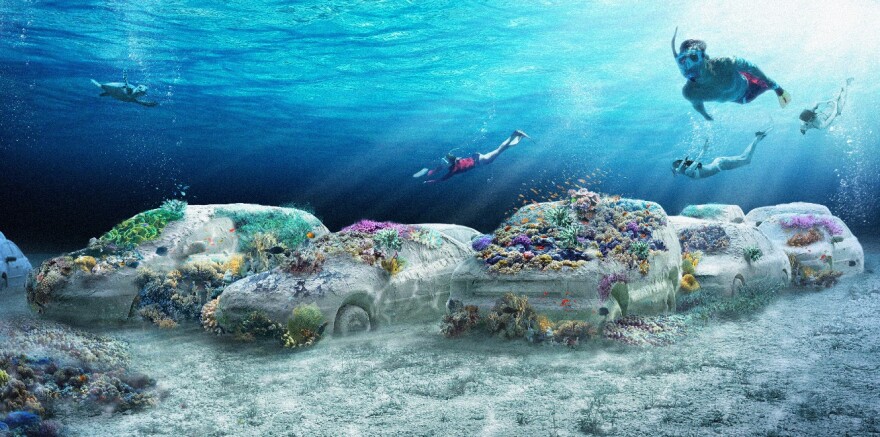
Raja Ampat, a diver's paradise in Indonesia, is renowned for its vibrant coral reefs and unparalleled marine biodiversity. However, even this remote archipelago faces the threat of ghost nets and plastic debris. Organizations like Ghost Diving specialize in removing these hazards, working tirelessly to protect the delicate coral ecosystems. But the story doesn’t end with cleanup. The recovered materials are then given a second life, transformed by talented local artists into stunning sculptures and installations that depict the very marine life they are working to protect.
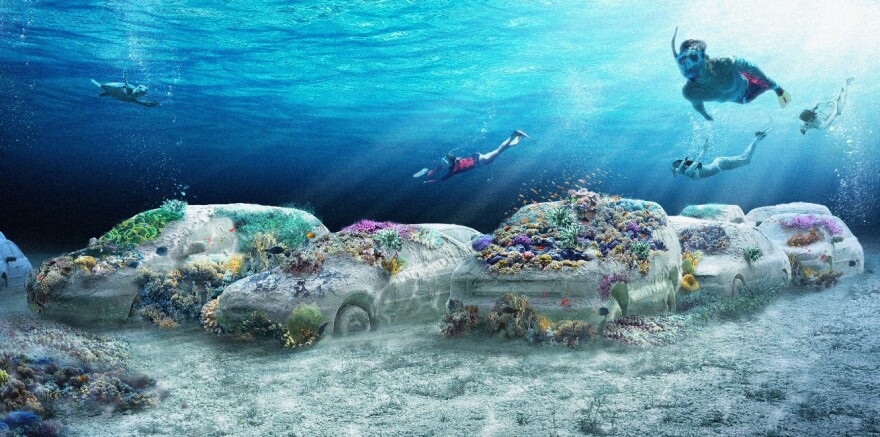
The art serves as a powerful reminder of the beauty at stake and the importance of conservation efforts. Local artists like Pak Herman, for example, uses discarded plastic bottles and fishing nets to create life-sized sculptures of manta rays and sharks, raising awareness about the threats these magnificent creatures face.
Eco-Tourism and Underwater Art
Raja Ampat offers a unique opportunity to combine relaxation with eco-tourism. Visitors can participate in guided dives to witness the coral reefs firsthand, and even observe the captivating underwater art installations. Supporting local businesses and organizations committed to reef restoration directly contributes to the local economy and environmental awareness, creating a positive impact on the region. Choose eco-resorts, participate in responsible diving practices, and consider a donation to local conservation initiatives.
Call to Action: Support local businesses and organizations committed to reef restoration and responsible tourism in Raja Ampat.
Kamilo Beach, Hawaii ("Trash Beach"): Plastic into Powerful Statements
Kamilo Beach, also known as "Trash Beach," on the Big Island of Hawaii, presents a stark contrast to the idyllic image of a tropical paradise. This remote beach acts as a natural collector of plastic debris, carried by ocean currents from across the Pacific. The sheer volume of plastic washing ashore is a sobering reminder of the global impact of plastic pollution. Organizations like Washed Ashore are turning this environmental tragedy into powerful art.
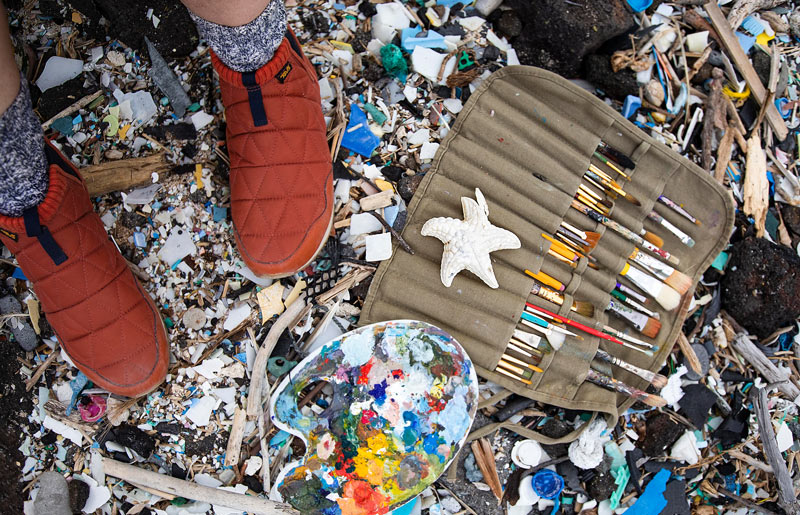
Washed Ashore collects plastic from Kamilo Beach and other coastal areas, transforming it into monumental sculptures depicting the impact of plastic pollution on marine life. These large-scale artworks, often displayed in public spaces, serve as a visual wake-up call, forcing viewers to confront the harsh reality of plastic waste and its devastating consequences.
Mindful Beachcombing and Plastic Awareness
While visiting Kamilo Beach might not be the typical relaxing beach experience, it offers an opportunity for mindful beachcombing and participation in organized cleanups. Turning a negative situation into a positive and empowering experience, this provides visitors the chance to directly contribute to the solution and gain a deeper understanding of the scale of the problem. Furthermore, by visiting locations with plastic art installations, you also learn how the plastic pollution affects sea life.
Call to Action: Reduce your plastic consumption, support initiatives promoting recycling and waste reduction, and participate in beach cleanups.
The Dead Sea, Israel/Jordan: Art Amidst a Shrinking Wonder
The Dead Sea, bordering Israel and Jordan, is a unique and dramatic landscape, renowned for its hypersaline waters and therapeutic properties. However, this natural wonder is facing a critical environmental challenge: shrinking water levels. The receding shoreline is exposing unique mineral formations and impacting the delicate ecosystem. Artists are responding to this crisis by creating art installations that highlight the disappearing water and the resulting environmental consequences.
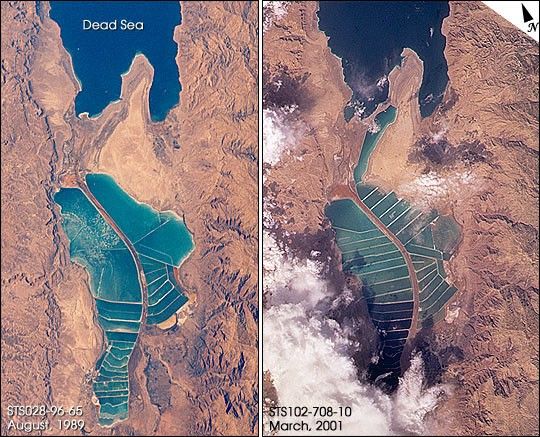
Agnes Denes, known for her philosophical approach to art and environmentalism, inspires a generation of artists to create meaningful land art. Artists inspired by Saype’s land art intervention styles, also leverage the exposed salt and mud to create temporary artworks that visualize the disappearing water. One project involves augmented reality overlays superimposed on images of the Dead Sea, showing historical water levels from the 1960s and projected water levels in the future. The augmented reality experience uses image recognition to track the location of the user and overlay historical data, offering a visually striking representation of the environmental change. This is done by capturing 3D scans with LiDAR and GPS information, allowing users to see the difference in shorelines in 3D.
Wellness and Environmental Awareness
The Dead Sea remains a unique wellness destination, emphasizing the therapeutic benefits of its mineral-rich water and mud. As you float effortlessly on its surface, take a moment to appreciate the fragile beauty of the landscape and reflect on the importance of conservation efforts. Support initiatives that promote sustainable water management in the region and learn more about the challenges facing this natural wonder.
Call to Action: Support initiatives promoting sustainable water management in the region and raise awareness about the Dead Sea's environmental challenges.
Viral Video Ideas:
Kamilo Beach (Hawaii) - 360 VR Ocean Plastic Sculpture Immersive Experience:
HOOK: Rapidly spinning shot reveals the inside of a massive sculpture made ENTIRELY of multicolored ocean plastic, overwhelming the viewer.
SCENE: Hyper-realistic VR footage captured with high-resolution 360 camera. Slow, deliberate orbit around the sculpture's interior, emphasizing the scale of the plastic debris and the artistic details. Dramatic lighting casts long shadows, highlighting the texture and color variations.
TWIST: The camera "breaks through" a wall of plastic, suddenly revealing the vast expanse of Kamilo Beach covered in similar debris, creating a jarring contrast between art and reality.
Raja Ampat (Indonesia) - Coral Restoration Hyperlapse:
HOOK: Start with a time-lapse of a bleached coral reef.
SCENE: Underwater, use professional cameras to showcase the time lapse. The bleached reef slowly transforms into a vibrant, colorful ecosystem as coral restoration teams actively cleanup debris and plant new coral. Focus on close-ups of the cleanup teams collecting ghost nets and plastic with the new coral growth.
TWIST: Abruptly, the focus shifts to a local artist crafting beautiful sculptures out of the retrieved trash.
Dead Sea (Israel/Jordan) - Sandstorm Art Reveal:
HOOK: A violent sandstorm whips across the Dead Sea landscape.
SCENE: Focus on a large-scale land art piece (created by Saype style land artist) slowly being revealed by the wind. The art piece visualizes the historical water line of the Dead Sea in the 1960s. The art is slowly erased by wind and salt deposits.
TWIST: The camera then zooms out to reveal how far the actual water is now.
Conclusion: Art, Relaxation, and Environmental Responsibility
The beaches highlighted in this article showcase the power of art to transform polluted environments into inspiring spaces for relaxation and reflection. By seeking out these destinations and supporting the artists and organizations working to protect our planet, we can all contribute to a more sustainable and beautiful future. Choose responsible travel, engage with local communities, and let the beauty of these transformed landscapes inspire you to make a difference.