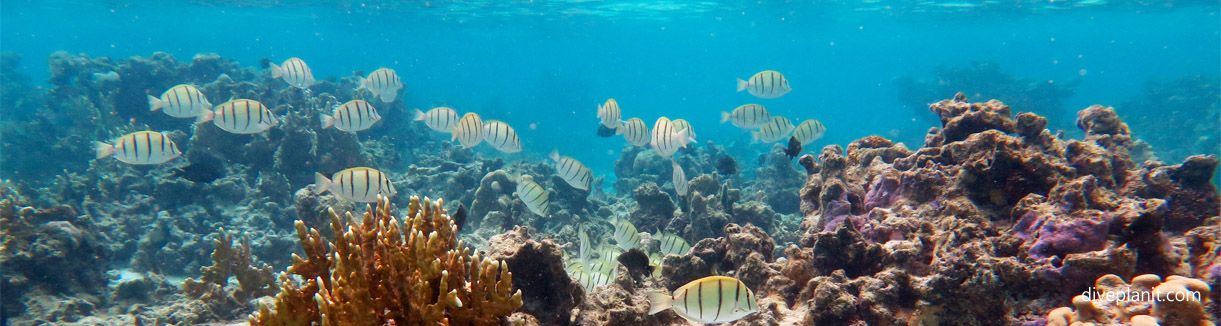
Reefs, Rukau, and Retirement: Discovering Sustai...
Having recently hung up my lab coat after decades spent studying marine ecosystems, I decided to embark on a journey that would allow me to witness firsthand the real-world application of the conservation principles I’d dedicated my life to. The Cook Islands, with their reputation for embracing sustainable tourism, beckoned. My two-week eco-tourism trip to Rarotonga and Aitutaki proved to be an experience that rejuvenated the soul and reaffirmed my belief in the power of responsible travel.
The approach to Rarotonga alone was breathtaking. As the plane descended, the emerald peaks of the island rose majestically from the turquoise lagoon, bathed in the golden light of the late afternoon sun. It was a stunning vista – a rugged, volcanic interior hinting at dense rainforests teeming with endemic species, all encircled by that mesmerizing turquoise embrace. I knew immediately that this was going to be special.
Eco-Friendly Living at Eco-Beach Resort
My base in Rarotonga was the aptly named "Eco-Beach Resort." From the moment I arrived, I was impressed by their commitment to sustainability. The resort boasts a comprehensive rainwater harvesting system, crucial for conserving the island's freshwater resources. A large solar panel array, powering an impressive 80% of the resort's energy needs, silently hummed its contribution to a cleaner future. Their composting program diligently transforms organic waste into valuable fertilizer for their gardens.
It's no surprise that Eco-Beach Resort is Eco-Certified by the Cook Islands Tourism Corporation. My open-air bungalow, constructed primarily from locally sourced bamboo, was both charming and eco-conscious. Falling asleep to the gentle sounds of the waves lapping against the shore was pure bliss, a far cry from the city's relentless hum.
Snorkeling in Muri Lagoon: A Coral Conservation Story
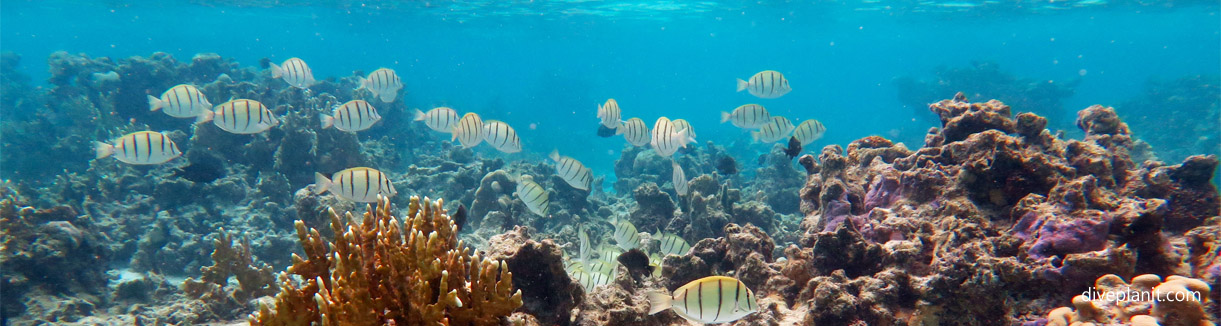
One of the highlights of my time in Rarotonga was a guided snorkeling tour in the lagoon off Muri Beach. This wasn't just a recreational activity; it was an opportunity to witness firsthand the ongoing coral reef conservation efforts, particularly the protection of Acropora coral species, which are vital for the lagoon's ecosystem.
The water was crystal clear, allowing for incredible visibility of the vibrant coral formations. Parrotfish, butterflyfish, and giant clams added splashes of color to the underwater landscape. What impressed me most was the emphasis placed on responsible snorkeling practices. Our local guides meticulously educated us on how to avoid damaging the fragile coral. They stressed the importance of not touching the coral, avoiding kicking up sediment, and using reef-safe sunscreen. It was heartening to see such a strong emphasis on protecting this precious environment.
Aitutaki's Sustainable Farm: A Taste of Tradition
A short flight took me to Aitutaki, renowned for its stunning lagoon. Beyond the lagoon’s allure, I was eager to explore the island’s sustainable agriculture. My visit to a local sustainable farm proved to be an enlightening experience.
Under the warm midday sun, I wandered through rows of vibrant green taro leaves – destined for the local delicacy, Rukau. Juicy pineapples ripened on their stalks, and plump, ripe mangoes hung heavy from the trees. The farmer explained the traditional Polynesian farming techniques they employ, emphasizing how they minimize environmental impact. They utilize natural pest control methods, crop rotation, and composting to maintain soil health and reduce their reliance on synthetic fertilizers and pesticides. It was a powerful reminder of the harmony that can exist between agriculture and the environment.
A Culinary Journey: Rukau and Ika Mata
No trip to the Cook Islands would be complete without indulging in the local cuisine. I was particularly captivated by two dishes: Rukau and Ika Mata.
Rukau, taro leaves cooked in coconut cream, is a staple of Cook Islands cuisine. The creamy texture and subtle earthy flavor were a delightful combination. It’s a comforting and nourishing dish that truly embodies the island's connection to the land.
Ika Mata, raw fish marinated in coconut cream and lime, was another culinary highlight. The freshness of the fish was undeniable, and the zesty citrus flavor was incredibly refreshing. I was assured that the seafood was sourced from local fishermen practicing responsible fishing methods, particularly line fishing, minimizing the impact on the reef ecosystem. Supporting these local fishermen felt like a small but meaningful contribution to the island's sustainability efforts.
Atiu Bird Sanctuary: A Symphony of Nature
My journey continued to Atiu, known as "Enuamanu" (land of the birds). A visit to the Atiu Bird Sanctuary was an absolute must for any nature enthusiast. Stepping into the dense, humid rainforest felt like entering another world. The calls of the Kopeka birds, unique to Atiu, echoed through the trees, creating a mesmerizing symphony of nature.
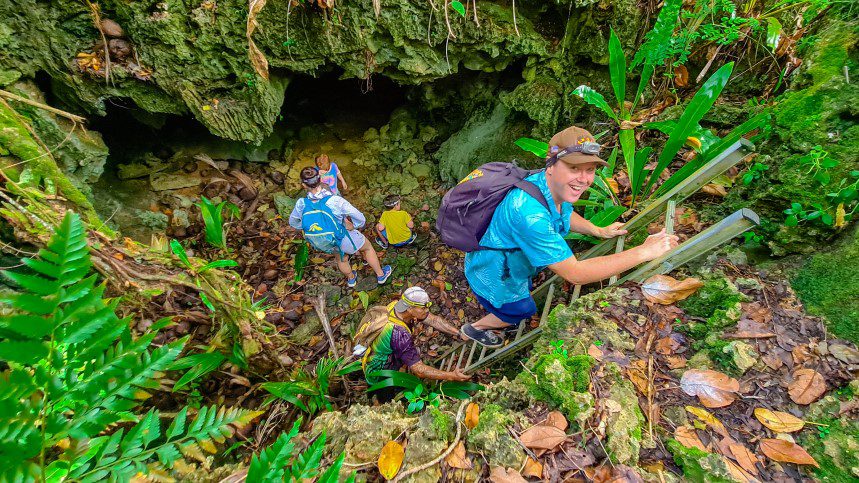
Our guide passionately explained the sanctuary's history and its importance in protecting these endangered species. The conservation efforts being undertaken are truly commendable, and it was inspiring to witness the dedication of the local community to preserving Atiu's unique avian biodiversity.
Supporting Local Artisans: The Tivaevae Collective
Before departing, I made sure to purchase some locally made handicrafts as souvenirs. I highly recommend visiting the "Tivaevae Collective" on Rarotonga. Here, you can find exquisitely hand-stitched quilts, known as Tivaevae, created using traditional techniques and sustainable materials.
The intricate designs and vibrant colors of the Tivaevae reflect the islands' natural beauty. Purchasing a Tivaevae is not just buying a souvenir; it's supporting local artisans and preserving a traditional art form. It’s a tangible reminder of the beauty and culture of the Cook Islands, and a much better alternative to mass-produced trinkets.
A Call to Sustainable Action
My two weeks in the Cook Islands were an enriching experience that reaffirmed my commitment to sustainable living. I urge anyone considering a visit to this unique paradise to embrace sustainable tourism practices. Support local businesses, respect the environment, and contribute to the preservation of this precious ecosystem. Every small action, from choosing eco-friendly accommodations to supporting local artisans, can make a difference.
As the sun dipped below the horizon on my final evening, painting the sky in soft orange, pink, and purple hues that reflected on the still waters of the lagoon, I knew I was leaving a piece of my heart in the Cook Islands. It's a place where natural beauty and cultural heritage are cherished, and where sustainable tourism is not just a buzzword, but a way of life.