Rediscovering Paradise: A Photographer's Journey...
After years spent chasing sunsets across continents, a familiar pull tugged at my heart. It was time to return home. Landing back in Rarotonga, the island where my roots run deep, was an experience that overwhelmed the senses. The tropical air hit me first, thick with a humidity that clung to the skin like a warm embrace. The intoxicating scent of frangipani blossoms sweetened every breath, a fragrance I instantly recognized and cherished. And then, the sound. The distant, primal sound of Polynesian drums resonated in my chest, a rhythm that pulled me back, grounding me, reminding me who I am: Kai Āroha, daughter of this land, a Maori-Cook Islander, and a photographer ready to rediscover paradise.
Te Maeva Nui: A Symphony of Rhythm and Color
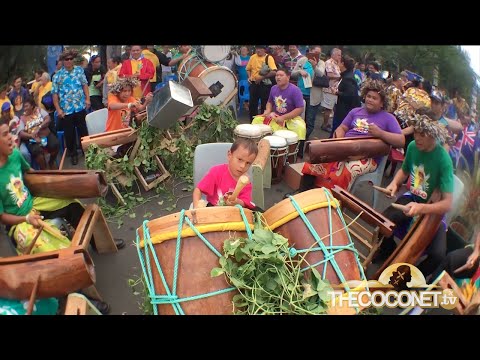
My homecoming coincided with Te Maeva Nui, the Cook Islands' most significant cultural festival, and I couldn't have asked for a more vibrant welcome. The energy was palpable, a collective heartbeat thrumming through the crowd. The drumming competition was, without a doubt, the highlight.
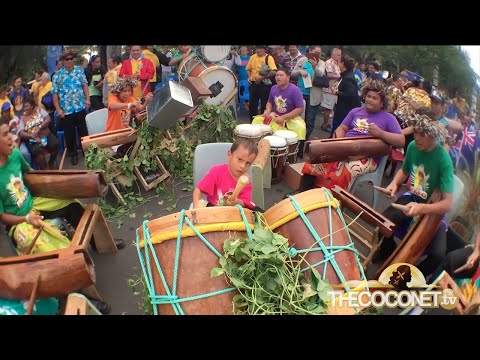
The rhythmic intensity was unlike anything I'd ever experienced. The deep, resonating thuds of the drums vibrated through the earth and up into my very bones. The drummers' hands were a blur, striking the skins with lightning-fast precision. Above it all, the call-and-response chants of the crowd fueled the performers, creating a powerful connection between the stage and the audience.
But it wasn't just the sound; it was the spectacle. The costumes were a feast for the eyes – intricate feather headdresses that seemed to dance with every movement, woven skirts adorned with shimmering shells, and bold geometric patterns painted on the performers' skin, each telling a story of ancestry and heritage. The different dance styles added another layer of richness to the experience. The graceful swaying of the hula, the energetic thrusts of the haka, and the hypnotic twirling of the fire dancers – each performance was a testament to the enduring spirit of Cook Islands culture.
- Photography Tip: To capture the energy of the drumming, I focused on a motion blur shot during a particularly intense segment. Using a shutter speed of 1/30th of a second and an aperture of f/2.8 allowed me to achieve a shallow depth of field, emphasizing the drummers' movement. Positioning myself low to the ground further amplified the power of their performance. The ambient light during dusk added a dramatic touch.
Sunrise at Black Rock (Aronga): A Painter's Palette in the Sky
Waking before dawn is never easy, but the promise of a sunrise at Black Rock, or Aronga, made it worthwhile. This sacred site, steeped in legend and history, offers a front-row seat to one of nature's most breathtaking displays.
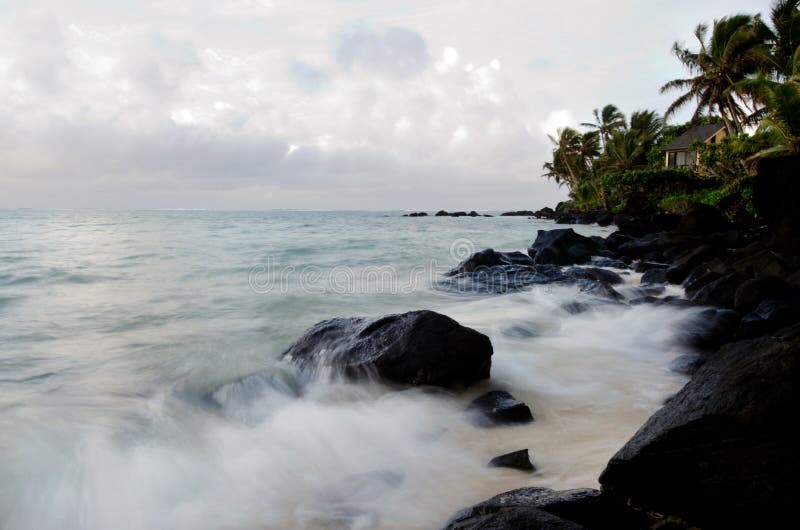
As the first light touched the horizon, the sky exploded with fiery oranges and reds, painting the clouds with hues I never knew existed. Slowly, these bold colors softened, fading into delicate pinks and purples as the sun climbed higher. The calm waters of the lagoon mirrored the spectacle above, creating a breathtaking landscape of reflected light and color. The soft morning mist swirling around the rocks added an ethereal touch, transforming the scene into something truly magical. It was a moment of profound peace and beauty, a reminder of the simple joys of island life.
- Photography Tip: I captured the full spectrum of colors in a panoramic shot using a wide-angle lens (16-35mm) and a low ISO (100) to minimize noise. A graduated neutral density filter helped balance the exposure between the bright sky and the darker foreground. Setting the white balance to "cloudy" enhanced the warmth of the colors.
Aitutaki Lagoon Cruise: A Birdwatcher's Paradise
A trip to the Cook Islands wouldn't be complete without experiencing the unparalleled beauty of Aitutaki Lagoon. I joined a lagoon cruise, eager to explore its crystal-clear waters and hidden motu. What I didn't expect was the incredible opportunity for bird photography.
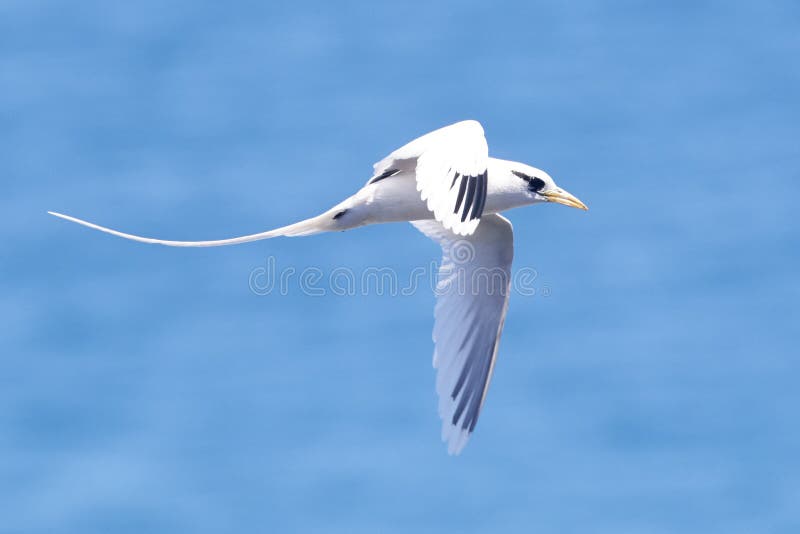
The lagoon is a haven for a variety of native bird species. Red-tailed tropicbirds soared overhead, their elegant white plumage a striking contrast against the bright blue sky. Their long, crimson tail feathers trailed behind them like ribbons, adding a touch of grace to their powerful flight. White terns and brown boobies also dotted the sky, their calls echoing across the water.
Our cruise took us to One Foot Island (Tapuaetai), a tiny paradise that consistently ranks among the world's most beautiful islands. Its pristine white sand beach was fringed by swaying coconut palms and surrounded by turquoise water so clear it felt like swimming in liquid diamonds. It was truly a slice of heaven.
- Photography Tip: To capture the red-tailed tropicbirds in flight, I used a telephoto lens (at least 300mm) to maintain a respectful distance. Continuous autofocus and a fast shutter speed (1/1000th of a second) were essential for freezing the bird's motion. Shooting in bright, natural light with an aperture around f/5.6 provided good sharpness.
Pareu Dying Workshop: A Canvas of Culture
Beyond the stunning landscapes, the heart of the Cook Islands lies in its vibrant culture. I participated in a traditional pareu dying workshop, eager to learn the art of creating these iconic pieces of fabric. The process was fascinating, using natural dyes derived from plants and flowers. The aroma of the dyes – a blend of earthy and floral notes – filled the air. We learned to create unique patterns and designs, each with its own symbolic meaning.
The pareu is more than just a piece of clothing; it's a symbol of Cook Islands identity, tradition, and artistry. It was an incredibly rewarding experience to create my own unique piece of art, connecting with the culture on a deeper level. The hands-on approach made it more memorable and added a personal touch to the pareu I crafted.
- Photography Tip: For a close-up shot of the pareu dying process, I used a macro lens (100mm) to capture the intricate details of the dye seeping into the fabric. A softbox provided even lighting and minimized shadows. Choosing a low aperture, around f/2.8, isolated the detail and created a beautiful bokeh effect.
Traditional Umu Feast: A Taste of Paradise
No trip home is complete without indulging in a traditional umu feast. In Aitutaki, I had the opportunity to witness the preparation and savor the flavors of this culinary tradition. The process begins with digging an earth oven and layering it with hot stones. The food, wrapped in banana leaves, is then placed on the stones and slowly cooked underground.
The smoky aroma that permeated the air as the food cooked was intoxicating. The flavors were equally unforgettable. The tangy lime juice in the Ika Mata balanced the richness of the coconut cream perfectly. The Rukau, with its earthy flavor of taro leaves, was complemented by the creamy coconut milk. And the Poke, a sweet and satisfying blend of mashed banana and coconut cream, was the perfect ending to the meal.
- Photography Tip: I captured a visually appealing close-up of the food in the Umu, using natural light to highlight the textures and colors. Arranging the food artfully on a woven platter added to the presentation. A shallow depth of field drew attention to specific ingredients, with the remaining food out of focus in the background.
The Landscape: A Tapestry of Contrasts
The Cook Islands boasts a diverse landscape. Rarotonga, with its volcanic peaks and lush valleys shrouded in mist, is a world apart from the turquoise lagoons and motu of Aitutaki, sparkling under the tropical sun. Everywhere you look, vibrant hibiscus flowers bloom, their petals like velvet, and towering coconut palms sway gently in the breeze. It's a photographer's dream.
Supporting Local: Ariki Adventures and Punarei Cultural Village
During my journey, I was impressed by the dedication of local businesses to preserving Cook Islands culture and promoting sustainable tourism. Ariki Adventures in Rarotonga, a locally owned tour operator, offers eco-friendly lagoon tours and cultural experiences led by knowledgeable local guides. Their commitment to sustainability is truly commendable. I highly recommend them for an authentic and responsible travel experience.
I also visited Punarei Cultural Village in Rarotonga, a living museum showcasing traditional Cook Islands culture. The interactive demonstrations and the opportunity to learn about traditional crafts and customs provided invaluable insights into the rich heritage of the islands.
Conclusion: A Call to Rediscover
Returning home to the Cook Islands rekindled my love for this paradise. From the vibrant energy of Te Maeva Nui to the tranquil beauty of Aitutaki Lagoon, every moment was a reminder of the unique culture and natural wonders that make these islands so special. As a photographer, I was constantly inspired by the stunning landscapes and the warmth of the people. It's an experience I highly recommend to any traveler seeking an authentic and unforgettable adventure.
Ready to experience the real Cook Islands? Book your Cook Islands Cultural Immersion package on vistalocation.com today! This package includes accommodations at locally owned guesthouses, guided tours with local guides, and cultural experiences designed to immerse you in the rich traditions of the Cook Islands. Remember to be respectful of the local culture and environment, and to support locally owned businesses.