Red Rock to Frozen Falls: Epic Mountain Adventur...
Are you a young adventure traveler craving a serious challenge? Forget the crowded tourist traps and cookie-cutter itineraries. It's time to push your limits and experience the raw, untamed beauty of the mountains. At VistaLocation, we're all about uncovering unique and unforgettable experiences, and we've curated three distinct adventures that will test your skills, ignite your passion, and leave you breathless – backcountry ski touring in the Swiss Alps, ice climbing in Banff National Park, and mountain biking in Moab, Utah. Get ready to ditch the ordinary and embrace the extraordinary, all while experiencing some of the most stunning landscapes on Earth.
Shred the Swiss Alps: Your Guide to Backcountry Ski Touring the Haute Route
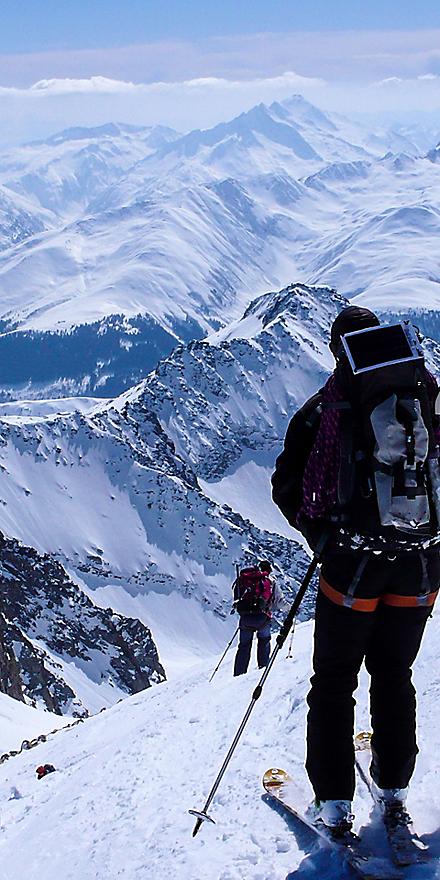
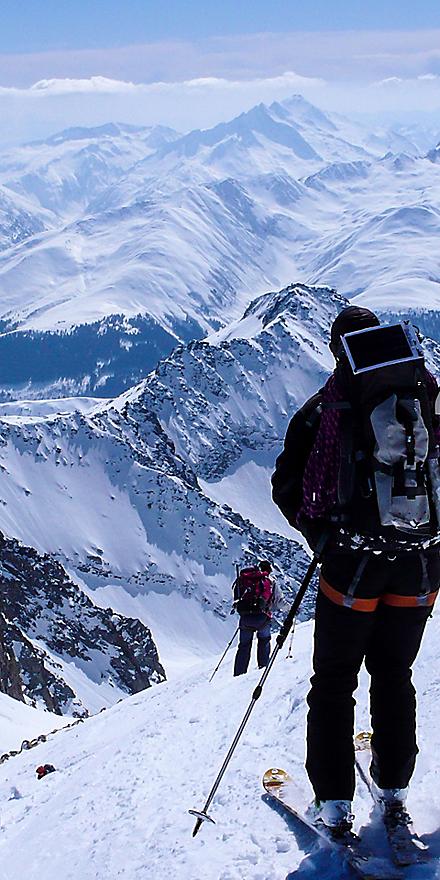
Imagine yourself immersed in a visual feast of snow-covered peaks and cozy chalets, conquering the legendary Haute Route, a classic multi-day backcountry ski tour. This isn't your average ski vacation; it's a true expedition into the heart of the Swiss Alps, where you'll earn your turns and witness unparalleled alpine beauty. Backcountry ski touring in Switzerland truly offers an amazing adventure.
Best Season to Ski the Haute Route
The ideal time to embark on the Haute Route is from mid-March to late April. During this period, the snow conditions are generally more stable, and the weather is milder compared to the harsher winter months. Plus, the days are longer, giving you more time to enjoy the stunning scenery and challenging terrain.
Skill Level Required for the Haute Route
The Haute Route is not for the faint of heart. It's best suited for advanced intermediate to expert skiers/snowboarders with proven experience in off-piste conditions. You should be comfortable navigating steep slopes, traversing icy terrain, and making quick decisions in unpredictable environments. Avalanche safety training is absolutely essential before attempting this adventure. It's best to have a professional with you at all times.
Essential Gear for Backcountry Ski Touring
Preparing for the Haute Route requires careful consideration of your gear. Here's a breakdown of the essential equipment:
- Touring skis/splitboard with climbing skins: Opt for lightweight touring skis or a splitboard that allows you to efficiently ascend and descend the mountains. Climbing skins are crucial for traction on uphill sections.
- Avalanche safety gear (beacon, shovel, probe): This is non-negotiable. Ensure everyone in your group has a properly functioning avalanche beacon, shovel, and probe, and knows how to use them effectively. Take an avalanche safety course before embarking on this trek.
- Appropriate backcountry clothing (layers): Dress in layers to regulate your body temperature in varying conditions. Pack moisture-wicking base layers, insulating mid-layers, and a waterproof/windproof outer shell.
- Multi-day touring pack: Choose a backpack that is comfortable and spacious enough to carry all your gear, including extra clothing, food, water, and emergency supplies. Aim for a pack around 40-50 liters.
Logistics for the Haute Route
Planning the logistics for the Haute Route can be complex. Here are some key considerations:
- Hut reservations: The Haute Route involves staying in mountain huts or bivouacs along the way. Book these accommodations well in advance, especially during peak season.
- Navigation: The route is not always clearly marked, so bring a map, compass, and GPS device. Familiarize yourself with the route beforehand and be prepared to navigate in challenging conditions.
- Mountain Guide: If you're new to backcountry ski touring or unfamiliar with the area, consider hiring a certified mountain guide. A guide can provide invaluable assistance with navigation, avalanche safety, and overall logistics.
- What are the risks of backcountry skiing the Haute Route? Some risks include: Avalanches, changing weather conditions, and injuries.
Ready to carve your own path? Book a guided Haute Route tour now with Berg Adventures
Gear up for your adventure! Rent top-quality touring skis and avalanche equipment at Alpin Center Zermatt
Conquer Frozen Waterfalls: Ice Climbing Adventures in Banff's Johnston Canyon
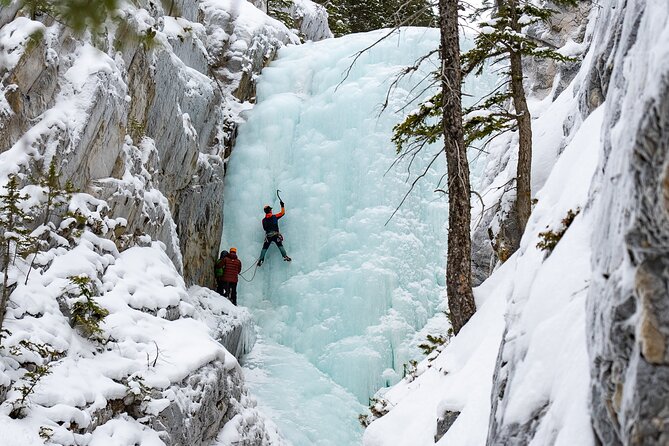
Trade skis for ice axes and venture into the frozen wonderland of Banff National Park for an unforgettable ice climbing experience in Johnston Canyon. Scale the mesmerizing frozen waterfalls, surrounded by the stunning winter landscapes of the Canadian Rockies. Beginners are welcome, with guided climbs available.
Best Season for Ice Climbing in Banff
The prime time for ice climbing in Johnston Canyon is from December to March. During these months, the waterfalls are typically fully frozen, creating optimal climbing conditions. Temperatures can be frigid, so dress appropriately and be prepared for icy conditions.
Skill Level Required for Ice Climbing
Johnston Canyon offers ice climbing routes for beginner to advanced ice climbers. If you're new to the sport, don't worry! Many certified guides offer introductory climbs and instruction. Experienced climbers can explore more challenging routes and push their limits on steeper, more technical ice formations. Consider the Banff ice climbing beginner options available!
Essential Gear for Ice Climbing
Ice climbing requires specialized gear to ensure your safety and success:
- Ice axes: Choose a pair of ice axes that fit comfortably in your hands and are appropriate for the type of climbing you'll be doing.
- Crampons: Select crampons that are compatible with your ice climbing boots and provide secure traction on the ice.
- Helmet: A helmet is essential for protecting your head from falling ice and other hazards.
- Harness: A climbing harness provides a secure attachment point for your rope and other gear.
- Ice climbing boots: Stiff, insulated boots are crucial for keeping your feet warm and providing support while climbing.
- Warm layers: Dress in multiple layers of warm clothing to regulate your body temperature in the cold environment.
- Belay device: Use a belay device to safely control the rope and protect your climbing partner.
Logistics for Ice Climbing in Banff
Planning your ice climbing trip to Johnston Canyon is key for safety and enjoyment:
- Guided Ice Climbing Tour: Book a guided ice climbing tour with a certified guide for safety and instruction, especially if you're a beginner. Guides know the best routes, provide essential safety equipment, and teach you proper climbing techniques. It's one of the safest ways to ice climb!
- Permits: Check if permits are required for climbing in Johnston Canyon or other areas of Banff National Park.
- Do I need a permit to ice climb in Johnston Canyon? You may need a permit. Contact Banff National Park authorities for updated information on permit requirements.
- Avalanche Awareness: Although less of a risk than backcountry skiing, be mindful of avalanche conditions, especially near the top of the canyon.
Experience the thrill of ice climbing! Book a guided ice climbing tour with Yamnuska Mountain Adventures
Sharpen your skills! Find ice climbing courses and equipment rentals at Atmosphere Banff
Red Rock Adrenaline: Dominate the Slickrock Trail in Moab, Utah
Trade snow and ice for red rock and sunshine and head to Moab, Utah, for a mountain biking adventure unlike any other. Experience the unique thrill of riding the Slickrock Trail, a legendary ride through the stunning red rock canyons and mesas of the American Southwest.
Best Season for Mountain Biking in Moab
The best times to experience mountain biking in Moab are during the spring (March-May) and fall (September-November) months. During these periods, the temperatures are mild, and the desert scenery is at its best. Avoid the scorching heat of summer, when temperatures can soar to extreme levels.
Skill Level Required for the Slickrock Trail
The Slickrock Trail is best suited for intermediate to advanced mountain bikers with experience riding technical terrain. The trail features steep climbs, challenging descents, and slickrock surfaces that require excellent bike handling skills. If you're a beginner, consider starting with easier trails in the Moab area before tackling the Slickrock Trail.
Essential Gear for Mountain Biking the Slickrock Trail
Proper gear is crucial for a safe and enjoyable ride on the Slickrock Trail:
- Mountain bike with good suspension: A mountain bike with front and rear suspension is recommended for absorbing the bumps and impacts of the trail.
- Helmet: A helmet is essential for protecting your head in case of a fall.
- Gloves: Gloves provide grip and protect your hands from abrasion.
- Eye protection: Wear sunglasses or goggles to protect your eyes from the sun, dust, and debris.
- Hydration pack: Bring a hydration pack with plenty of water to stay hydrated in the arid desert environment.
- Repair kit: Carry a repair kit with essential tools and spare parts to fix minor mechanical issues on the trail.
Logistics for Mountain Biking in Moab
Planning your mountain biking trip to Moab is key for safety and enjoyment:
- Bring Plenty of Water and Sunscreen: The Slickrock Trail is highly exposed to the sun. Bring at least 3 liters of water and apply sunscreen liberally throughout the day.
- Shuttle Services: Shuttle services are available to access the Slickrock Trail and other popular mountain biking destinations in Moab. Consider using a shuttle to avoid long climbs on paved roads.
- Slickrock Trail Moab shuttle service bike rental? Many bike shops offer shuttle services with bike rentals, making it easier to access the trail.
- How long does it take to mountain bike Slickrock Trail? The time it takes varies from 2-6 hours, depending on skill and fitness level.
- Mountain biking Slickrock Trail Moab weather conditions: Conditions can be extreme. Check the weather forecast before you go and be prepared for heat, wind, and potential thunderstorms.
Ride the Slickrock like a pro! Rent a top-of-the-line mountain bike at Chile Pepper Bike Shop
Explore more of Moab's trails! Check out these guided mountain biking tours with Western Spirit Cycling Adventures
These three mountain experiences offer a diverse range of challenges and rewards for young adventure travelers. Whether you're carving through fresh powder in the Swiss Alps, scaling frozen waterfalls in Banff National Park, or conquering the slickrock terrain of Moab, Utah, these adventures will push your limits, ignite your passion, and create memories that will last a lifetime. Remember to prioritize safety, prepare accordingly, and respect the environment. Now, go forth and explore! Consider VistaLocation when planning and booking your next adventure, where we strive to make the adventure the best it can be.