Reconnecting with My Heritage: A Japanese-Americ...
Kyoto. The name itself resonated with a sense of history and artistry, a pull towards my Japanese heritage that I’d felt for years. As a 42-year-old Japanese-American landscape architect named Kenji Tanaka, I’d spent my life straddling two worlds. Now, stepping off the train at Kyoto Station, I felt that duality more acutely than ever. It was a familiar yet foreign feeling, a sense of homecoming tinged with the realization that I was, in many ways, a visitor. This trip wasn't just a vacation; it was a Kyoto heritage travel pilgrimage, a personal quest to understand the threads of my ancestry woven into the fabric of this ancient city. I was eager to begin my Japanese-American cultural journey Kyoto.
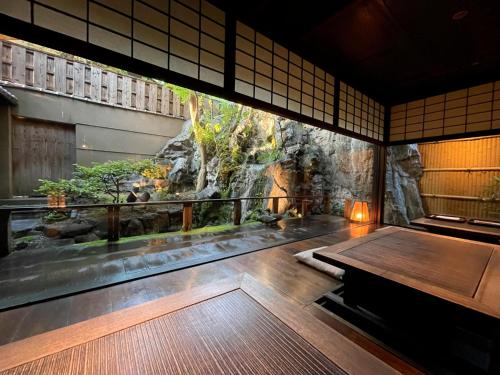
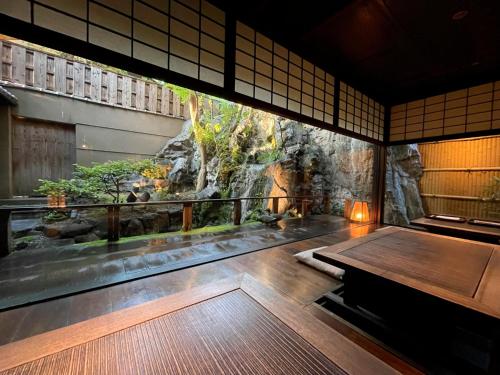
I settled into my Ryokan, a traditional Japanese inn tucked away in a quiet corner near the station. The sliding shoji screens filtered the afternoon light, casting a warm glow on the tatami mats. The scent of cedar and igusa (rush grass) filled the air, immediately calming my senses. The architecture itself was a masterclass in understated elegance, every detail meticulously crafted to create a harmonious space. I found myself marveling at the use of natural materials, the clean lines, and the seamless integration of the interior with the small, meticulously maintained garden outside. It was a welcome contrast to the concrete jungle I was accustomed to back in Los Angeles. I knew this would be more than just sightseeing; it was a chance to see Kyoto landscape architecture tour.
The Ritual of Tea: Ippodo Tea Co.
My first deep dive into Kyoto's cultural heart came at Ippodo Tea Co. on Teramachi-dori. Stepping inside, I was immediately enveloped in the aroma of freshly ground matcha. I was there to participate in a traditional tea ceremony, something my grandmother used to perform with quiet grace back home. Although a far cry from the meticulous ritual of Ippodo.
The tea master's movements were precise, almost meditative. Each gesture, from whisking the matcha to presenting the bowl, was imbued with meaning. As I sipped the bitter, frothy tea, I thought of my grandmother. I remember watching her as a child, fascinated by her calm demeanor and the reverence she showed for this ancient tradition. In that moment, holding the warm ceramic bowl, I felt a tangible connection to her, to my past, and to the enduring power of Japanese culture.
Immersed in Tradition: A Local Festival
While my visit didn't coincide with the grand Gion Matsuri, I was fortunate enough to stumble upon a smaller, local festival in a less touristy neighborhood. The air buzzed with excitement as families strolled through the streets, dressed in colorful yukatas. The rhythmic beat of taiko drums filled the air, and the tantalizing smells of street food wafted from the numerous stalls.
I watched, mesmerized, as a group of dancers performed a traditional Bon Odori. Their movements were simple yet elegant, telling stories of local legends and harvests. I joined in, clumsily attempting to mimic their steps, feeling a sense of camaraderie with the locals despite the language barrier. The traditional Kyoto ceremonies experience reminded me that even in a globalized world, these pockets of authentic cultural expression still thrive, offering a glimpse into the soul of Japan. It was a chance to immerse in Best time to visit Kyoto for culture.
Whispers in the Bamboo: Arashiyama at Night
The Arashiyama Bamboo Grove is stunning during the day, but at night, it transforms into something truly magical. I took an evening stroll, the soft glow of lanterns illuminating the towering bamboo stalks. The air was cool and still, broken only by the gentle rustling of leaves in the breeze.
As a landscape architect, I was particularly struck by the interplay of natural and artificial light within the grove. The lanterns cast long, dancing shadows, creating a sense of depth and mystery. It was a carefully curated experience, designed to evoke a sense of wonder and tranquility. The grove offered best Kyoto gardens to visit for inspiration. I thought about how the designers must have considered every angle, every shadow, every rustle of the wind, to create such a powerful and evocative space.
Golden Reflection: Kinkaku-ji at Sunrise
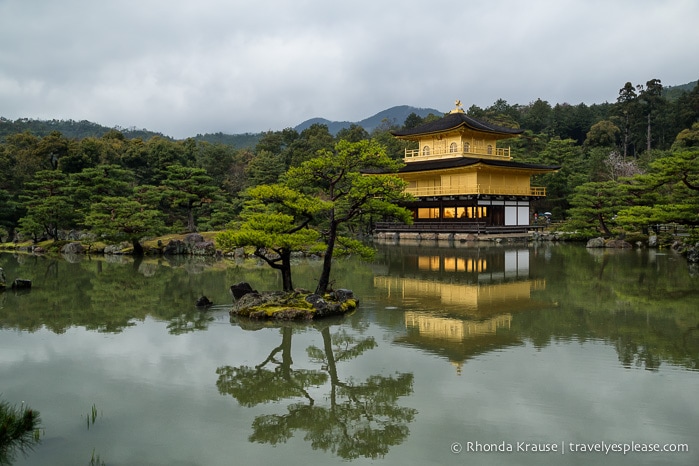
Waking before dawn, I made my way to Kinkaku-ji, the Golden Pavilion. I wanted to see it bathed in the first light of day, hoping to capture its beauty without the throngs of tourists. And I was rewarded for my efforts. As the sun rose, the pavilion shimmered, its golden facade reflecting brilliantly in the surrounding pond.

From a landscape architect's perspective, the pavilion's setting is a masterpiece of design. The pond acts as a mirror, amplifying its beauty and creating a sense of otherworldly serenity. The surrounding gardens are meticulously manicured, with carefully placed rocks and trees that enhance the visual harmony. I noticed the phoenix perched atop the roof, a symbol of immortality and renewal, perfectly complementing the pavilion's golden glow. Getting there early gave me time to truly appreciate Landscape architecture perspective Kyoto gardens.
A Toast to Tradition: Sake Tasting at Kizakura Kappa Country
Venturing to Fushimi, I indulged in a sake tasting experience at Kizakura Kappa Country brewery. I sampled several different types of sake, each with its own unique flavor profile. The subtle nuances of rice, yeast, and water were evident in every sip.
The brewery staff patiently explained the brewing process, from the careful selection of rice to the fermentation techniques passed down through generations. I learned about the importance of koji, a type of mold that plays a crucial role in converting starch into sugar. I left with a newfound appreciation for the art of sake making, its history, and its integral role in Japanese culture.
A Feast for the Senses: Nishiki Market
A guided walking tour through Nishiki Market was a sensory overload in the best possible way. The narrow streets teemed with vendors selling everything from pickled vegetables to fresh seafood. I sampled takoyaki (octopus balls) and mochi ice cream, experiencing these familiar flavors in their authentic context for the first time.
The energy of the market was infectious, a vibrant mix of sights, sounds, and smells. It was a testament to Kyoto's culinary heritage, a place where tradition and innovation collide. It was fun to explore Kyoto culinary adventures for foodies. As a Japanese-American, trying these foods in Kyoto felt different – more profound. They weren't just flavors; they were connections to a culture I was only just beginning to understand.
The Art of Dining: Kaiseki at Kikunoi
My most extravagant meal was a Kaiseki dinner at Kikunoi, the Honten location. Kaiseki is a traditional multi-course Japanese dinner, and at Kikunoi, it's elevated to an art form. Each dish was a miniature masterpiece, carefully crafted to showcase the season's freshest ingredients.
The presentation was exquisite, with delicate arrangements of food that resembled miniature landscapes. The flavors were subtle yet complex, a harmonious blend of sweet, savory, and umami. As I savored each course, I thought about the history and philosophy behind Kaiseki. It's more than just a meal; it's a celebration of nature, a tribute to the changing seasons, and a connection to my cultural heritage.
Contemplation in Stone: Ryoan-ji Temple
Ryoan-ji Temple's rock garden is perhaps the most famous example of karesansui, or dry landscape gardening, in the world. As a landscape architect, I was eager to experience it firsthand and analyze its design.
The garden consists of fifteen rocks arranged in five groups on a bed of white gravel. The beauty lies not only in the arrangement of the rocks but also in the negative space around them. It's a minimalist design that invites contemplation and encourages viewers to project their own interpretations onto the scene. The simplicity and elegance is key to Landscape architecture perspective Kyoto gardens. The arrangement is such that one rock is always hidden from view, no matter the viewer's vantage point. This encourages wandering and exploration. I found myself drawn into a meditative state, contemplating the garden's mysteries and its profound impact on visitors over the centuries.
A Symphony of Color: Tofuku-ji Temple in Autumn
My trip coincided with the peak of autumn foliage, and Tofuku-ji Temple was a riot of color. The maple trees blazed with vibrant shades of red, orange, and yellow, creating a breathtaking spectacle.
The temple's landscape design enhances the viewing experience, with carefully placed viewpoints and pathways that frame the vibrant foliage. The interplay of light and shadow on the leaves created a dynamic and ever-changing scene. It was a reminder of the beauty and transience of nature, a perfect ending to my Experiencing Autumn in Kyoto as an American.
Balancing Tradition and Modernity
Here's a glimpse into the fascinating contrasts of Kyoto, where ancient traditions meet the modern world:
A Journey of Discovery
My journey through Kyoto was more than just a sightseeing trip; it was a profound experience of self-discovery. I reconnected with my heritage, learned about Japanese culture, and gained a deeper appreciation for the art of landscape architecture. I'm planning a meaningful trip to Kyoto again soon!
As I prepared to leave, I knew that this was just the beginning. I had only scratched the surface of Kyoto's rich cultural tapestry, and I was eager to return and explore further. It was a reminder that heritage is not something static but a living, breathing entity that evolves and adapts over time. And for me, it's a journey that will continue for the rest of my life.
If you're planning your own Kyoto heritage travel, I highly recommend immersing yourself in the local culture, trying the delicious cuisine, and taking the time to appreciate the city's stunning architecture and gardens. You won't be disappointed. To plan your own adventure, check out the luxury Ryokan stays in Kyoto with onsen options at Vistalocation.com.