Rarotonga & Aitutaki: An Eco-Luxury Escape in t...
As the plane descended towards Rarotonga, a wave of fragrant plumeria seemed to waft in through the vents, mingling with the salty tang of the Pacific. From my window, the turquoise embrace of the lagoon beckoned, promising an escape unlike any other. The Cook Islands, often overlooked in favor of their more famous neighbors, are a hidden gem of sustainable tourism, a place where luxury and environmental responsibility intertwine seamlessly. I was here to discover this firsthand, and my week-long journey into paradise did not disappoint.
Aitutaki Lagoon Private Island Resort: Where Luxury Meets Sustainability
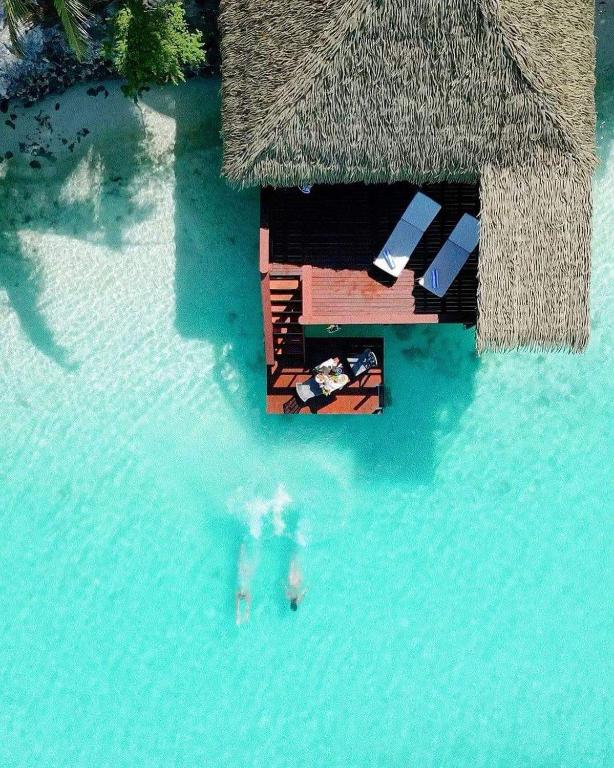
My first stop was Aitutaki, a mere 45-minute flight from Rarotonga, and home to the famed Aitutaki Lagoon Private Island Resort. This wasn't just any luxury resort; it was a testament to how responsible tourism can be elevated to an art form. The overwater bungalows, with their traditional thatched roofs, seemed to float effortlessly above the crystal-clear waters.
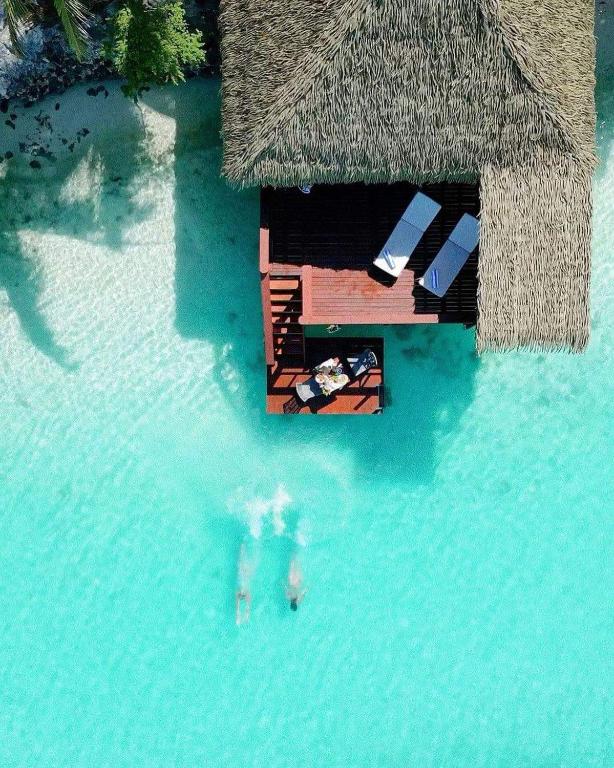
Alt Text: An overwater bungalow at the Aitutaki Lagoon Private Island Resort, showcasing its thatched roof and idyllic setting. The use of natural, locally sourced materials is evident, reflecting the resort's eco-conscious design.
What truly impressed me was the resort's unwavering commitment to sustainability. The construction utilized locally sourced materials wherever possible, minimizing its carbon footprint. Solar panels shimmered in the sun, providing a significant portion of the resort's power, and rainwater harvesting systems ensured water conservation.
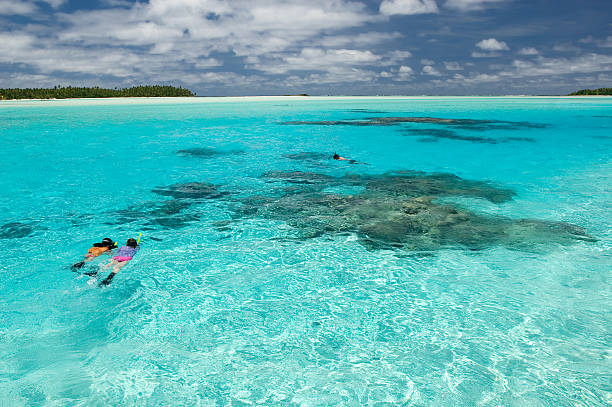
The activities on offer were equally mindful of the environment. I joined a guided snorkeling tour focused on reef conservation. Our knowledgeable guide, a local Aitutaki resident, explained the delicate balance of the ecosystem and the importance of protecting the coral reefs. We learned about responsible snorkeling practices, such as avoiding touching the coral and using reef-safe sunscreen. Kayaking through the lagoon's clear waters was another unforgettable experience, allowing me to appreciate the pristine beauty of the natural surroundings. The resort makes genuine efforts to educate its guests about the local ecosystem, fostering a deeper understanding and appreciation for the environment.
Dining at the resort was a delight, with a focus on fresh, locally sourced ingredients. The chefs worked closely with local fishermen and farmers, ensuring that the menu reflected the seasonality and abundance of the island. I savored a dish of grilled mahi-mahi, sustainably caught just hours before, its delicate flavor enhanced by a hint of local herbs. The resort’s restaurant truly exemplified the farm-to-table concept, supporting local producers and reducing the environmental impact of food transportation.
Exploring Rarotonga: Culture, Nature, and Authentic Flavors
Leaving the serene luxury of Aitutaki, I returned to Rarotonga, the heart of the Cook Islands, eager to explore its vibrant culture and diverse landscapes.
Muri Lagoon: Muri Lagoon is a must-see. The lagoon's shallow, crystal-clear waters are dotted with unique motu (islets), each offering its own charm. Wading through the warm, turquoise water was pure bliss. One of the most memorable moments was swimming with turtles at the south end of Muri Lagoon, near the Fruits of Rarotonga stand. These gentle creatures gracefully glided through the water, and I felt privileged to share their space. The area near the Fruits of Rarotonga stand is known as a safe haven for turtles due to the conservation efforts and responsible tourism practices in place.
Titikaveka Beach: Titikaveka Beach is often hailed as one of the best beaches in the South Pacific, and it's easy to see why. The pristine white sand felt soft beneath my feet, and the water was impossibly clear. Standing ankle-deep, I could see my toes perfectly clearly – a testament to the beach's cleanliness and the lagoon's exceptional water quality. It was the ideal spot for relaxation and soaking up the sun's rays.
Hiking the Raemaru Track: For a different perspective, I embarked on a hike up the Raemaru Track. The trail wound through lush green valleys, offering glimpses of the island's verdant interior. Along the way, I spotted native plants like the vibrant hibiscus and heard the calls of local birds. Reaching the summit was a rewarding experience, with panoramic views stretching across the island and out to the endless expanse of the Pacific Ocean.
Alt Text: A panoramic view from the Raemaru Track in Rarotonga, showcasing the island's lush green valleys and the vast expanse of the Pacific Ocean. The image captures the natural beauty and the sense of accomplishment from reaching the summit.
Highland Paradise Cultural Centre: A visit to the Highland Paradise Cultural Centre offered a fascinating glimpse into the traditional Polynesian way of life. The center recreated a traditional village, and the local guides shared captivating stories about their ancestors. I witnessed a demonstration of traditional cooking, learning about the techniques and ingredients used in Polynesian cuisine. The experience provided invaluable insights into the history and customs of the Cook Islands.
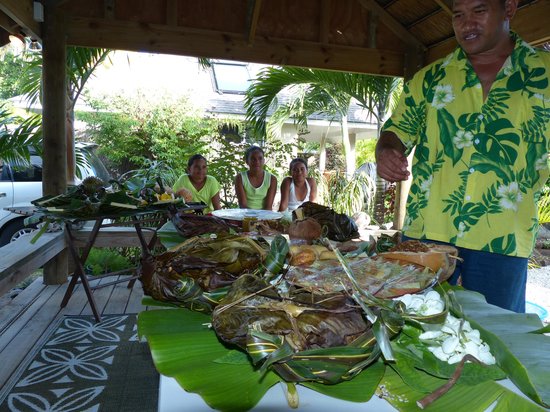
"Umu" Experience: Immersing myself in the local culture, I partook in an "umu" feast at a Rarotongan cultural village. The "umu" is an underground oven where food is cooked using heated stones. The aroma of taro, breadfruit, and marinated pork slowly cooking in the earth filled the air. It was a truly communal experience, with everyone gathering around to participate in the preparation and share stories.
Food: Sampling the local cuisine was an adventure in itself. At a roadside stall, I tried "Ika Mata," a raw fish salad marinated in coconut milk, lime juice, and vegetables. The fish was incredibly fresh, and the tanginess of the coconut milk was the perfect complement. I also indulged in "Poke" (marinated raw fish) from a local restaurant, savoring the delicate flavors and textures.
Alt Text: A colorful plate of local Rarotongan food, likely including "Ika Mata" (raw fish salad) and other traditional dishes. The photo highlights the freshness of the ingredients and the vibrant flavors of Polynesian cuisine.
Responsible Travel Tips for the Cook Islands
Here are a few practical tips for traveling responsibly in the Cook Islands:
- Minimize plastic use: Bring a reusable water bottle and shopping bag to reduce your reliance on single-use plastics.
- Support local businesses: Buy souvenirs from local artisans and eat at family-run restaurants.
- Respect local customs and traditions: Dress modestly when visiting churches or villages and learn a few basic phrases in Māori.
Capturing Paradise: Photography Notes
Throughout my journey, I aimed to capture the essence of the Cook Islands through photography, focusing on natural light and authentic moments. I primarily used a DJI Mavic Air 3 drone for stunning aerial landscape shots, capturing the contrast between the turquoise lagoon and the lush green interior. Underwater photography was captured with a Sony RX100 VII, focusing on the vibrant coral reefs and marine life. Some specific compositions that worked well were a wide-angle shot of Muri Lagoon from the air during sunset, a close-up of a local artisan weaving, and an underwater shot of a sea turtle swimming in Muri Lagoon.
Social Media Integration: Sharing the Sustainable Story
I also created Reels contrasting the landscapes, showing the transition from the vibrant coral reefs underwater to the lush green interior valleys. I encouraged viewers to consider sustainable travel options and shared my experiences with the following hashtags: #EcoTravel #SustainableTourism #CookIslands #Rarotonga #Aitutaki #ResponsibleTourism
Conclusion: A Transformative Journey
My week in the Cook Islands was a transformative experience, reminding me of the importance of responsible travel and the profound beauty that can be found when we respect and protect our planet. The stunning landscapes, the warmth of the local culture, and the commitment to sustainability left an indelible mark on my soul. I left with a renewed sense of purpose, eager to continue advocating for sustainable tourism and supporting conservation efforts in the Cook Islands. I encourage you to consider your own impact when traveling and to seek out destinations that prioritize environmental responsibility and community engagement. The Cook Islands are waiting to share their magic with you.