Rapa Nui's Reefs: A Marine Biologist's Perspecti...
Kia ora! As Dr. Anya Sharma, a marine biologist specializing in coral reef ecosystems, I recently returned from a two-week research expedition to Rapa Nui, or Easter Island as it’s more commonly known. Funded by the Oceanic Preservation Society, my team and I were there to study the impact of microplastic pollution Rapa Nui on its fragile coral reefs, specifically focusing on the Pocillopora and Porites coral species prevalent around Hanga Roa. What I found was a complex picture of ecological challenge interwoven with profound cultural resilience. This journey revealed not just the damage we’re inflicting on this remote paradise, but also the incredible potential for restoration and the urgent need for Easter Island Marine Conservation.
The Environmental Challenge: A Sea of Plastic
Rapa Nui, a tiny speck of land in the vast Pacific, is not immune to the global plastic crisis. During our underwater surveys, the evidence was undeniable. We observed fragments of fishing nets tangled around coral branches, single-use plastics like bottles and bags snagged on the reef floor, and a disturbingly high concentration of microplastics suspended in the water column. It's a stark contrast to the idyllic images often associated with this island.
Before embarking on this expedition, I conducted a preliminary study predicting a potential 15% decline in coral cover due to plastic ingestion by marine life. This prediction was based on existing research showing how microplastics can block the digestive tracts of coral polyps and interfere with their ability to absorb nutrients. Sadly, our initial findings suggest this prediction might be optimistic. The impact of microplastics on coral reefs is far-reaching, contributing to coral bleaching, reduced growth rates, and increased susceptibility to disease. One of the most significant threats to Rapa Nui's coral reefs are the influx of ocean debris from the wider pacific ocean.
Specific Pollutants Observed
We identified several specific types of plastic pollutants during our surveys:
- Microfibers: Shed from synthetic clothing and fishing gear.
- Fragmented Plastic Bags: Disintegrated into smaller, more easily ingested pieces.
- Fishing Line and Nets: Posing entanglement risks to marine life.
- Single-Use Plastic Bottles: A ubiquitous symbol of our disposable culture.
Research Activities: Unveiling the Truth Beneath the Waves
Our days were packed with rigorous research activities, often starting before sunrise. We conducted underwater visual surveys at various dive sites, including the popular Anakena beach and the more secluded Pea area. We painstakingly documented the health of the coral reefs, noting the presence of plastic debris, signs of bleaching, and the overall biodiversity of the ecosystem. The Hanga Roa reef health is of particular concern, as it's heavily impacted by tourism and local activities.
Diving into the Data
Each dive involved carefully mapping sections of the reef, identifying and counting coral species (with a particular focus on Pocillopora Coral Rapa Nui), and collecting samples of water and sediment for microplastic analysis. Back at the Centro de Estudios Rapa Nui, our temporary lab, we meticulously filtered these samples, identifying and quantifying the types and concentrations of microplastics present.
Collaboration and Community
A crucial part of our expedition involved collaborating with Rapa Nui Marine Conservation, a local NGO dedicated to protecting the island's marine environment. We participated in a reef cleanup initiative, working alongside local volunteers to remove larger pieces of plastic debris from the coastline and underwater. This collaboration highlighted the importance of community involvement in conservation efforts. Learning from local researchers has given me a different perspective on the conservation challenges the reef ecosystems face.
The Challenges of Paradise
Conducting research in such a remote location presented unique challenges. Language barriers with native Rapanui speakers required us to work closely with translators. Sourcing specific equipment, from specialized filtration systems to replacement parts for our underwater cameras, proved to be a logistical hurdle. Yet, the dedication of the local community and the sheer beauty of the island made these challenges worthwhile.
A Taste of Rapa Nui: Cultural Immersion
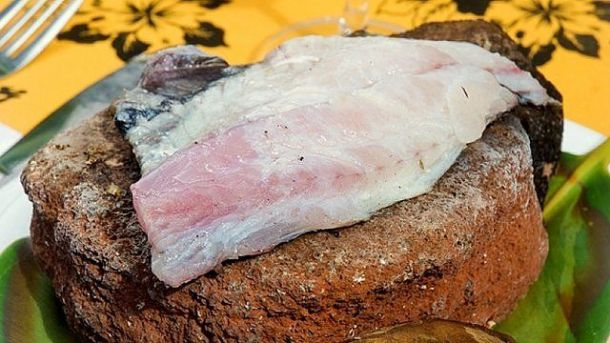
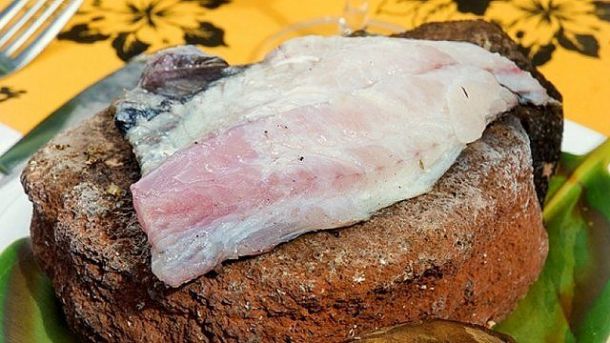
Beyond the science, I had the incredible opportunity to immerse myself, respectfully, in the vibrant culture of Rapa Nui. I was invited to attend a traditional "Umu" feast, a communal celebration centered around food cooked in an underground oven. The preparation of the "Tunu Ahí" (fish cooked on hot stones) was a mesmerizing process, involving layers of heated volcanic rocks, banana leaves, and carefully seasoned fish. The smoky aroma and tender texture of the "Tunu Ahí," flavored with local herbs, was unforgettable. Similarly, the "Po'e" (a banana and pumpkin cake), a dense and subtly sweet dessert, offered a glimpse into the island's agricultural heritage. Tunu Ahí recipes have been passed down the generations.
It’s important to note that these dishes are often sourced sustainably from the island, showcasing a deep connection between the Rapanui people and their environment. The "Umu" feast is not just a meal; it's a celebration of community, tradition, and the bounty of the land and sea. While immersing in this cultural event I was deeply mindful to avoid excessively romanticising or exoticizing the culture. Instead, my goal was to appreciate and respect the history of the people.
Beyond the Moai: Exploring the Landscape
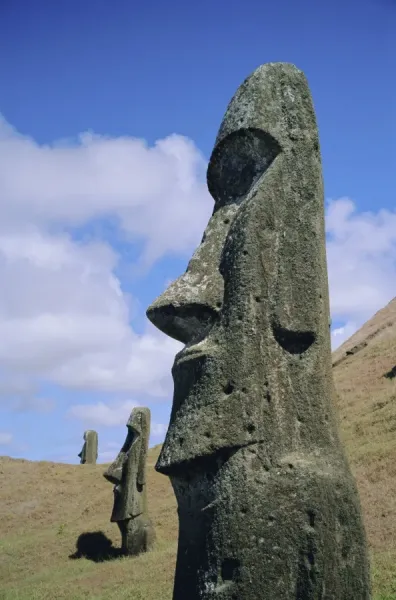
While the iconic Moai statues are undoubtedly the most recognizable symbol of Rapa Nui, the island's landscape offers so much more. A visit to Rano Raraku quarry, where the Moai were carved, was a sensory experience like no other. The feel of the volcanic rock underfoot, the scent of dry grass carried on the wind, and the overwhelming visual impact of the unfinished statues scattered across the hillside created a sense of awe and mystery.
Equally captivating was a visit to the Orongo ceremonial village, perched on the crater rim of the Rano Kau volcano. The view from the rim was breathtaking, offering panoramic vistas of the Pacific Ocean and the dramatic coastline. The vibrant colors of the lichen-covered rocks, the strong winds whipping across the crater, and the feeling of standing on the edge of the world created a truly unforgettable moment.
Paradise Found? A Call to Action
My time on Rapa Nui was a powerful reminder of the interconnectedness of our planet. The plastic pollution plaguing its reefs is a direct consequence of our global consumption habits. But there is hope. By embracing responsible tourism Easter Island, supporting local conservation efforts, and making conscious choices in our daily lives, we can help protect this unique and fragile ecosystem.
Here's what you can do:
- Reduce your plastic consumption: Choose reusable alternatives to single-use plastics whenever possible.
- Support sustainable businesses: Opt for eco-friendly accommodations, tours, and restaurants that prioritize environmental responsibility.
- Educate yourself and others: Learn about the impact of plastic pollution and share your knowledge with friends and family.
- Donate to Rapa Nui Marine Conservation: Visit their website to learn more and make a donation.
Let's work together to ensure that Rapa Nui's reefs, and indeed all of our planet's precious ecosystems, are not lost but found—preserved for generations to come. The future of Easter Island Marine Conservation relies on our collective action.