Rapa Nui: An Anthropology Enthusiast's Journey t...
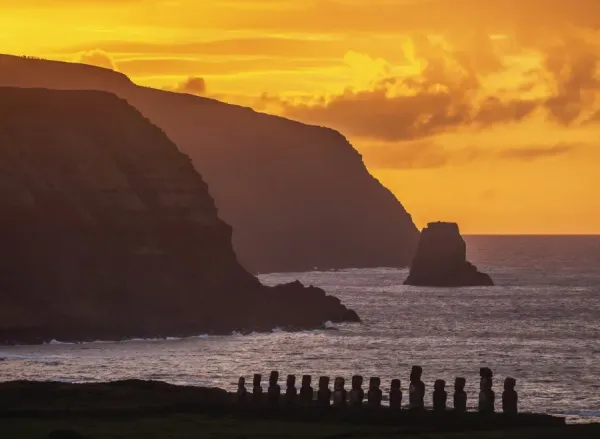
I'll never forget the first time I laid eyes on a Moai. Standing there, silhouetted against the vast Pacific sky, it wasn't just a statue; it was a sentinel, a whisper from a forgotten age. A wave of awe washed over me, mingling with a profound sense of mystery. How did these colossal figures come to be? What was their purpose? These questions, etched in stone and silence, fueled my anthropological curiosity and drew me to Rapa Nui (Easter Island) like a moth to a flame. This is my story of experiencing the magic, the mystery, and the resilient spirit of this extraordinary island.
Witnessing the Energy of Tapati Rapa Nui
My journey was intentionally timed to coincide with the Tapati Rapa Nui festival, a vibrant celebration of Rapa Nui culture. Stepping into this whirlwind of tradition was like stepping back in time. The energy was palpable, a collective heartbeat echoing through the village of Hanga Roa. It wasn't just a tourist spectacle; it was a genuine expression of identity, a powerful connection to the ancestors.
One of the most captivating events was the Haka Pei, a daring competition where young men, adorned with traditional body paint, race down a steep hill on banana trunks. The speed was exhilarating, the risk undeniable, and the cheers of the crowd infectious. It was more than just a thrill; it was a symbolic act, a testament to the Rapa Nui people's courage, resourcefulness, and deep connection to the land. Seeing this event gave me a deeper understanding of how the Rapa Nui culture celebrates it's own rich history.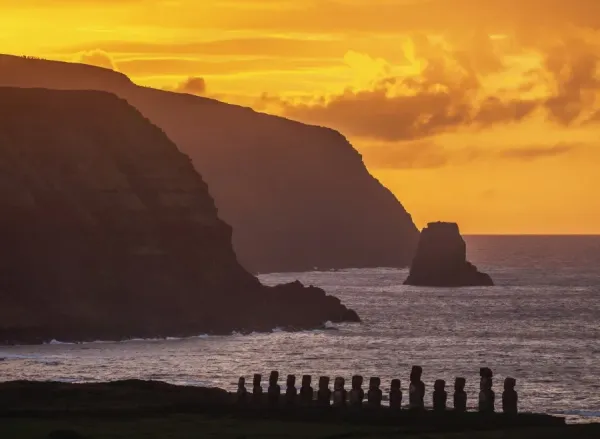
Tapati Festival Rapa Nui Dates and Events
The Tapati festival Rapa Nui dates and events typically occur during the first two weeks of February. From canoe races and traditional dances to body painting contests and singing competitions, the festival offers a diverse array of activities that showcase the unique heritage of the island. The best time to visit Rapa Nui for Tapati festival is during these two weeks, however, accommodations book far in advance, so plan accordingly.
Ahu Tongariki at Sunrise: An Awakening
Rising before dawn, I made my way to Ahu Tongariki, the largest Moai platform on the island. As the first rays of sun kissed the horizon, the fifteen Moai statues slowly emerged from the darkness, their stoic faces bathed in a golden light. It was a breathtaking sight, a moment of pure magic that transcended time.
These colossal figures, each weighing several tons, stand facing inland, their backs to the ocean. Theories abound about their original placement and purpose. Were they guardians, protectors, or representations of revered ancestors? The mystery remains, adding to the allure of this sacred site. Ahu Tongariki sunrise tour booking price varies depending on the tour operator, but the experience of witnessing this spectacle is priceless.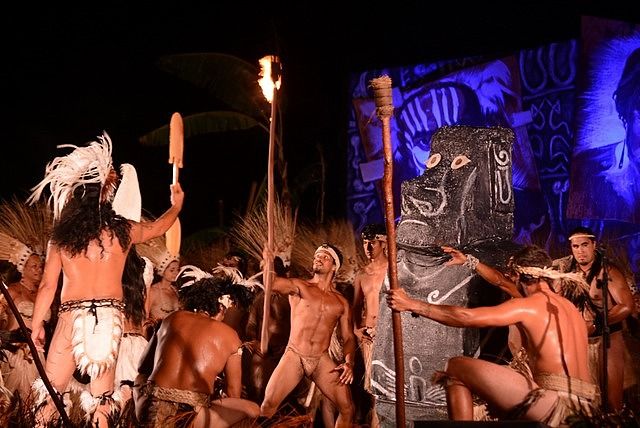
Under the Rapa Nui Stars: An Astronomy Tour
The night sky on Rapa Nui is a spectacle in itself, far removed from the light pollution of modern cities. I joined a guided astronomy tour, eager to learn about the Polynesian navigation techniques and the importance of celestial observation in Rapa Nui culture.
Our guide, a descendant of the island's original inhabitants, shared ancient stories and explained how the Rapa Nui people used the stars to navigate across vast stretches of the Pacific Ocean. He pointed out constellations, planets, and the Milky Way, painting a vivid picture of the cosmos and its profound connection to their ancestors. The Rapa Nui astronomy tour dark sky locations provided an unparalleled viewing experience, linking the earthly and celestial realms.
A Taste of Tradition: Rapa Nui Food
Food is an integral part of any culture, and Rapa Nui is no exception. I had the opportunity to experience Umu, a traditional earth oven cooking method. The process is laborious, involving heating volcanic stones, layering them with food (meat, fish, vegetables), and covering everything with leaves and earth. The result is a smoky, flavorful feast that connects you to the land and its resources. Authentic Rapa Nui Umu cooking class options are available for tourists wishing to immerse themselves in Rapa Nui culture and learn the history of Umu cooking.
One memorable meal consisted of fresh tuna ceviche, marinated in lime juice with local chili peppers and sweet potatoes. The flavors were vibrant and refreshing, a testament to the island's abundance of fresh seafood.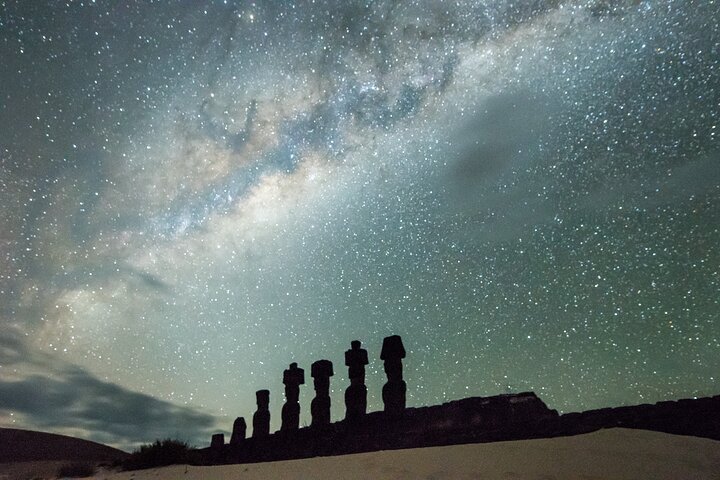
The Volcanic Embrace: Rapa Nui's Landscape
Rapa Nui's landscape is a dramatic tapestry of volcanic craters, windswept plains, and rugged coastal cliffs. The stark beauty of the island is both captivating and humbling. Walking along the coastline, I could feel the raw power of nature, the same forces that shaped the island and its iconic Moai statues. The Easter Island volcanic landscape hike is a must-do activity for adventure seekers.
The native toromiro tree, once abundant on the island, is now critically endangered due to deforestation. Efforts are underway to preserve this iconic species, a symbol of resilience and hope for the future.
Preserving the Legacy of Rapa Nui: Responsible Tourism
My visit to Rapa Nui left an indelible mark on my soul. The island's rich cultural heritage, the enigmatic Moai statues, and the resilient spirit of the Rapa Nui people are treasures that must be preserved for future generations. What is responsible tourism on Easter Island? Responsible tourism in Rapa Nui is about respecting the environment, supporting local communities, and minimizing your impact on this fragile ecosystem.
Responsible Travel Guide Easter Island
Here are some recommendations for travelers who want to visit Rapa Nui responsibly:
- Support local businesses: Eat at local restaurants, stay in locally owned accommodations, and purchase souvenirs from local artisans.
- Avoid disrespectful photography: Be mindful of sacred sites and ask for permission before taking photos of people.
- Learn about the island's history and culture: Read books, watch documentaries, and engage with local guides to deepen your understanding of Rapa Nui. Anthropology enthusiast's guide to Rapa Nui visitors must be knowledgeable and respectful of local cultures.
- Conserve water and energy: Be mindful of your water usage and turn off lights and appliances when not in use.
- Respect the environment: Avoid littering, stay on marked trails, and do not disturb the island's flora and fauna. Sustainable tourism initiatives Rapa Nui aims to protect the cultural and natural resources of the island.
- Engage with the community: Attend cultural events, participate in local activities, and learn a few basic phrases in the Rapa Nui language.
- Support Rapa Nui cultural preservation projects: Donate to organizations working to preserve the island's heritage. Rapa Nui cultural preservation projects to support include restoring sacred sites, teaching the Rapa Nui language to future generations, and preserving traditional arts and crafts.
Rapa Nui is a place that challenges your perceptions, expands your understanding, and leaves you with a sense of wonder. By traveling responsibly and respecting the island's cultural and environmental heritage, we can all contribute to ensuring that its magic endures for generations to come. If there are any further questions, please contact Vistalocation for any additional details to help you book your trip today.