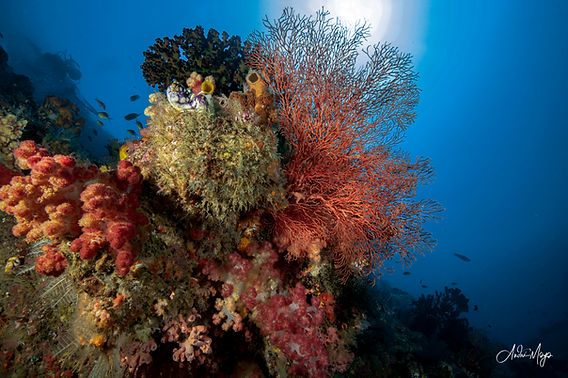
Raja Ampat: Diving Deep into Paradise and Preser...
Hello! I'm Zara Khan, a freelance underwater photographer and documentary filmmaker. For years, I've dedicated my life to capturing the beauty and fragility of our planet's coral reefs, documenting the impact of human activity, and advocating for responsible diving practices. From the bleaching reefs of the Great Barrier Reef to the plastic-choked waters of Southeast Asia, I've witnessed firsthand the urgent need for conservation. My work has led me to some incredible places, but nothing could have prepared me for the sheer, breathtaking wonder of Raja Ampat. And this trip wasn't just about capturing images; it was about understanding and supporting the vital conservation efforts underway.
A stunning aerial view of Raja Ampat's karst islands and turquoise waters, showcasing the region's incredible beauty and biodiversity.
First Impressions: A Landscape Unlike Any Other
Raja Ampat, located in West Papua, Indonesia, is an archipelago of over 1,500 islands, islets, and shoals. As the small plane began its descent, I pressed my face against the window, mesmerized. Emerald islands, sculpted by millennia of wind and wave, rose dramatically from the turquoise waters. The vibrant greenery seemed to explode from every surface, a testament to the region's rich biodiversity. This was more than just a beautiful landscape; this was a biodiversity hotspot, the heart of the Coral Triangle, boasting the highest marine biodiversity on Earth. I knew then that my diving adventures here would be unlike any other.
Diving Adventures: Plunging into a World of Wonder
The diving in Raja Ampat is, quite simply, unparalleled. The marine protected area (MPA) status contributes significantly to the health of the reefs. Every dive felt like entering a living, breathing kaleidoscope. The sheer abundance of life was overwhelming, a constant reminder of what a healthy reef ecosystem should look like.
Magic Mountain: Manta Rays and More
My first dive was at Magic Mountain, a site famous for its manta ray cleaning stations. As I descended, the visibility was incredible, easily 30 meters. The anticipation was palpable as we approached the cleaning station. And then, they appeared: majestic manta rays, gliding effortlessly through the water, their massive wings spanning several meters. They circled above us, patiently waiting their turn to be cleaned by the small reef fish that pick parasites from their skin. We spotted several manta rays performing a ballet. The sheer size and grace of these creatures were awe-inspiring. Besides the mantas, the reef was teeming with life. Schools of fusiliers darted through the water, while reef sharks patrolled the edges. I even spotted a few pygmy seahorses, clinging to sea fans, their tiny bodies perfectly camouflaged. This dive was truly magical, a breathtaking introduction to the wonders of Raja Ampat diving.
Cape Kri: Where Fish Dominate
Cape Kri is another legendary dive site, known for its incredible fish biomass and strong currents. The currents, while challenging, are what bring in the nutrients that support such an abundance of life. As soon as I dropped below the surface, I was engulfed in a swirling vortex of fish. Schools of jacks and barracuda formed shimmering walls, while sweetlips and snappers clustered around the coral heads. The sheer density of fish was staggering. It felt like being in an underwater blizzard of scales and fins. Amidst the chaos, I spotted a wobbegong shark resting under a coral ledge, its tasseled beard swaying gently in the current. Nudibranchs, in every imaginable color and pattern, crawled across the reef. The soft coral swayed back and forth, adding to the kaleidoscope of life. This dive was an adrenaline rush, a thrilling reminder of the power and beauty of the ocean.
Ethical Diving Practices: Protecting Paradise
Raja Ampat is a fragile ecosystem, and it's crucial that all divers practice ethical and responsible diving. We have a responsibility to minimize our impact and protect this incredible place for future generations. Here are a few concrete tips for diving ethically in Raja Ampat:
- Maintain neutral buoyancy: This is the most important thing you can do to protect the reef. Practice your buoyancy control and avoid touching or kicking the coral.
- Avoid wearing gloves: Gloves encourage touching marine life. Resist the urge to grab or hold onto anything.
- Refrain from using single-use plastics: Bring your own reusable water bottle and dive gear bag. Avoid using plastic straws or accepting plastic bags.
- Never feed marine animals: Feeding disrupts natural feeding patterns and can harm the animals.
- Choose dive operators committed to sustainable practices: Support businesses that prioritize conservation and employ local staff.
Underwater Photography in Raja Ampat: Capturing the Moment
Raja Ampat offers incredible opportunities for underwater photography, but the unique conditions require some specific techniques. Here are a few tips to help you capture stunning images:
- Use a wide-angle lens: Raja Ampat's reefscapes are vast and dramatic. A wide-angle lens will allow you to capture the scale and grandeur of the underwater world.
- Shoot in manual mode: Manual mode gives you complete control over your exposure and white balance. This is essential for getting accurate colors underwater.
- Use a fast shutter speed: Fast shutter speeds will help you freeze fast-moving subjects like fish and sharks.
- Pay attention to composition: Use the rule of thirds and leading lines to create visually appealing images.
- Minimize backscatter: Backscatter is caused by light reflecting off particles in the water. Position yourself carefully and adjust your strobe placement to minimize backscatter.
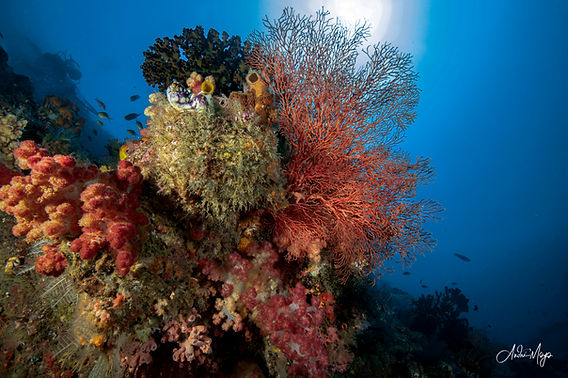
An underwater photographer captures the vibrant beauty of Raja Ampat's coral reefs and marine life, showcasing the incredible opportunities for underwater photography in the region.
Food and Culture: A Taste of Papua
Beyond the incredible diving, Raja Ampat also offers a unique cultural experience. The local Papuan communities are warm and welcoming, and their traditions are deeply intertwined with the ocean. The local cuisine is simple but delicious, with a focus on fresh seafood and local ingredients.
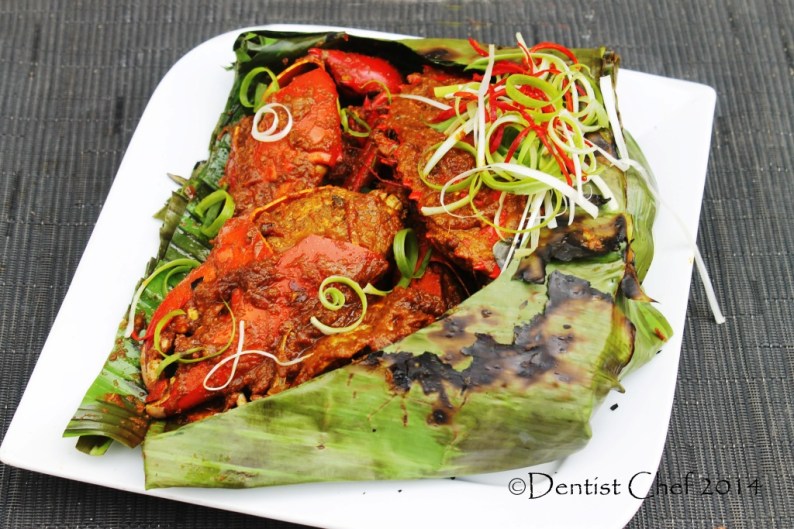
One of the most iconic dishes is Papeda, a starchy porridge made from sago palm. The sago is extracted from the palm trunk through a laborious process that has been passed down through generations. The Papeda is typically eaten with ikan bakar (grilled fish), seasoned with a blend of local spices and marinades. The flavors are rich and complex, a testament to the region's unique culinary heritage. Learning about the cultural significance of these dishes adds another layer of depth to the Raja Ampat experience.
Conservation Efforts: The Misool Foundation
The pristine beauty of Raja Ampat is not a given; it's the result of dedicated conservation efforts. The Misool Foundation is a non-profit organization that has been working tirelessly to protect Raja Ampat's marine environment.
In 2005, the Misool Foundation established a 1220 sq km No-Take Zone in southern Raja Ampat. This means that all fishing and other extractive activities are prohibited within the zone. The results have been remarkable. Studies have shown a significant increase in fish biomass and coral cover within the No-Take Zone, demonstrating the effectiveness of this conservation strategy. The Misool Foundation also runs community-based patrolling programs, empowering local communities to protect their marine resources. These programs provide training and equipment to local rangers, who patrol the No-Take Zone and enforce the regulations. By involving local communities in the conservation process, the Misool Foundation is ensuring the long-term sustainability of its efforts.
Sustainable Lodging: Misool Eco Resort
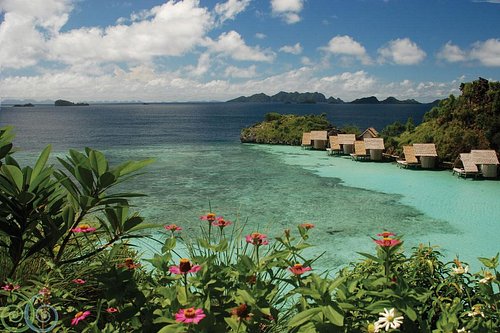
During my trip, I had the privilege of staying at Misool Eco Resort, a truly remarkable example of sustainable tourism. The resort is built entirely from reclaimed wood, blending seamlessly with the natural environment. They are committed to employing local staff, providing them with fair wages and training opportunities. The resort also supports local community development projects, helping to improve the lives of the people who call Raja Ampat home. Misool Eco Resort goes above and beyond to minimize its environmental impact, from waste management to water conservation. Staying there wasn't just a comfortable experience; it was an affirmation that tourism can be a force for good.
A picturesque view of Misool Eco Resort, highlighting its sustainable design and integration with the natural environment, showcasing the resort's commitment to eco-friendly tourism practices.
Permits and Supporting Local Communities
To dive and visit certain areas in Raja Ampat, you'll need to obtain the necessary permits. This helps fund conservation efforts and supports local communities. You can find more information on permits and fees on the local government website or through your dive operator.
Supporting local businesses is another great way to contribute to the local economy. Purchase local crafts, hire local guides, and eat at local restaurants. Your money will go directly to the people who are working to protect this incredible place.
Diving Raja Ampat FAQs
- What is the best time to dive in Raja Ampat? The best time to dive is generally from October to April, when the seas are calmer and the visibility is at its best.
- How do I obtain a diving permit for Raja Ampat? Permits can be obtained online or through local tourism offices. Check the official Raja Ampat tourism website for the most up-to-date information.
- How much does a diving trip to Raja Ampat cost? Diving trips can range from budget-friendly to luxury experiences, with costs varying depending on accommodation, dive packages, and travel style. Expect to pay a premium compared to other diving destinations due to Raja Ampat's remote location.
- What dive certifications are needed raja ampat? A basic Open Water certification is typically sufficient, but advanced certifications and experience are recommended due to the strong currents in some dive sites.
Raja Ampat: A Call to Action
Raja Ampat is a place of unparalleled beauty and biodiversity, a true paradise on Earth. But it is also a fragile ecosystem that is under threat. We must all do our part to protect this incredible place for future generations. Visit Raja Ampat responsibly, support local businesses and communities, and donate to the ongoing conservation efforts.
Please consider donating to the Misool Foundation: https://www.misoolfoundation.org/donate
Let's work together to ensure that Raja Ampat remains a diving destination and a beacon of hope for marine conservation for years to come.