Raja Ampat: Dive into Pristine Beauty and Sustai...
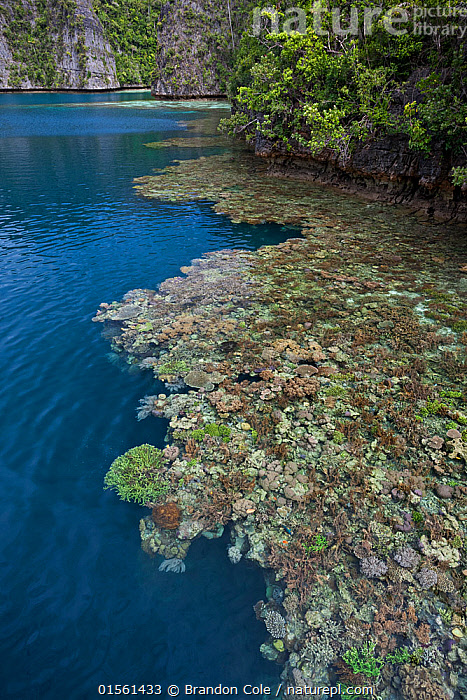
The moment the tiny propeller plane banked sharply, revealing the archipelago of Raja Ampat, I knew I was entering a different world. Below, the harsh midday equatorial sun beat down on turquoise waters so clear they seemed unreal. Emerald green jungle clung precariously to the dark, ancient limestone karst islands, a striking contrast that defined the landscape. This remote corner of Indonesia, nestled within the Coral Triangle, is a true biodiversity hotspot, boasting the highest concentration of marine life on Earth. More importantly, it's a place where a genuine commitment to conservation breathes life into every experience, offering the environmentally conscious luxury traveler an unparalleled opportunity to connect with nature responsibly. I was there to experience Raja Ampat Eco-Luxury Travel first-hand, and what followed was nothing short of transformative.
Underwater Eden: Scuba Diving Cape Kri
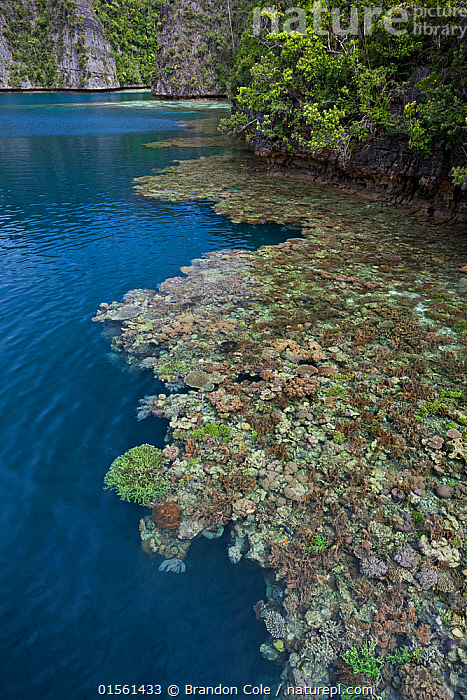
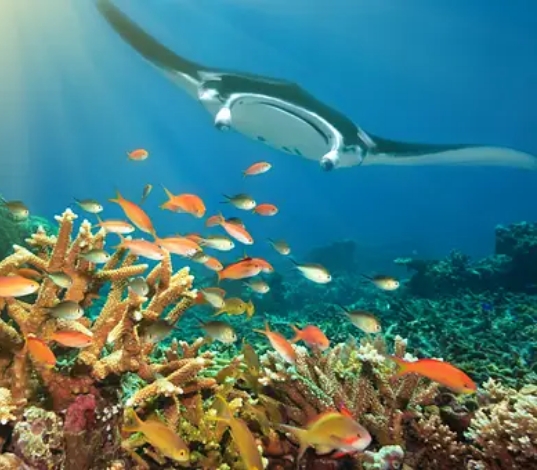
Diving in Raja Ampat is like entering another dimension. At Cape Kri, renowned for its astonishing biodiversity, I was immediately enveloped in a kaleidoscope of color. The visibility was incredible – I could see for what felt like miles. Schools of barracuda shimmered in the current, their silvery scales catching the sunlight. Graceful reef sharks glided effortlessly through the water, patrolling their underwater domain. The coral formations were breathtaking: intricate structures of staghorn and brain coral, teeming with life, stretched as far as the eye could see. The feeling of weightlessness was profound, and the only sounds were the gentle rush of my regulator and the distant clicks and pops of the reef coming to life. For those serious about diving, ensure you explore and understand more of Cape Kri Raja Ampat Diving Review. The chance to immerse yourself in marine life here is one of a kind.
What Makes Raja Ampat Diving So Special?
Raja Ampat is special due to its location within the Coral Triangle, which makes it home to an unparalleled concentration of marine species and incredibly biodiverse coral reefs. Strong currents bring nutrient-rich waters, supporting a vast and thriving ecosystem.
Waigeo's Hidden Treasure: Searching for the Red Bird-of-Paradise
Trading the underwater world for the dense rainforest, I embarked on a guided birdwatching tour on Waigeo Island, the largest of the four main islands. Our mission: to spot the elusive Red Bird-of-Paradise. The air was thick with humidity, and the sounds of the rainforest were overwhelming – a symphony of buzzing insects, chirping birds, and rustling leaves. Dappled sunlight filtered through the dense canopy, creating an ethereal atmosphere. Our guide, a local Papuan with an encyclopedic knowledge of the forest, led us deeper into the jungle. And then, there it was. A flash of vibrant red amidst the green foliage. The Red Bird-of-Paradise, a creature of breathtaking beauty, performed its elaborate courtship display, its plumage a testament to the wonders of evolution. Witnessing this spectacle underscored the importance of protecting these rare species and their fragile habitat.
Where Can I See the Red Bird-of-Paradise in Raja Ampat?
The Red Bird-of-Paradise is most reliably seen on Waigeo Island, typically during guided tours that take place early in the morning when the birds are most active in their display trees.
A Taste of Raja Ampat: Local Cuisine
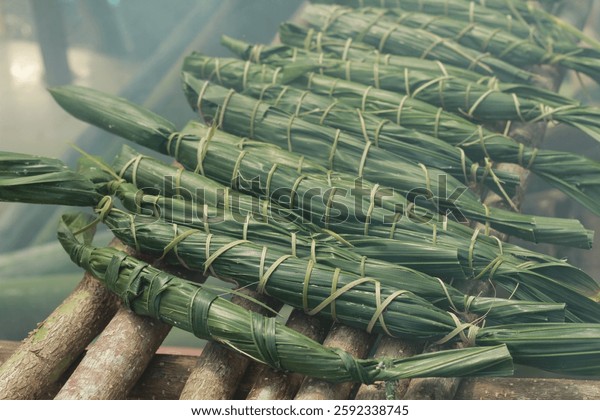
No trip is complete without immersing oneself in the local culture, and in Raja Ampat, that means savoring the flavors of Papuan cuisine. One evening, I had the pleasure of trying Papeda, a traditional sago porridge, served with fresh yellowfin tuna. The texture of the Papeda was unique – a gluey, almost gelatinous consistency that took some getting used to. But the flavor was surprisingly subtle, providing the perfect canvas for the star of the dish: the grilled yellowfin tuna. The fish was incredibly fresh, sourced directly from the surrounding waters, and grilled to perfection. It was served with sambal dabu-dabu, a raw relish made with chili, tomatoes, and shallots, adding a spicy, tangy kick that perfectly complemented the rich, oily tuna. Trying Papeda Yellowfin Tuna Raja Ampat Cuisine is a must for those visiting.
What Does Papeda Taste Like?
Papeda has a very mild, almost bland taste on its own. Its unique, gluey texture is its defining characteristic. The flavor is designed to be a neutral base for richer, more flavorful dishes like grilled fish or spicy stews.
Misool Eco Resort: A Beacon of Conservation
My stay at Misool Eco Resort was a highlight of the trip, showcasing how luxury and sustainability can coexist harmoniously. The resort is located within a vast no-take zone, meaning that fishing and other destructive activities are strictly prohibited. This has allowed the marine ecosystem to flourish, resulting in an abundance of fish and vibrant coral reefs. The resort is actively involved in manta ray conservation, conducting research and implementing measures to protect these gentle giants. But their commitment goes beyond marine life. Misool Eco Resort is deeply invested in the local community, providing employment opportunities and supporting education initiatives. The resort's commitment to sustainability is evident in every detail, from the use of recycled materials to the implementation of energy-efficient practices. It's truly a model for responsible tourism. If you are concerned about Ethical Tourism Indonesia then staying here will ease your conscience.
How is Misool Eco Resort Sustainable?
Misool Eco Resort is sustainable through its establishment of a no-take zone, active conservation projects for manta rays and other marine life, commitment to employing and supporting local communities, and implementation of eco-friendly practices in construction and operation.
The Sculpted Landscape of Raja Ampat: Karst and Mangroves
The landscape of Raja Ampat is as captivating as its underwater world. The karst formations rise dramatically from the sea, their craggy surfaces softened by the emerald green of the rainforest. These ancient limestone islands, sculpted by wind and waves over millennia, create a breathtaking panorama. The mangrove forests that fringe the islands play a crucial role in the ecosystem, serving as nurseries for countless marine species. The interplay of colors is mesmerizing – the deep blues of the ocean, the vibrant greens of the vegetation, and the stark grays of the limestone, all bathed in the golden light of the equatorial sun. The Karst Landscape Raja Ampat Beauty is one of a kind.
Why is Raja Ampat a Biodiversity Hotspot?
Raja Ampat's location within the Coral Triangle, combined with its complex underwater topography, strong currents, and diverse habitats like mangroves and seagrass beds, creates an ideal environment for a vast array of marine species to thrive.
Raja Ampat: A Call to Responsible Travel
My journey to Raja Ampat was more than just a vacation; it was an immersion into a world of unparalleled natural beauty and a powerful reminder of the importance of responsible travel. I urge you to consider visiting this extraordinary destination, but to do so with intention. Support eco-tourism initiatives like Misool Eco Resort, choose sustainable tour operators, and be mindful of your impact on the environment and the local community. By traveling responsibly, we can help preserve this natural paradise for future generations. Explore Sustainable Tourism Raja Ampat Islands today and get going!
If you are interested in seeing the beauty Raja Ampat has to offer, check out VistaLocations’ offerings here.