Raja Ampat: A Free Diver's Paradise of Marine Wo...
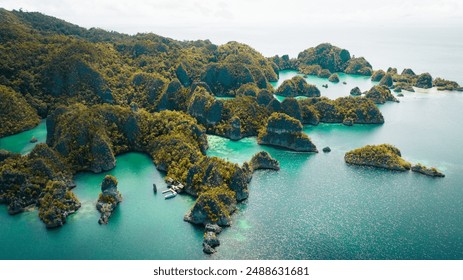
Raja Ampat, Indonesia. The name itself conjures images of emerald islands rising from turquoise waters, a true biodiversity hotspot teeming with life. As a free diving underwater photographer specializing in rare marine life documentation, I've explored countless corners of our planet, but Raja Ampat… Raja Ampat stole a piece of my heart. My recent trip was an immersion into a world of vibrant reefs, thrilling currents, and the warm embrace of Papuan culture. This is more than just a destination; it's an experience that demands respect, conservation, and a deep appreciation for the delicate balance of nature. My Raja Ampat diving review will guide you through its best dive sites.
Free Diving Adventures: A Dance with Currents and Creatures
Raja Ampat is located in West Papua and a part of the Coral Triangle. Free diving here presents unique challenges. The confluence of currents creates both exhilarating dives and demanding conditions. But the rewards? Unparalleled. I was there to capture the magic of the underwater realm, and Raja Ampat delivered in spades. Here are some of the best free diving sites Raja Ampat has to offer.
The Passage: Where Currents Collide
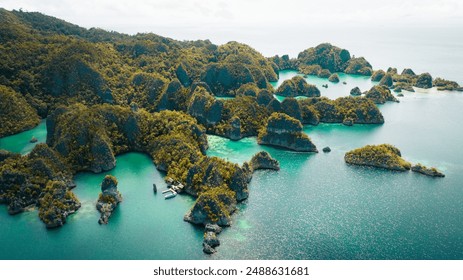
"The Passage" is an aptly named narrow channel between Waigeo and Gam islands. Here, powerful currents surge, creating a nutrient-rich environment that fuels an explosion of life. Soft corals in every imaginable color carpet the walls, and schools of fish dart through the swirling water. Photographing this dynamic environment while free diving was challenging, requiring careful planning and precise movements to avoid being swept away. The reward? Capturing images of vibrant soft corals filtering the water and schools of fish navigating the currents, images that showcase the raw power and beauty of Raja Ampat's marine ecosystem.
Cape Kri: A Fish Frenzy
Cape Kri holds the record for the highest number of fish species recorded on a single dive. Imagine descending into a blizzard of color and movement, with reef sharks cruising by, schools of fusiliers shimmering in the sunlight, and countless smaller species darting amongst the coral. The sheer density of life is overwhelming. Free diving here meant being constantly aware of my surroundings, carefully maneuvering to avoid disturbing the delicate ecosystem while attempting to capture the essence of this underwater metropolis. This is an excellent location for Raja Ampat marine life photography.
Blue Magic: Manta Ray Encounters
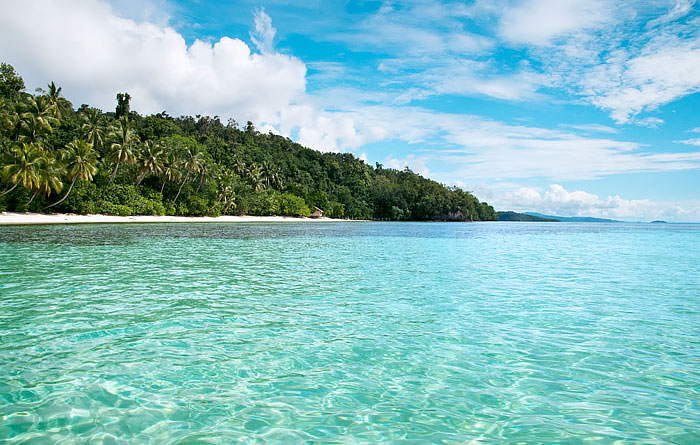
Blue Magic is a manta ray cleaning station, a submerged pinnacle where these gentle giants congregate to be cleaned of parasites by smaller fish. The experience of free diving alongside these majestic creatures is truly humbling. The challenge lies in maintaining buoyancy and stillness, allowing the mantas to approach without feeling threatened. Photographing manta rays in Raja Ampat Blue Magic requires patience and respect, but the resulting images of these graceful animals in their natural habitat are worth every breath-hold.
Local Encounters: The Warmth of Papuan Hospitality
Beyond the breathtaking underwater landscapes, Raja Ampat offers a rich cultural experience. One afternoon, I visited Yenbuba village on Mansuar Island and had the privilege of meeting Mama Ani.
Meeting Mama Ani
Mama Ani, a Papuan woman with a smile as radiant as the tropical sun, welcomed me into her home. She demonstrated the traditional process of making "Papeda," a staple food in the region. The sago palm, the source of Papeda, is harvested sustainably, ensuring the long-term health of the forest. Watching her expertly extract the sago starch, mix it with water, and cook it over an open fire was a fascinating glimpse into a way of life deeply connected to the land. Mama Ani's warmth and generosity made me feel instantly welcome, highlighting the genuine hospitality of the Papuan people. This is an essential element of experiencing Papua culture Raja Ampat.
Culinary Discoveries: A Taste of Raja Ampat
Raja Ampat's cuisine is as diverse and vibrant as its marine life. Fresh seafood, locally grown fruits, and traditional dishes offer a tantalizing culinary journey.
Papeda: A Staple of the Papuan Diet
Papeda, the sago porridge I learned about from Mama Ani, is a cornerstone of the Papuan diet. Its bland flavor is the perfect canvas for flavorful fish stews and vegetable dishes. The sustainable harvesting of sago is a testament to the Papuan people's deep understanding of their environment. Here’s a simple version:
Simple Papeda Recipe
- Extract sago starch from the sago palm pith.
- Mix sago starch with water until smooth.
- Boil water in a pot.
- Slowly pour the sago mixture into the boiling water, stirring constantly.
- Continue stirring until the mixture thickens and becomes translucent.
- Serve hot with grilled fish and vegetables.
Baronang: Fresh from the Sea
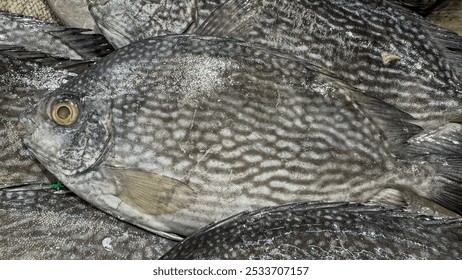
Fresh grilled "Baronang" fish (rabbitfish), caught sustainably by local fishermen, was a culinary highlight. The fish was simply seasoned with salt and pepper and grilled over coconut husks, imparting a smoky flavor that perfectly complemented the delicate flesh. Knowing that the fish was caught sustainably made the meal even more enjoyable.
Matowa: A Taste of the Tropics
Local fruits like "Matowa" (Fijian longan), sourced directly from villagers, provided a sweet and refreshing treat. The unique flavor of Matowa, a cross between lychee, rambutan, and longan, is a taste of Raja Ampat I won't soon forget.
Landscape Immersion: Karst Wonders Above and Below
The karst landscapes Raja Ampat are breathtaking, both above and below the water. Towering limestone cliffs, sculpted by millennia of erosion, rise dramatically from the sea. Hidden lagoons, accessible only by small boat, offer secluded havens of tranquility. Underwater, the karst formations create unique cave systems, waiting to be explored. Free diving through these underwater caves, with shafts of sunlight piercing the darkness, was an ethereal experience. The blending of jungle and reef environments is seamless, creating a visual tapestry of unparalleled beauty. The unique landscape makes Raja Ampat eco-tourism thrive.
Protecting Paradise: Responsible Tourism in Raja Ampat
Raja Ampat is a treasure that must be protected. Sustainable tourism Raja Ampat is not just a buzzword; it's a necessity. Choose eco-friendly dive operators and accommodations that prioritize conservation and support local communities.
Consider donating to Yayasan Bahari Raja Ampat (fictional name), a local NGO dedicated to marine conservation and community development in the region. Your contribution can help protect this fragile ecosystem for future generations. You can find out more and donate here.
Let's all do our part to ensure that Raja Ampat remains a paradise for divers, photographers, and nature lovers for years to come. Come visit the best time to free dive Raja Ampat, but do so responsibly.