Push Your Limits: 3 Mountain Adventures for the...
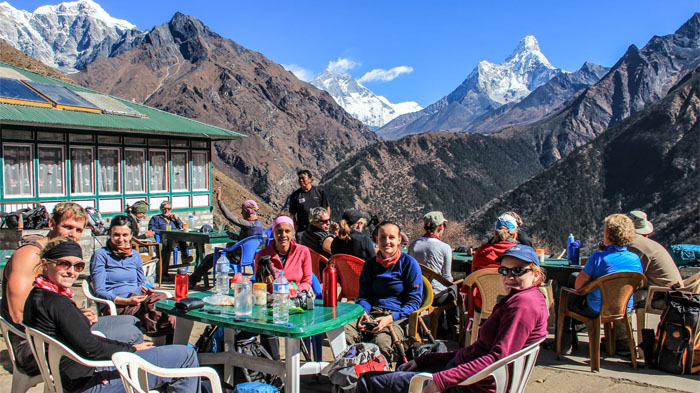
For adventure travelers, the mountains are more than just scenic backdrops; they're formidable challenges, demanding respect, skill, and a healthy dose of courage. If you're seeking experiences that will test your mettle and reward you with breathtaking views and unforgettable memories, look no further. Vistalocation.com is about to unleash three visually stunning and intensely challenging mountain adventures that will leave you breathless. From the historic heights of the Italian Dolomites to the glacial expanses of the Alps and the storm-sculpted peaks of Patagonia, prepare to push your limits and discover what you're truly capable of.
Conquer the Iron Way: Via Ferrata Ivano Dibona, Dolomites, Italy
Imagine scaling sheer rock faces, traversing exposed ledges, and crossing dizzying suspension bridges, all while surrounded by the towering peaks of the Dolomites. The Via Ferrata Ivano Dibona, a historic "iron way," offers precisely that. This isn't a casual hike; it's a demanding climb that requires experience, proper gear, and a head for heights.
The Ivano Dibona dates back to World War I when Italian soldiers constructed it to move troops and supplies through the treacherous mountain terrain. Today, it stands as a testament to human ingenuity and a thrilling challenge for modern-day adventurers. The route features exposed traverses with dramatic drop-offs, several suspension bridges (including an iconic one spanning a deep chasm), and steep climbs aided by metal rungs and cables bolted into the rock. Rockfall is a hazard so wearing a helmet at all times is critical.
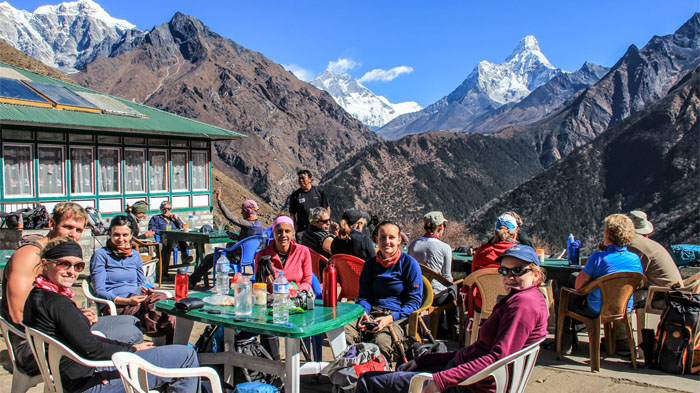
Route Map and Key Landmarks:
While a detailed map is essential for navigation, here's a general overview of the route:
- Starting Point: Usually accessed from Misurina Lake. Consider taking a cable car to Passo Son Forca to save some initial climbing.
- Rifugio Lorenzi: A mountain hut offering a respite and stunning views.
- The Iconic Suspension Bridge: The most famous feature of the route, spanning a significant gap with incredible exposure.
- Summit: Reaching the top offers panoramic views of the surrounding Dolomites.
Technical Skill and Gear Requirements:
This is not for beginners. You must be an experienced climber with a solid understanding of via ferrata techniques. Mandatory gear includes:
- Harness: A properly fitted climbing harness.
- Helmet: Crucial for protection against rockfall.
- Via Ferrata Set: Energy-absorbing lanyards with specialized carabiners designed for via ferrata.
- Climbing Gloves: Protect your hands and improve grip.
Practical Information:
- Best Time to Climb: Summer months (June-September) offer the most favorable weather conditions.
- Access Points: Misurina Lake is the most common access point.
- Accommodation: Cortina d'Ampezzo offers a wide range of hotels and guesthouses.
- Gear Rental: Sport Werner and Noleggio Ski Bertoldi are reputable gear rental shops in Cortina.
Haute Route Winter Traverse: Ski Touring from Chamonix to Zermatt
The Haute Route, a legendary ski touring traverse from Chamonix, France, to Zermatt, Switzerland, is the ultimate test of ski mountaineering prowess. Forget leisurely slopes and cozy ski resorts; this is a true wilderness expedition demanding advanced skills, unwavering determination, and a deep respect for the mountains. This traverse is a winter undertaking, exponentially increasing the challenge and requiring expert avalanche safety knowledge and glacier travel expertise.
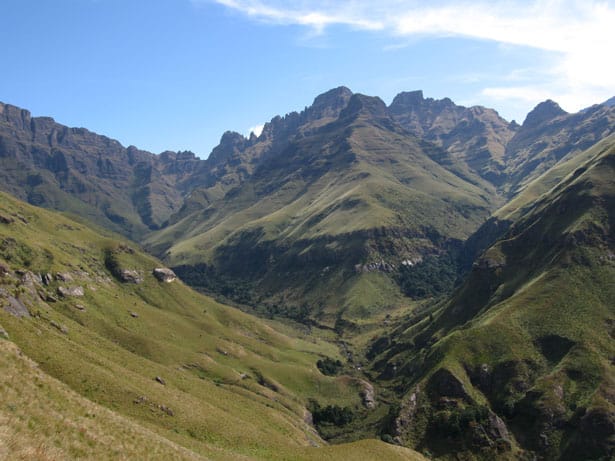
A Glimpse into the Itinerary:
Each day brings new challenges and rewards. This is just a sample itinerary, and variations exist.
- Day 1: Chamonix to Argentière to Cabane du Trient (Switzerland).
- Day 2: Cabane du Trient to Cabane des Dix, passing over the Col de Cheilon.
- Day 3: Cabane des Dix to Cabane des Vignettes.
- Day 4: Cabane des Vignettes to Zermatt.
Key mountain huts along the way, such as Cabane du Mont Fort, Dix Hut, and Schoenbielhutte, provide vital shelter and sustenance.
Specific Challenges:
- Crevasse Danger: Glaciers are riddled with hidden crevasses, requiring careful navigation and rope techniques.
- Navigating in Whiteout Conditions: Whiteouts can disorient even the most experienced mountaineers, demanding expert map and compass skills.
- Altitude Sickness: The high altitude can lead to altitude sickness, requiring acclimatization and careful monitoring.
- Avalanche Danger: A significant concern that requires assessment skills.
Essential Gear:
- Touring Skis with Skins: For efficient uphill travel.
- Avalanche Transceiver, Probe, Shovel: Essential for avalanche rescue.
- Harness, Ice Axe, Crampons: For glacier travel and steep ascents/descents.
- Rope: For glacier travel and crevasse rescue.
Hiring a Guide and Weather Forecasting:
Due to the inherent risks, hiring a certified mountain guide is highly recommended. A guide can provide invaluable expertise in navigation, avalanche safety, and crevasse rescue. Closely monitoring weather forecasts is also crucial.
Resources:
- Avalanche Safety Courses: Check out Avalanche Canada or ANENA (France) for courses and resources.
- Mountain Guide Services: Chamex (Chamonix) and Zermatters (Zermatt) are reputable mountain guide services.
Patagonia's Storm Sculpted Giants: Cerro Torre and Fitz Roy Ranges
Patagonia is a land of superlatives: the most dramatic landscapes, the most unpredictable weather, and some of the most challenging mountains on Earth. The Cerro Torre and Fitz Roy ranges stand as testaments to nature's raw power, sculpted by relentless winds and shrouded in swirling mists. Successfully witnessing (and photographing) these peaks requires patience, resilience, and a deep appreciation for the untamed beauty of the Patagonian wilderness.
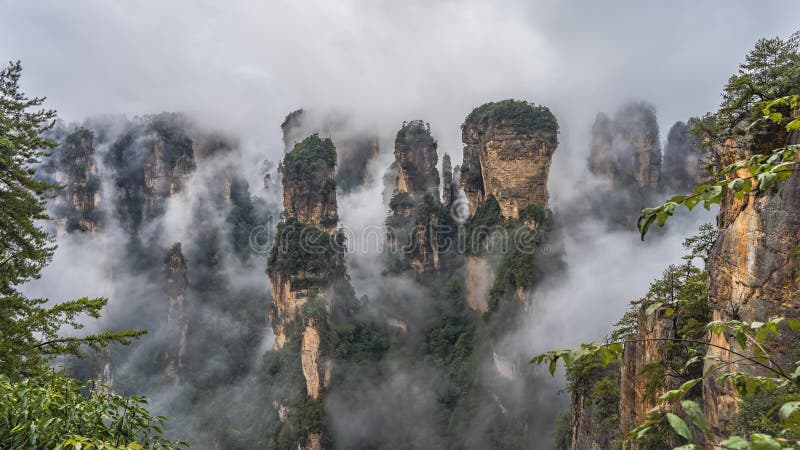
The Weather Factor:
Patagonia's weather is notoriously fickle. Gale-force winds, heavy snowfall, and rapidly changing visibility are the norm. Be prepared for all conditions, regardless of the forecast. The unpredictable environment is part of the allure.
Viewpoints and Trails:
- Laguna de los Tres (for Fitz Roy): A challenging but rewarding hike leading to stunning views of Fitz Roy.
- Laguna Torre (for Cerro Torre): Offers classic perspectives of Cerro Torre, often reflected in the glacial lake.
- Loma del Pliegue Tumbado: A longer trek with panoramic views of both Fitz Roy and Cerro Torre ranges.
A History of Mountaineering:
The history of mountaineering in Patagonia is filled with tales of daring ascents, heroic struggles, and enduring mysteries. Cerro Torre, in particular, has been the subject of controversy, with debates surrounding the first ascent.
Practicalities:
- Trekking Permits: Check park regulations and obtain necessary permits in advance.
- Best Time to Visit: The shoulder seasons (October-November and March-April) offer slightly better weather windows.
- Accommodation: El Chalten is the main base for exploring the Fitz Roy and Cerro Torre ranges.
Resources:
- Weather Forecasting: Windy and Mountain Forecast are reliable weather forecasting websites.
- Local Tour Operators: Walk Patagonia and Fitz Roy Adventures are reputable tour operators in El Chalten.
Ready to Answer the Call of the Wild?
These three mountain experiences are not for the faint of heart. They demand preparation, skill, and a willingness to embrace the challenges that come with venturing into the high mountains. But for those who dare to push their limits, the rewards are immeasurable: breathtaking views, unforgettable memories, and a profound sense of accomplishment.
What are you waiting for? Start planning your next adventure with Vistalocation.com today!