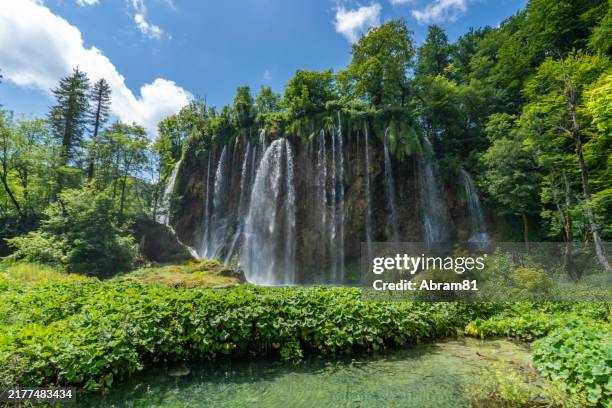
Plitvice Lakes: A Wildlife Photographer's Guide...
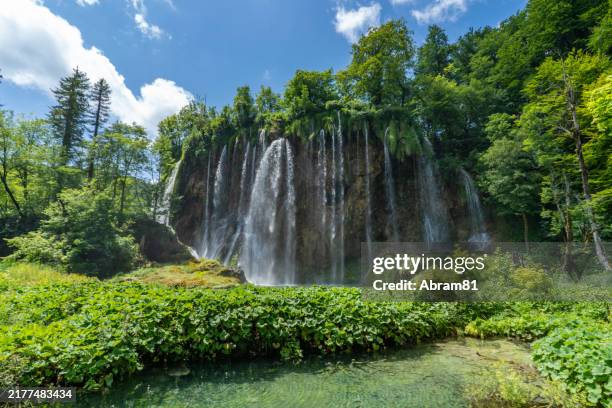
As a wildlife photographer and conservationist, I’ve traveled the globe, but few places have captured my heart quite like Plitvice Lakes National Park in Croatia. The sheer spectacle of sixteen interconnected lakes cascading down tufa barriers, creating a symphony of waterfalls and a palette of the most vibrant turquoise hues imaginable, is simply breathtaking. These unique geological formations, the tufa barriers, are incredibly fragile and require our utmost respect. Responsible access is paramount, which is why obtaining the necessary permits for activities like stand-up paddleboarding on Lake Kozjak, or even just focused photography, is so vital. It was an unforgettable experience.
Sustainable Tourism Practices in Plitvice Lakes
My commitment to sustainable tourism guides every aspect of my travels, and my week in Plitvice Lakes was no exception. I chose to stay at a small, family-run guesthouse just outside the park. "Eco-Lodge Plitvice" not only provided comfortable accommodation, but they also utilize solar power and source the majority of their food from local farms. Supporting small businesses like this is a key component of responsible travel.
Beyond accommodation, minimizing my environmental impact was a constant consideration. I strictly adhered to designated trails, ensuring I didn’t disturb the delicate ecosystems surrounding the lakes. Of course, I packed out all my trash, leaving no trace of my presence. Even seemingly small details, like using reef-safe sunscreen (Raw Elements is a trusted brand) are important when swimming in the lakes. This dedication allowed me to appreciate the beauty of Plitvice Lakes, knowing I was doing my part to protect it.
Wildlife Photography in Plitvice: A Patient Pursuit
Photographing the wildlife of Plitvice Lakes was a challenging but incredibly rewarding experience. I came prepared with my Sony Alpha 1, paired with the versatile Sony FE 200-600mm f/5.6-6.3 G OSS lens, ideal for capturing distant subjects in their natural habitat. For aerial perspectives (in permitted zones and always adhering to strict park regulations!), I used my DJI Mavic 3 Pro drone.
My primary goal was to photograph some of the park's iconic wildlife: the elusive European brown bear, the gray wolf, and the secretive lynx. While I didn't manage to get the perfect shot of those animals, I did encounter a wealth of birdlife, including the charming white-throated dipper, darting in and out of the waterfalls. One of my most memorable experiences involved patiently waiting for hours, hidden amongst the foliage, hoping to catch a glimpse of a vibrantly colored European roller. After what felt like an eternity, one finally landed on a nearby branch, allowing me to capture a stunning series of images.
It's crucial to remember that ethical wildlife photography is paramount. That means maintaining a safe distance from animals, never feeding them (which can disrupt their natural behavior and make them dependent on humans), and always respecting their natural habitat. The goal is to capture stunning images without causing any harm or disturbance to the wildlife.
The Plitvice Lakes Marathon: Sport and Nature
During my visit, I had the opportunity to witness the Plitvice Lakes Marathon, which takes place as part of "Ljeto u Plitvicama" (Summer in Plitvice). It was inspiring to see so many people challenging themselves physically while surrounded by such breathtaking beauty.
The marathon route is truly spectacular. Starting near Hotel Jezero, it winds its way through the park, passing alongside the glistening waters of Lake Milanovac and then climbing towards the higher lakes. The elevation gain is significant, adding an extra layer of challenge for the runners, but the stunning views more than compensate for the effort. It’s an event that perfectly blends the thrill of sport with a deep appreciation for the natural world.
Croatian Cuisine: A Taste of Tradition
No trip to Croatia is complete without indulging in the local cuisine. I started my culinary journey with štrukli, a delicious baked cheese pastry, from a local bakery just outside the park. Further afield in Korenica, I savored janjetina s ražnja, roasted lamb on a spit, at a traditional restaurant. And I couldn't resist trying fritule, small fried doughnuts, from a local market.
I also made a point of sourcing local ingredients directly from nearby family farms. I found the most incredible honey and cheeses, knowing that by supporting these small producers, I was contributing to the local economy and preserving traditional farming practices.
Ljeto u Plitvicama: Celebrating Croatian Culture
"Ljeto u Plitvicama" (Summer in Plitvice) is a vibrant cultural event that takes place throughout the summer months. I was fortunate enough to attend several traditional music performances, including a mesmerizing performance of the linđo dance, a lively folk dance from the Dubrovnik region. The craft fairs were a treasure trove of local artistry, showcasing the skills of talented artisans. And the folklore presentations offered a fascinating glimpse into Croatian traditions.
The Bioluminescent Forest (and a Rare Sighting)
One of the most magical experiences of my trip was a nighttime hike to photograph the bio-luminescent fungi in the park’s forests. After obtaining the necessary permits from Park Authorities, I ventured out to observe this phenomenon. The Mycena lux-coeli, a specific species of fungi, emits a faint, ethereal glow, creating an otherworldly atmosphere. This bioluminescence is the result of a fascinating chemical reaction involving luciferin and luciferase.
To document this phenomenon without disturbing the delicate ecosystem, I used a red-light headlamp (which minimizes disruption to nocturnal wildlife) and stayed strictly on marked trails. I also deployed a Bushnell CelluCORE 20 camera trap, hoping to capture images of any nocturnal animals that might be drawn to the bioluminescence.
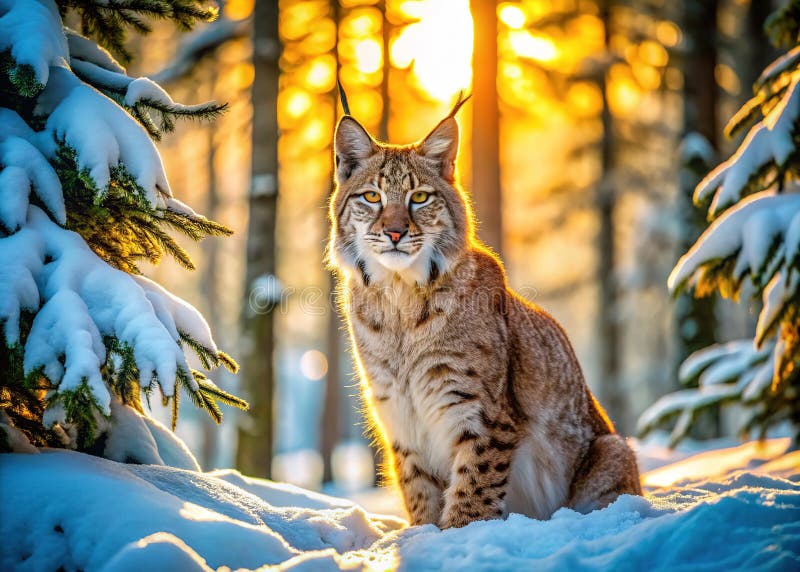
Words cannot describe the emotions I felt when I reviewed the camera trap footage and saw a European Lynx, in its natural habitat, illuminated by the faint, ethereal glow of the Mycena lux-coeli. It was a truly magical and humbling moment.
<video width="100%" controls>
  <source src="https://your-video-hosting-platform.com/bioluminescent_lynx.mp4" type="video/mp4">
  Your browser does not support the video tag.
</video>
Protecting Plitvice Lakes for Future Generations
Plitvice Lakes National Park is a treasure that must be preserved for future generations. We all have a role to play in ensuring its long-term health and vitality.
As Park Ranger Marko Kovačević wisely stated, "Sustainable tourism is not just a buzzword; it's a necessity. We must find a balance between allowing visitors to experience the beauty of Plitvice Lakes and protecting the fragile ecosystems that make it so unique."
I encourage you to support Plitvice Lakes National Park by donating to the Plitvice Lakes National Park preservation fund or participating in the citizen science initiative to monitor water quality. Even small actions can make a big difference.
My most memorable moment from this trip was undoubtedly witnessing the European Lynx in the bioluminescent forest. It was a powerful reminder of the magic and wonder that exists in the natural world, and a renewed commitment to continue my work in conservation. I hope you are inspired to see Plitvice Lakes for yourself, and to do so responsibly.