Penang Food Heritage: A Taste of Multicultural M...
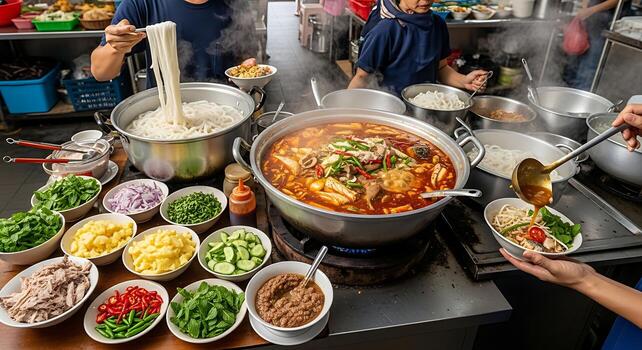
Penang, a vibrant island off the coast of Malaysia, is renowned for its Penang street food culture. More than just a culinary destination, Penang's cuisine tells a story of cultural fusion. The island's history as a bustling port has created a unique blend of Malay, Chinese, Indian, and European influences, all reflected in its iconic dishes. This post explores the food heritage of Penang, specifically through three beloved staples: Assam Laksa, Char Kway Teow, and Cendol, and how each reveals the island's multicultural soul. The exploration of authentic Penang cuisine offers a glimpse into the rich tapestry of cultures that have shaped this Malaysian gem.
Assam Laksa: A Tangy Tale of Trade and Tradition
Assam Laksa, a sour fish-based noodle soup, is perhaps the most iconic of Penang's culinary offerings. The dish showcases the island's history of trade and cultural exchange. "Asam" refers to tamarind, a key ingredient that lends the soup its distinctive tangy flavor. The broth is typically made with mackerel, which is simmered and flaked to create a rich and flavorful base. Lemongrass, galangal, chilies, and other aromatic herbs and spices add complexity and depth. Thick rice noodles, known as laksa noodles, are then added, along with shredded cucumber, onions, pineapple, mint, and a dollop of thick, sweet shrimp paste (hae ko).
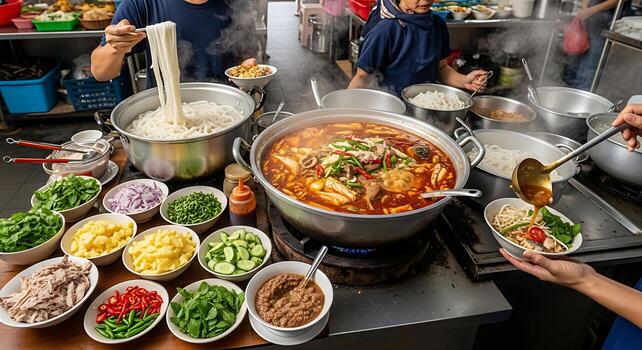
The origins of Assam Laksa are debated, but most food historians agree that it's a fusion dish, with Malay and Chinese influences. The use of fish and tamarind is common in Malay cuisine, while the noodles and some of the spices reflect Chinese culinary traditions. This blend is a testament to the interaction between these cultures in Penang over centuries. What are the cultural roots of Assam Laksa? Its roots lie in the blending of Malay and Chinese culinary traditions, born from centuries of trade and cultural exchange in Penang.
The Secret to Authentic Assam Laksa: Local Ingredients
The key to a truly authentic Assam Laksa lies in the quality of the ingredients. Fresh mackerel is essential for a flavorful broth, and the tamarind must be of good quality to provide the right balance of sourness. The herbs and spices should also be fresh and fragrant. Many hawkers use family recipes passed down for generations, ensuring the preservation of Assam Laksa history and traditional flavors.
Char Kway Teow: A Culinary Adaptation
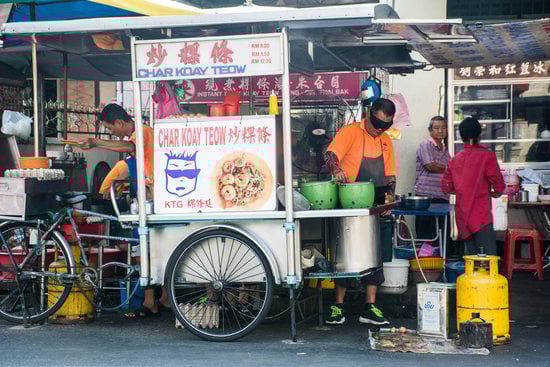
Char Kway Teow, meaning "stir-fried rice cake strips," is another Penang staple that reflects the island's multicultural heritage. This dish consists of flat rice noodles stir-fried in a hot wok with prawns, cockles, Chinese sausage, bean sprouts, chives, and eggs. The stir-fry is seasoned with soy sauce, chili paste, and a hint of sweet dark soy sauce.
The story of Char Kway Teow origins is rooted in necessity and resourcefulness. It's believed that the dish was originally created by poor Chinese immigrants who used leftover ingredients to make a cheap and filling meal. Over time, the dish evolved, incorporating Malay and Indonesian ingredients, such as chili paste and the use of seafood.
The Wok Hei Factor: Mastering the Art of Char Kway Teow
The "wok hei," or "breath of the wok," is a crucial element in a good Char Kway Teow. This refers to the smoky flavor imparted by the intense heat of the wok, which sears the ingredients and creates a complex and aromatic dish. Penang Hawker Food Stories often revolve around the mastery of "wok hei" passed down through generations.
Cendol: A Sweet Symbol of Shared Pleasure
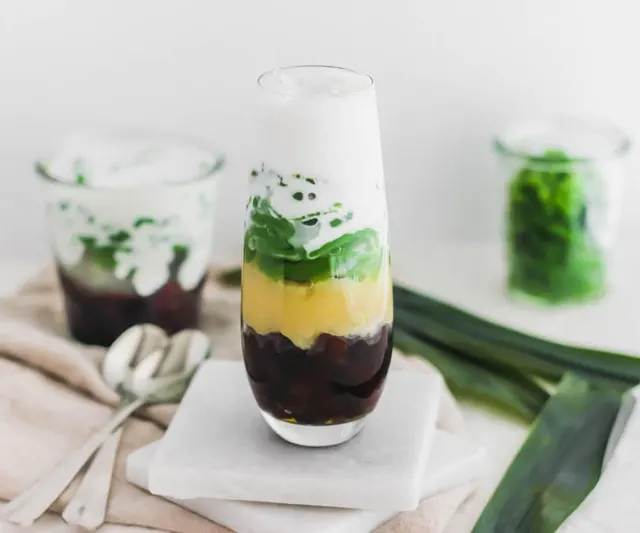
Cendol is a refreshing dessert that embodies the island's diverse population and shared love of simple pleasures. The dessert consists of shaved ice, green rice flour jelly (cendol), coconut milk, and gula melaka (palm sugar). Sometimes, red beans, glutinous rice, or sweet corn are added for extra flavor and texture.
The origins of Cendol are uncertain, but it's believed to have originated in Java, Indonesia. From there, it spread throughout Southeast Asia, with each region developing its own unique variations. In Penang, Cendol is a ubiquitous dessert, enjoyed by people of all ethnicities and backgrounds. Why is Cendol so popular in Penang? Because its sweet, refreshing taste is a simple pleasure shared by everyone, transcending cultural barriers.
From Humble Ingredients to a Beloved Treat
The beauty of Cendol lies in its simplicity. The ingredients are inexpensive and readily available, yet when combined, they create a delicious and satisfying treat. The green rice flour jelly is typically made from scratch, using pandan leaves to impart a natural green color and aroma. Gula melaka, a type of palm sugar, adds a rich, caramel-like flavor that complements the coconut milk and shaved ice. Observing the Cendol making process reveals a dedication to simplicity and fresh ingredients.
The Enduring Appeal of Penang's Food
These three dishes – Assam Laksa, Char Kway Teow, and Cendol – are just a small sample of the diverse and delicious cuisine that Penang has to offer. They serve as a testament to the island's rich multicultural heritage and the enduring power of food to bring people together. To truly immerse yourself in the Penang food heritage, consider joining a Vistalocation Penang Food Tour. Discover authentic Penang cuisine and experience the Penang street food culture for yourself!