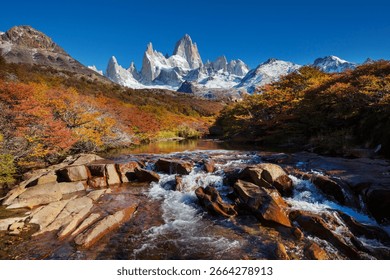
Patagonia Through My Lens: A Photographer's Revi...
Patagonia. The name itself conjures images of towering mountains, vast glaciers, and windswept plains. As a landscape photographer, I, Javier (@JavierTheLens on Instagram), had dreamt of capturing its raw beauty for years. Finally, that dream became a reality. Armed with my trusty Sony a7R IV, a workhorse for detail, a 16-35mm f/2.8 GM lens to capture the sweeping vistas, and a sturdy Gitzo tripod to combat the infamous Patagonian winds, I embarked on an adventure to El Chalten and El Calafate in Argentina. My initial impression? Overwhelming. The sheer scale of everything is humbling, a stark reminder of nature's power. Join me as I share my experiences and tips for photographing this incredible region. Thinking of visiting Patagonia? Vistalocation.com has fantastic booking options for your trip!
Chasing Sunrise on Mount Fitz Roy: A Test of Patience
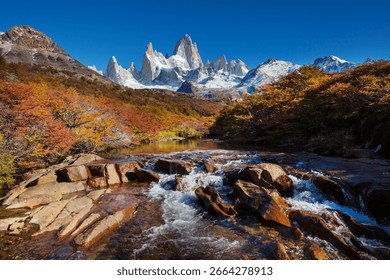
The elusive alpenglow on Mount Fitz Roy, finally captured after a long and challenging morning.
One of the main reasons I came to El Chalten was to photograph Mount Fitz Roy, the iconic jagged peak that dominates the skyline. I booked a guided sunrise shoot, knowing that local expertise would be invaluable. The pre-dawn hike was…brisk, to say the least. The air was crisp, and the wind was already picking up. Reaching the viewpoint, I scrambled to set up my equipment, battling gusts that threatened to send my tripod tumbling. The wind in Patagonia is no joke; a sturdy tripod is an absolute must!
My goal was to capture the alpenglow, that magical light that paints the mountain peaks in fiery hues just before sunrise. I experimented with long exposure techniques, aiming for smooth, ethereal skies and sharp details on the granite face. Frustration mounted as thick clouds stubbornly clung to the summit, obscuring the view. Just as I was about to give up, a sliver of light broke through, igniting the peak in a brilliant orange glow. Click! I managed to capture a usable image, a testament to perseverance and a bit of luck. The camera settings were f/8, ISO 100, and a shutter speed of 30 seconds to smooth out the water and clouds. Photographing Patagonia sunrise requires patience.
Essential Tip:
- Invest in a high-quality, heavy-duty tripod. The Patagonian winds are relentless, and a flimsy tripod will be useless. Consider a model with a hook to add extra weight for stability.
Ice Trekking on Perito Moreno Glacier: A Frozen Wonderland
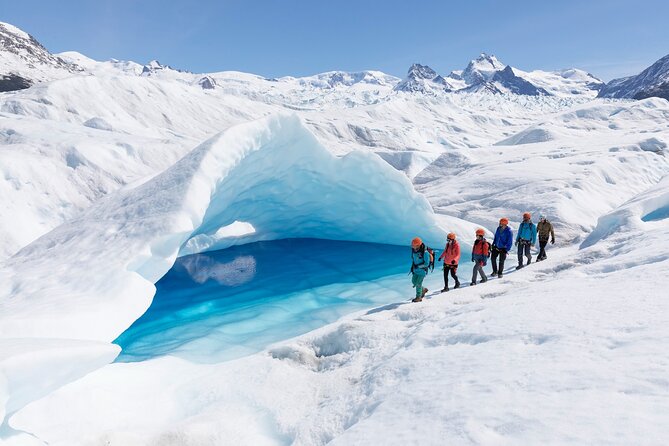
The intense blue of the Perito Moreno Glacier, captured during an ice trekking adventure.
Moving on to El Calafate, I couldn't miss the opportunity to walk on the Perito Moreno Glacier, one of the world's most accessible and dynamic glaciers. The intensely blue ice was mesmerizing, unlike anything I'd ever seen. Photographing it presented unique challenges. The bright, reflective surface required careful exposure compensation to avoid blown-out highlights. I experimented with different angles and compositions, trying to capture the texture and depth of the ice formations.
I also set up a time-lapse to capture the calving of the glacier, a dramatic event where massive chunks of ice break off and plunge into the lake. I used an interval of 5 seconds, hoping to capture enough frames to create a smooth and compelling time-lapse video. The settings I landed on were an aperture of f/11 to maximize depth of field, ISO 200 to maintain image quality in the bright light, and a shutter speed of 1/250th of a second. The hardest part was waiting and hoping a big chunk would fall!
Key Challenges and Solutions:
- Shooting in bright, reflective environments: Use a polarizing filter to reduce glare and increase color saturation. Be mindful of your exposure settings and use the histogram to ensure you're not clipping highlights.
- Capturing glacier calving: Patience is key! Set up your camera, choose your composition, and wait for the action to happen. A time-lapse can be a great way to capture this dramatic event.
A Day at a Remote Estancia: Gauchos, Asado, and Calafate Sour Dreams
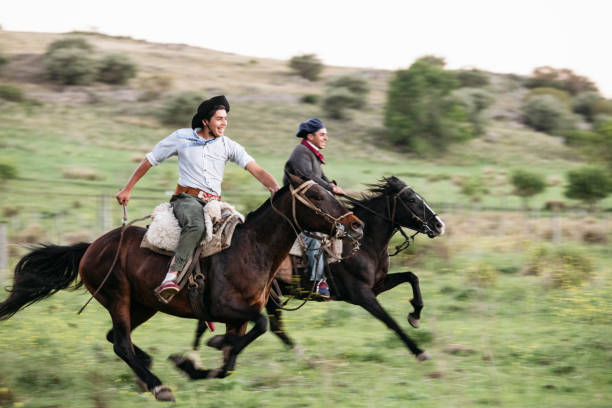
Venturing away from the well-trodden tourist paths, I visited a remote estancia (ranch) to experience the gaucho culture firsthand. This provided a completely different photographic opportunity. I focused on capturing candid shots of the gauchos working with horses and tending to sheep. Their faces, etched with years of hard work under the Patagonian sun, told stories of resilience and tradition.
Of course, no visit to an estancia is complete without experiencing an Argentinian BBQ, or Asado. I tried to capture the essence of the Asado, the smoke rising from the grill, the flames licking at the meat, the faces of the gauchos around the fire. It was a feast for the senses and a photographer's delight. I shot a burst of images at 1/500 sec, F2.8, and ISO 4000 just to freeze all the action.
I also attempted the iconic shot of the local Calafate Sour cocktail with the glacier as a blurred background. After numerous failed attempts, struggling to get the focus and composition right, I finally gave up. Some shots are best left to stories! It made it to my Instagram story, but not to my portfolio!
Photographic Opportunities:
- Gauchos: Look for candid moments that capture their work, their connection with animals, and their expressions.
- Asado: Focus on the fire, the smoke, the meat, and the people gathered around the grill.
- Estancia Life: Capture the details of daily life on the ranch, from the tools they use to the landscapes they inhabit.
Taming the Vastness: Photographing the Patagonian Steppe
A panoramic view of the Patagonian steppe, showcasing the vastness and scale of the landscape.
The Patagonian steppe, a seemingly endless expanse of grasslands, presents a unique photographic challenge: capturing its sheer scale. I attempted to create panoramic images to convey the vastness of the landscape, but even that felt inadequate. The constantly changing light added another layer of complexity. One moment, the sun would be shining brightly, casting long shadows across the plains; the next, a cloud would roll in, plunging everything into a muted gray. I needed to adapt quickly, constantly adjusting my settings and composition to make the most of the available light. For the steppe the ideal settings were f/16 for maximum sharpness, ISO 100 to preserve detail, and shutter speed varied from 1/60th to 1/250th of a second depending on the light.
Tips for Capturing Scale:
- Use a wide-angle lens: This will allow you to capture more of the landscape in a single frame.
- Create panoramic images: Stitch together multiple images to create a wider field of view.
- Include a foreground element: A rock, a bush, or even a person can provide a sense of scale and perspective.
Patagonia: A Photographer's Paradise (and Challenge)
Patagonia is a photographic destination unlike any other. Its raw beauty, dramatic landscapes, and unpredictable weather present both unique challenges and incredible rewards. The wind will test your patience, the light will keep you on your toes, and the sheer scale of everything will leave you in awe. But the images you capture will be worth every ounce of effort. From photographing alpenglow on Fitz Roy in Autumn to experimenting with night photography Milky Way Patagonia, there's always something new to discover.
If you're a photographer looking for an adventure, I urge you to visit Patagonia. It's a place that will stay with you long after you've packed your bags and returned home.
Ready to book your trip to Patagonia? Visit vistalocation.com for amazing deals and information! And don't forget to follow my adventures on Instagram @JavierTheLens for more photographic inspiration!