Parma: A Taste of Italian Excellence - Parmigian...
Parma, nestled in the heart of the Emilia-Romagna region, is rightfully known as Italy's "Food Valley." This enchanting city is a haven for culinary enthusiasts, celebrated for its exceptional gastronomic heritage. Home to world-renowned, protected designation of origin (PDO) products like Parmigiano-Reggiano cheese, Prosciutto di Parma, and the effervescent Lambrusco wine, Parma offers a symphony of flavors that tantalize the taste buds and create unforgettable experiences. A Parma Italy food tour is a must for any serious foodie! Come explore the city where culinary tradition meets unparalleled quality.
Parmigiano-Reggiano: The King of Cheese
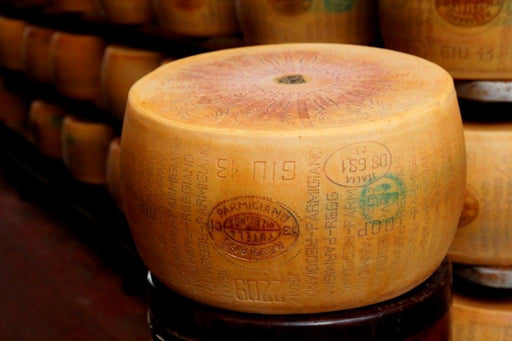
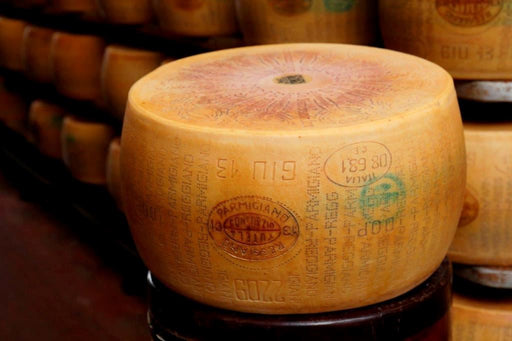
Parmigiano-Reggiano, often hailed as the "King of Cheeses," is more than just an ingredient; it's a testament to Italian craftsmanship and tradition. The cheese-making process, virtually unchanged for centuries, begins with raw, unpasteurized milk from cows fed a specific diet of locally grown forage. Every morning and evening, fresh milk is delivered to the cheese factory and poured into copper vats. Natural whey, rich with lactic ferments from the previous day’s production, is added to the milk, beginning the coagulation process.
The curd is then carefully broken down into small granules using a traditional tool called a spino. The vat is heated, and the granules sink to the bottom, forming a compact mass. This mass is then lifted out, cut into two halves, and wrapped in cheesecloth before being placed in molds. Each wheel is marked with its production number, the date, and the mark of the Consorzio del Formaggio Parmigiano-Reggiano.
The Aging Process: A Symphony of Flavors
The aging process is where Parmigiano-Reggiano truly develops its unique character. The wheels are first immersed in brine for several weeks, allowing them to absorb salt, which acts as a natural preservative and contributes to the cheese's distinct flavor. Following the brining, the wheels are moved to aging rooms, where they rest on wooden shelves for a minimum of 12 months, often extending to 36 months or even longer.
- 12-18 Months ("Fresco"): At this stage, the Parmigiano-Reggiano is considered fresco (fresh). It boasts a milky, delicate flavor with subtle grassy notes. Its texture is relatively soft and smooth.
- 24 Months: As the cheese matures to 24 months, its flavor profile becomes more complex and balanced. Nutty undertones emerge, and the texture becomes slightly more granular. This is a versatile age, perfect for grating over pasta or enjoying with balsamic vinegar.
- 30-36+ Months: With extended aging, the Parmigiano-Reggiano develops an intense, nutty, and slightly spicy flavor. The texture becomes distinctly crystalline, with the appearance of small, crunchy tyrosine crystals. These crystals are a sign of high-quality, well-aged cheese. Parmigiano Reggiano aging process explained is a fascinating study.
The Consorzio del Formaggio Parmigiano-Reggiano
The Consorzio del Formaggio Parmigiano-Reggiano plays a vital role in maintaining the quality and authenticity of this iconic cheese. The Consortium sets strict standards for every stage of production, from the cows' diet to the aging process. Only cheese that meets these stringent requirements can bear the official Parmigiano-Reggiano seal, ensuring that consumers receive a genuine and exceptional product. A Parmigiano Reggiano factory tour Parma will give you insight into this process!
Prosciutto di Parma: The Sweetness of Time
Prosciutto di Parma, another jewel in Parma's culinary crown, is a dry-cured ham renowned for its delicate sweetness and melt-in-your-mouth texture. The production of this exquisite ham is governed by strict regulations, ensuring its exceptional quality and unique characteristics.
From Pig to Prosciutto: A Rigorous Process
Only specific breeds of pigs – Large White, Landrace, and Duroc – raised in designated regions of Italy are permitted for Prosciutto di Parma production. The pigs must follow a specific diet, contributing to the ham's distinctive flavor. The curing process begins with carefully selected legs of pork, which are trimmed and massaged by expert salatori (salters). The legs are then lightly salted and refrigerated for several weeks.
The next stage involves washing and drying the hams, followed by the application of sugna, a mixture of lard and salt, which helps to prevent the ham from drying out too quickly. The hams are then hung in well-ventilated cellars, where they undergo a slow and natural curing process that lasts a minimum of 12 months. The climate around Parma, with its cool, humid winters and warm, dry summers, plays a crucial role in the curing process.
The Ducal Crown: A Symbol of Authenticity
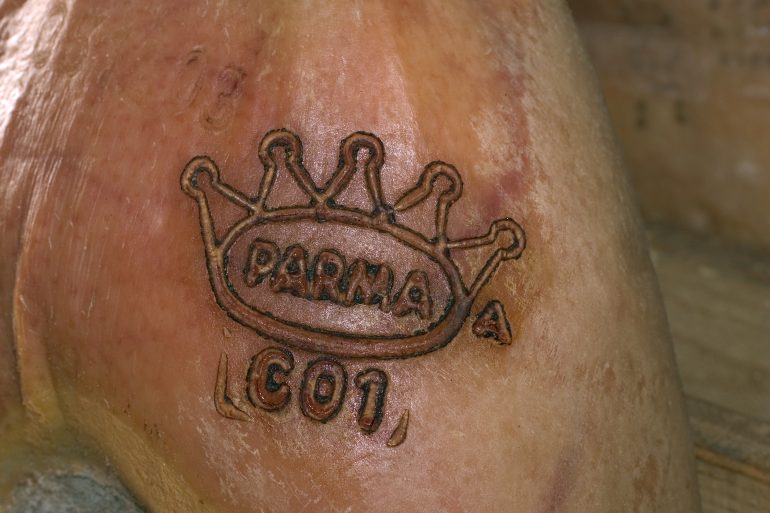
Authentic Prosciutto di Parma is easily identifiable by the five-pointed Ducal Crown brand, which is fire-branded onto the center of the ham. This mark serves as a guarantee of authenticity, assuring consumers that the ham has been produced according to the strict regulations of the Consorzio del Prosciutto di Parma. You can find Prosciutto di Parma DOP certification explained on the Consorzio website. A Prosciutto di Parma tasting tour is a great way to experience the difference!
The "Sugna": A Secret Ingredient
The application of sugna, a meticulously prepared mixture of lard and salt, is a critical step in the production of Prosciutto di Parma. This mixture is carefully applied to the exposed muscle of the ham, preventing it from drying out too rapidly during the long curing process. The sugna also contributes to the ham's characteristic flavor and texture, creating a perfectly balanced sweetness and tenderness.
Lambrusco: The Sparkling Wine of Emilia-Romagna
Lambrusco, the sparkling red wine of Emilia-Romagna, is the perfect accompaniment to the region's rich cuisine. Often misunderstood, Lambrusco is a versatile wine that ranges from dry and complex to fruity and slightly sweet. There are several different types of Lambrusco, each with its unique characteristics and flavor profile.
- Lambrusco Salamino: Known for its fruity and slightly sweet character, Lambrusco Salamino pairs beautifully with rich, savory dishes such as tortelli d'erbetta, a traditional pasta filled with ricotta and spinach.
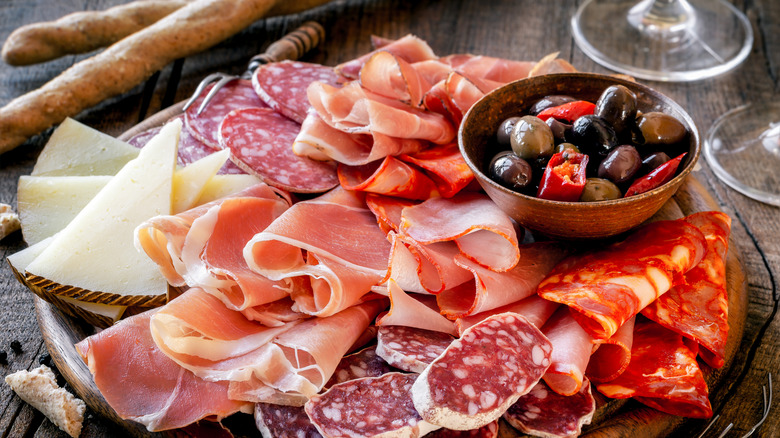
- Lambrusco Grasparossa: This bolder style of Lambrusco offers dark fruit and earthy notes, making it an excellent match for cured meats like Prosciutto di Parma and other hearty dishes.
- Lambrusco Sorbara: With its lighter body and citrus notes, Lambrusco Sorbara is a refreshing choice that pairs well with seafood from nearby coastal areas.
Explore the Lambrusco wine region Parma offers many opportunities. Each sip of Lambrusco tells a story of the land, the grapes, and the winemaking traditions that have shaped this unique wine. What kind of Lambrusco is best for food pairings? depends on your personal preferences!
Trattoria del Tribunale: A Parmigiano-Reggiano Paradise
For an authentic taste of Parma, head to Trattoria del Tribunale. This restaurant is renowned for its traditional Parmigiano-Reggiano focused menu, showcasing the cheese in all its glory.
- Flan di Parmigiano: Indulge in the delicate "flan di parmigiano," a savory custard made with Parmigiano-Reggiano and served with a drizzle of balsamic glaze.
- Risotto al Parmigiano: Experience the ultimate comfort food with the "risotto al parmigiano," a creamy risotto served inside a hollowed-out Parmigiano-Reggiano wheel.
In addition to its Parmigiano-Reggiano specialties, Trattoria del Tribunale also offers other regional delicacies such as "anolini in brodo," small pasta filled with beef in a savory broth. This restaurant is a must-visit for anyone seeking an authentic and unforgettable culinary experience in Parma. It truly represents the Best restaurants in Parma Italy that offer traditional experiences.
Parma's Culinary Legacy: A History of Flavor
The history and cultural significance of Parmigiano-Reggiano, Prosciutto di Parma, and Lambrusco are deeply intertwined with the Parma region. These products have shaped the local economy and culinary identity for centuries, becoming integral to the region's cultural heritage. The knowledge and skills required to produce these delicacies have been passed down through generations, preserving the traditions and ensuring the continued excellence of Parma's culinary offerings. Traditional Parma cuisine is more than just food; it's a way of life.
Parma's dedication to preserving its culinary traditions has earned it the prestigious title of UNESCO Creative City of Gastronomy. This recognition celebrates the city's commitment to promoting its unique food culture and supporting local producers.
Plan Your Culinary Adventure in Parma
Parma is a culinary paradise waiting to be explored. From the aroma of aging Parmigiano-Reggiano to the sweet taste of Prosciutto di Parma and the effervescence of Lambrusco, Parma offers a symphony of flavors that will captivate your senses. Plan your own food-focused trip to Parma and discover the secrets of this gastronomic wonderland.
For an unforgettable experience, book a food tour of Parma with Parmesan Tours [parmesantours.com], specializing in Parmigiano-Reggiano production tours. Visit vistalocation.com for more travel inspiration and start planning your culinary adventure today!