Paradise Lost
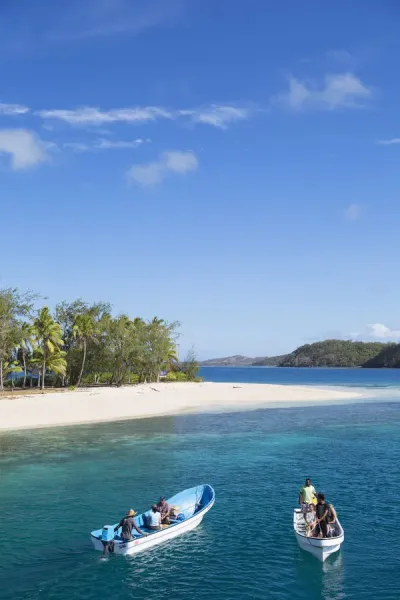
Bula from Fiji! After years of dreaming, I, Sofia Rodriguez, a travel photographer and videographer with a passion for the underwater world and conscious travel, have finally returned to the islands. This trip is more than just another assignment for vistalocation.com; it's a deeply personal journey to reconnect with my Fijian heritage – my grandmother was Fijian – and to document the heartbreaking realities of climate change impacting this fragile paradise, particularly on Nanuya Lailai in the Yasawa Islands. The stark contrast between the idyllic Blue Lagoon I remember from childhood and the present reality is what spurred this trip, a calling I couldn't ignore. Join me as I explore, learn, and share the stories of the people and the reefs fighting for survival.
Snorkeling with Giants: Manta Rays of Nanuya Lailai
The first item on my agenda was a visit to the manta ray cleaning station near Nanuya Lailai. Opting for a local operator committed to responsible tourism was paramount. We were briefed on maintaining a respectful distance, absolutely no touching, and the importance of observing without interfering. It's crucial to support businesses that prioritize the well-being of these magnificent creatures.
The experience was truly awe-inspiring. These gentle giants, some with wingspans of over 12 feet, gracefully glided through the water, their unique spot patterns allowing researchers to identify individuals. Each manta has a unique set of spots on their bellies, like a fingerprint. Witnessing their ballet-like dance as they were cleaned by smaller fish was a humbling reminder of the ocean's intricate ecosystem. Supporting local operators who know the area and follow ethical snorkeling practices is essential for these manta rays.
A Village Visit: Kava, Community, and Climate Concerns
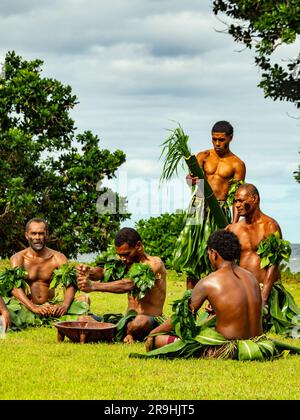
Beyond the breathtaking beauty, my priority was to connect with the local community. I visited a nearby village on Nanuya Lailai, where I was warmly welcomed with a traditional kava ceremony. The kava root is ground into a powder and mixed with water, creating a muddy-looking beverage that induces a mild numbing sensation and promotes relaxation. It's a symbol of respect and connection in Fijian culture. I learned how to participate in a kava ceremony properly and the traditions surrounding it.
More importantly, I had the opportunity to speak with villagers about their experiences with the increasingly visible effects of climate change. "The sea is closer now," said Mere, a village elder. "Our gardens flood more often, and the storms are stronger. We worry about our children's future."
The economic benefits of tourism are vital to the community's survival. By supporting local businesses, buying handicrafts, and participating in cultural experiences, we can directly contribute to their resilience in the face of climate change.
Another villager, Josua, explained how important tourism is to their survival. "Without the visitors, we would not have the money to rebuild after the cyclones or to send our children to school." He went on to add, "We use the land to our benefit, by planting crops. We fish in the sea. Without tourists, we will lose everything."
Tackling Trash: Joining a Beach Cleanup
The evidence of human impact was stark. I joined a local NGO for a beach cleanup, and the sheer volume of plastic pollution was overwhelming. Single-use water bottles, broken fishing gear, and countless microplastics littered the once-pristine sand. This pollution directly threatens marine life, entangling animals and contaminating the food chain.
Participating in a beach cleanup, even for a few hours, is a tangible way to make a difference. Supporting organizations dedicated to waste management and promoting responsible waste disposal is crucial to protecting Fiji's natural beauty.
A Taste of Fiji: Learning to Cook with Local Flavors
A highlight of my trip was learning to prepare traditional Fijian dishes. I took a Fijian cooking class where I immersed myself in the art of Fijian cuisine, focusing specifically on kokoda, the Fijian version of ceviche. The walu (Spanish mackerel) was incredibly fresh, marinated in lime juice and mixed with vegetables and the creamy miti (coconut cream).
We also learned about the lovo, a traditional underground oven. Similar to the hangi of New Zealand and earth ovens in other cultures, the lovo imparts a unique smoky flavor to the food. The method involves heating stones in a fire and then burying the food wrapped in banana leaves on top of the stones.
The unique flavors of Fijian fruits, like via kana (breadfruit) and pawpaw, also play a central role in the local diet. Savoring these fresh, local ingredients was a delicious reminder of the connection between food, culture, and the environment.
Bleached Beauty: The Coral Reefs in Crisis
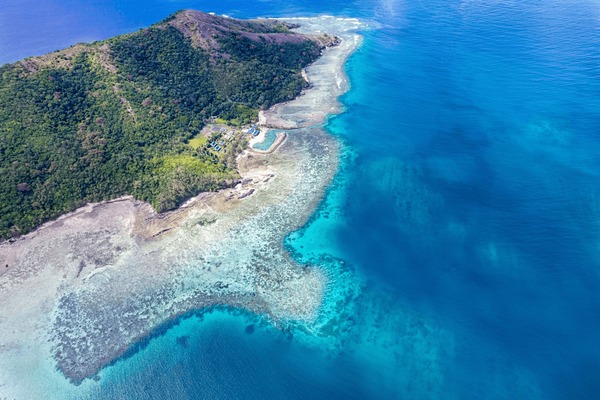
Perhaps the most distressing part of my journey was witnessing the devastating effects of coral bleaching. The vibrant coral reefs I remembered from childhood were now marred by skeletal white patches.
Specific coral species, such as Acropora and Pocillopora, are particularly vulnerable to rising ocean temperatures. Coral bleaching happens when the coral is stressed by high temperatures and expels the algae (zooxanthellae) living in their tissues, causing the coral to turn completely white. The white color is of the calcium carbonate skeleton which becomes visible when the coral tissues become transparent due to lack of the algae. While coral can survive bleaching, they become stressed and are subject to disease.
I spoke with local marine biologists who are working tirelessly to restore damaged reefs. Their efforts include coral nurseries and transplanting healthy coral fragments to degraded areas. Supporting these conservation initiatives is essential to giving Fiji's reefs a fighting chance.
Viral Video Storyboard: "Paradise Lost? Fiji's Fight for Survival"
Here's the storyboard for a short video I'm creating to highlight the beauty and the challenges facing Fiji:
- Title: "Paradise Lost? Fiji's Fight for Survival"
- Concept: Juxtapose the stunning natural beauty of Fiji with the stark realities of climate change, encouraging responsible tourism.
- HOOK (0-3 seconds): Rapidly bursting, crystal-clear turquoise water cascading over pristine white sand, shot in cinematic 4K with golden hour lighting, captured by a GoPro POV shot as I dive headfirst into the ocean.
- SCENE (3-10 seconds): Slow-motion underwater shots showcasing vibrant coral reefs teeming with life: clownfish darting among anemones, sea turtles gliding gracefully, schools of colorful fish swirling around coral formations.
- SCENE (10-15 seconds): Rapidly shift to contrasting scenes of bleached coral, tangled plastic waste on beaches, and villagers pointing to eroded shorelines. Use dramatic shadows and a somber color palette. Show a close-up of a plastic bottle with a Fijian label, half-buried in the sand.
- TWIST (15-20 seconds): Return to me, smiling warmly as I interact with villagers, participates in a beach cleanup, and share a meal with a local family. End with a shot of me planting a coral fragment as part of a restoration project, followed by a call to action: "Travel responsibly. Support local communities. Protect our oceans." Overlay text: #SustainableFiji #ClimateAction.
How Can I Travel Responsibly in the Yasawa Islands?
Here are some practical tips to travel responsibly.
- Support local businesses. Prioritize locally-owned accommodations, restaurants, and tour operators.
- Respect Fijian culture. Learn a few basic Fijian phrases, dress modestly when visiting villages, and participate in cultural activities respectfully.
- Reduce your plastic consumption. Bring a reusable water bottle, say no to single-use plastics, and properly dispose of waste.
- Choose eco-friendly accommodations. Look for resorts that have implemented sustainable practices and conservation initiatives.
- Offset your carbon footprint. Calculate the emissions from your travel and invest in carbon offset programs.
Supporting Local Communities in Nanuya Lailai
Here's how you can help local communities thrive:
- Buy local handicrafts and souvenirs. This helps support local artisans and preserve traditional skills.
- Eat at locally-owned restaurants. This ensures that your money directly benefits the community.
- Participate in community-based tourism activities. Support cultural tours, cooking classes, and village visits that are run by locals.
- Donate to local charities and NGOs. Many organizations are working to address climate change and improve the livelihoods of Fijian communities.
- Respect local customs and traditions. Be mindful of local customs and traditions, and ask for permission before taking photos of people.
What is Fiji doing about climate change?
The government is implementing initiatives such as mangrove planting, coral reef restoration projects, and promoting sustainable agricultural practices. Fiji is also advocating for stronger global action on climate change on the international stage.
Conclusion: A Call to Action
My return to Fiji was a poignant reminder of the beauty and fragility of our planet. The impacts of climate change are undeniable, but the resilience and spirit of the Fijian people are inspiring. We can all make a difference by traveling responsibly, supporting local communities, and advocating for a sustainable future. Let's work together to protect this paradise for generations to come. Bula! And vinaka vakalevu (thank you very much) for joining me on this journey. Learn more about visiting the Yasawa Islands here: Vistalocation.