Papua New Guinea: An Unforgettable Journey of Cu...
Papua New Guinea. The name itself conjures images of vibrant cultures, untouched landscapes, and remote islands. My recent journey to this extraordinary country exceeded all expectations, offering a profound immersion into a world far removed from the ordinary. This Papua New Guinea travel review details my experiences - from the bustling markets of Port Moresby to the tranquil shores of Milne Bay, and the heartbreaking reality facing the Takuu Atoll islanders. It's a journey that left me humbled, inspired, and deeply aware of the urgent need for global action. If you are considering ethical Papua New Guinea tours, this is the place to start.
My adventure began with a somewhat jarring landing in Port Moresby, the capital. After a brief respite, I boarded a tiny, twin-prop aircraft for a domestic flight to Alotau, the capital of Milne Bay Province. The short airstrip loomed large as we descended, the bump-filled touchdown a stark reminder that I was truly off the beaten path. My destination? The renowned Coconut Husk Guesthouse.
Alotau and the Eco-Friendly Charm of Coconut Husk Guesthouse
Nestled amidst lush greenery (GPS coordinates: 10.3157° S, 150.4573° E), the Coconut Husk Guesthouse is a testament to sustainable living. Contact Mama Serafina well in advance, as availability is extremely limited. This solar-powered haven immediately captivated me with its ingenious approach to eco-friendly practices. The heart of its sustainability lies in the innovative composting toilet system. Instead of the expected foul odors, the toilet was surprisingly odorless, thanks to the diligent use of coconut husks which created a naturally absorbing and composting system. It was fascinating to learn about the process and its positive impact on the environment.
The rainwater harvesting system was equally impressive. Showers felt incredibly refreshing, knowing the water was pure and naturally sourced. I learned that this system not only provided clean water for the guesthouse but also reduced their reliance on the local water supply. Wandering through the organic garden was another highlight. The abundance of sweet potatoes and leafy greens spoke volumes about the fertility of the land and the dedication to self-sufficiency. Mama Serafina's commitment to sustainable tourism in Papua New Guinea is truly commendable. For any ecotourists looking for Alotau guesthouses, this is the perfect place to be.
Kokopo and the Magical Bioluminescent Shores of Little Pigeon Island
Leaving the tranquility of Alotau, I ventured to East New Britain, specifically the town of Kokopo. While the region is rich in history and stunning landscapes, it was an evening swim at Little Pigeon Island that truly stole my breath away. The island's shores are renowned for their bioluminescent plankton, specifically Noctiluca scintillans.
As twilight deepened, I waded into the warm water. Suddenly, with each gentle movement, the water erupted in tiny sparks of light. It was like swimming amongst the stars! The effect was especially pronounced at low tide when the concentration of plankton was highest. The science behind this phenomenon is fascinating: wave disturbance and low tide trigger a chemical reaction within the plankton, causing them to emit light as a defense mechanism.
However, local folklore offers a different, more mystical explanation. The islanders believe that these glowing organisms are connected to ancestral spirits, appearing to guide and protect them. Whether viewed through a scientific or spiritual lens, swimming amongst the bioluminescent plankton was an experience I will never forget. To witness bioluminescent plankton in Milne Bay is a real treat! Consider PNG bioluminescent plankton tours if you are planning a visit.
A Mourning Ceremony on Takuu Atoll: A Community Under Threat
The centerpiece of my journey was my visit to the Takuu Atoll islanders, a Polynesian outlier facing the devastating consequences of rising sea levels. Instead of offering a general overview, I want to share a specific experience: attending a traditional mourning ceremony for a recently deceased elder, Chief Mika. This was a profound lesson in Takuu culture and a stark reminder of the human cost of climate change. The impact of rising sea levels on the Takuu Atoll islanders is severe, and their story must be shared.
The air was thick with grief and a palpable sense of community. The rhythmic chanting, led by the women of the clan, filled the air with a haunting melody. Each note was laden with sorrow and respect for the departed chief. I watched, humbled, as they swayed gently, their voices weaving a tapestry of lament.
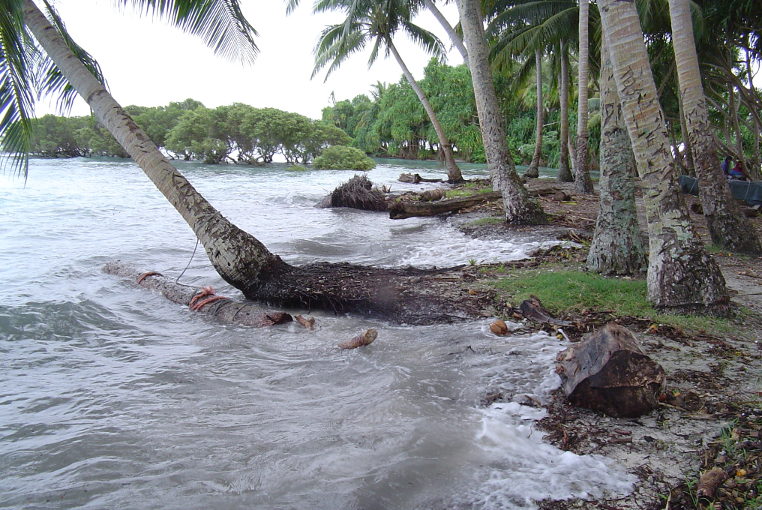
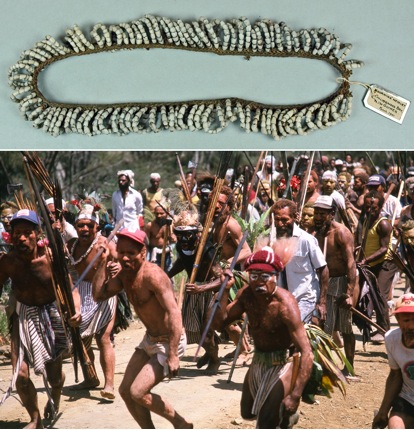
Intricate woven mats, meticulously crafted from local materials, were presented as offerings, symbolizing the community's love and respect for Chief Mika. These weren’t mere decorations; each mat represented countless hours of work and a tangible expression of devotion. The men of the clan then performed a specific dance, their movements powerful yet restrained. They wielded spears made from palm fronds, their faces painted black with traditional dyes, each stroke representing the deep grief they felt. The singing of laments in the Takuu language was perhaps the most moving aspect of the ceremony. Although I couldn't understand the words, the raw emotion in their voices transcended the language barrier. It was a collective outpouring of sorrow, a testament to the strong bonds that held the community together. What to expect attending a Takuu mourning ceremony? Expect raw emotion, community spirit, and an unforgettable cultural experience.
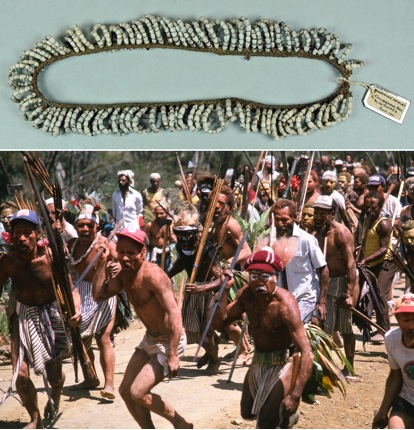
Witnessing this mourning ceremony was a powerful reminder of the human cost of climate change. The Takuu islanders are facing the loss of their ancestral home, their culture, and their way of life. Their resilience and spirit in the face of such adversity is truly inspiring, but they cannot fight this battle alone. Why is Takuu Atoll sinking? Rising sea levels, driven by climate change, are slowly eroding the islands, making them uninhabitable.
Outrigger Canoe Building in Milne Bay: Preserving Tradition, Embracing Sustainability
From the somber experience on Takuu, I travelled back to Milne Bay Province to immerse myself in a more uplifting aspect of Papua New Guinea culture: traditional outrigger canoe building. I had the privilege of participating in a workshop led by master craftsman, Paxon Kaliopi. Contact info upon request, but be sure to reach out well in advance, as he is a busy man!
Paxon explained that the canoes are made using locally sourced coconut wood for the hull and pandanus leaves for the sail. His expertise was evident in every precise movement, every careful cut. He shared that he had undergone a 20-year apprenticeship under his grandfather, passing down knowledge accumulated over generations.
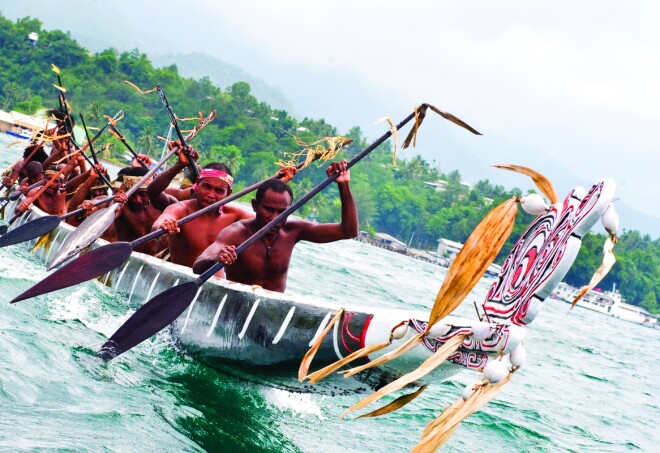
Canoe building holds immense cultural significance in their maritime society. It is not just a craft; it is a connection to their ancestors, a symbol of their resilience, and a way to navigate the waters that surround them. Furthermore, it promotes sustainability. Unlike motorized boats, these canoes rely on natural materials and human power, minimizing their environmental impact. Participate in outrigger canoe building experience Milne Bay for a truly memorable and insightful experience.
A Call to Action: Support Takuu and Advocate for Change
My journey through Papua New Guinea was an extraordinary blend of cultural immersion, natural beauty, and stark reminders of the challenges facing our planet. Visiting such a place is a privilege, but it also carries a responsibility.
I urge you to consider two crucial actions:
Donate to the Takuu Relocation Fund: [https://www.example.com/takuurelief] (This is a placeholder link, please verify a real and reliable donation page before using). Every contribution, no matter how small, can make a difference in helping the Takuu islanders rebuild their lives. How can I support the Takuu Atoll Relocation Fund? Donate through verifiable charities and spread awareness!
Advocate for Stronger International Climate Action Policies: Contact your elected officials and demand meaningful action on climate change. [https://www.example.com/climateaction] (This is a placeholder link, please replace with a relevant advocacy organization). The fate of the Takuu Atoll, and countless other vulnerable communities, depends on our collective response to this global crisis.
Papua New Guinea is a treasure trove of culture and natural wonders. A visit here offers an opportunity for incredible personal enrichment. But that benefit should also galvanize you to act, to fight for the preservation of this unique corner of the world, and to help those who are most vulnerable to the impacts of climate change. Together, we can make a difference. Take ethical Papua New Guinea tours and support the local communities you visit. What are the challenges facing the Takuu Atoll islanders? Displacement, loss of culture, and an uncertain future.
FAQ: Papua New Guinea Travel
How safe is it to travel in Papua New Guinea?
While some areas have safety concerns, popular tourist destinations are generally safe with proper precautions and local guidance. Exercise caution and be aware of your surroundings, particularly in urban areas.
What are the best things to do in Kokopo?
Visit the Kokopo War Museum, explore the local markets, relax on the beaches, and witness the amazing bioluminescence at Little Pigeon Island.
What languages are spoken in Papua New Guinea?
Papua New Guinea is one of the most linguistically diverse countries in the world, with over 800 languages spoken. The official languages are Tok Pisin, Hiri Motu, and English.