
Pantanal's Roar: An Ecotourism Journey with Jagu...
The Pantanal. The name alone conjures images of untamed wilderness, a symphony of life unfolding across a vast, watery expanse. As the world's largest tropical wetland and a UNESCO World Heritage site, this Brazilian paradise pulsates with biodiversity, drawing wildlife enthusiasts from every corner of the globe. But for many, the ultimate draw is the chance to witness one of nature's most magnificent predators: the jaguar. My recent journey to the Pantanal during the dry season (June-October) was a quest to experience responsible ecotourism firsthand and document the delicate balance between conservation and the allure of the jaguar. Join me as I delve into this extraordinary ecosystem, share my unforgettable encounters, and highlight how you can contribute to protecting this vital habitat.

Exploring the Cuiabá River: A Wildlife Hotspot
The heart of jaguar territory in the Pantanal beats along the Cuiabá River. This waterway serves as a vital lifeline for countless species, and its banks offer prime viewing opportunities. Each day brought new spectacles, each more thrilling than the last.
My days began before sunrise, boarding small, open boats designed for navigating the river's twists and turns. We were in search of Pantanal jaguar tours, eager for a glimpse of the elusive feline. The air was thick with anticipation, the only sounds the gentle lapping of water against the hull and the calls of awakening birds. It didn't take long before the Cuiabá River wildlife revealed itself.
I witnessed scenes straight out of a wildlife documentary. Patiently, we observed jaguars stealthily stalking capybaras along the riverbanks. The tension was palpable as these powerful predators moved with calculated grace, muscles coiled and ready to unleash. I captured images of jaguars swimming effortlessly across the river, their muscular bodies cutting through the water with surprising agility. On one unforgettable occasion, we even witnessed a successful hunt, the raw power and precision of the jaguar leaving us in awe.
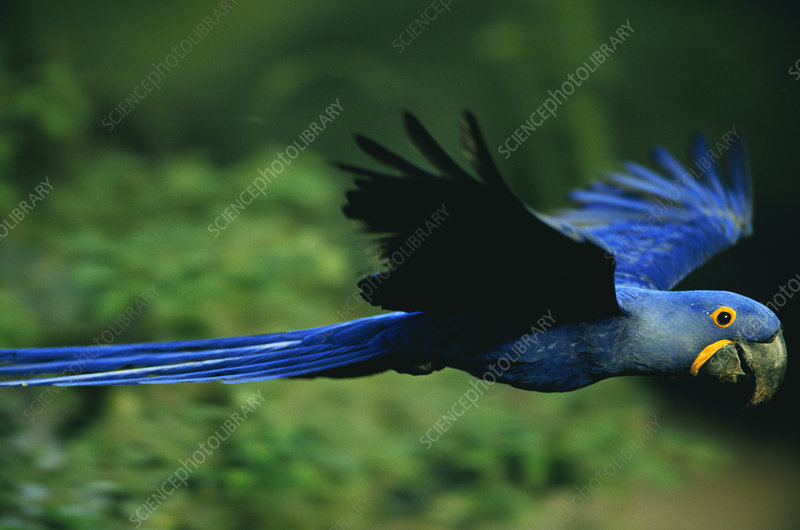
The riverbanks also teemed with other life. Caimans, both juvenile and adult, basked lazily in the sun, their armored bodies absorbing the warmth. The size variation was striking, from tiny youngsters barely a foot long to imposing adults stretching over ten feet. Overhead, the vibrant spectacle of hyacinth macaws added a splash of color to the landscape. Their brilliant blue plumage contrasted against the lush green vegetation, creating a breathtaking scene. I spent hours photographing these magnificent birds in flight, perched on branches, and interacting with each other, their boisterous calls echoing through the air. These Pantanal wildlife safaris were proving to be everything I had hoped for, and more.
Boat Safari on the Cuiabá River
One of the most rewarding experiences was a boat safari on Cuiabá River designed to observe wildlife from a unique perspective. The proximity to the animals was astonishing. From the water, we were mere feet away from caimans sunning themselves and capybaras grazing along the banks. Our guide, a local expert with an encyclopedic knowledge of the Pantanal, pointed out hidden details, explaining the intricate relationships between the different species. The typical Pantanal tour group sizes were small, usually around 6-8 people, which allowed for a more intimate and personalized experience.
Horseback Riding Through the Wetlands
For a different perspective, I embarked on a horseback riding excursion through the Pantanal wetlands. This immersive experience allowed me to truly connect with the landscape, navigating the terrain on horseback like a true "Pantaneiro." The rhythmic gait of the horse provided a soothing soundtrack as we traversed the open fields and ventured into the more densely vegetated areas. We encountered numerous wildlife species along the way, including jabiru storks, marsh deer, and various species of birds. This horseback riding Pantanal wetlands adventure offered a unique way to appreciate the scale and beauty of this remarkable ecosystem.
Recommended Eco-Lodges for a Responsible Pantanal Experience
Choosing the right accommodation is crucial for a truly immersive and responsible tourism Pantanal experience. I highly recommend two eco-lodges that stand out for their commitment to conservation and exceptional wildlife viewing opportunities.
Refúgio da Ilha: Rustic Charm and Prime Location
Refúgio da Ilha offers a charmingly rustic experience in an excellent location for wildlife viewing. Situated on an island in the heart of the Pantanal, this lodge provides easy access to prime jaguar territory. The accommodations are simple but comfortable, and the focus is on immersing guests in the natural environment. The guides are incredibly knowledgeable and passionate about the Pantanal, and their expertise significantly enhances the jaguar-spotting tours.
Caiman Ecological Refuge: Conservation and Research in Action
Caiman Ecological Refuge is renowned for its commitment to conservation and research. This lodge actively supports jaguar research projects and implements sustainable practices to minimize its environmental impact. The accommodations are comfortable and well-appointed, and the lodge offers a range of activities, including guided walks, boat trips, and night safaris. The guides here are exceptionally skilled at tracking and identifying jaguars, and their insights into jaguar behavior and ecology are invaluable.
Savoring the Flavors of the Pantanal
No trip to the Pantanal is complete without indulging in the region's unique cuisine. Two dishes, in particular, stand out: "Pintado na Brasa" (grilled painted catfish) and "Arroz de Carreteiro" (cattle driver's rice).
"Pintado na Brasa" is a local delicacy featuring the succulent painted catfish, grilled to perfection and garnished with fresh herbs and vegetables. The sustainable tourism in the Brazilian Pantanal family relies on the sourcing of local ingredients, including sustainable fishing practices for the "Pintado", ensuring that this delicious fish remains a part of the Pantanal's culinary heritage for generations to come. The fish has a delicate, slightly sweet flavor and a firm, flaky texture.
"Arroz de Carreteiro" is a hearty and flavorful rice dish that reflects the region's cattle ranching culture. This dish is made with dried beef, rice, onions, garlic, and a variety of spices. The flavors are rich and savory, providing a taste of the Pantanal's culinary traditions. These meals reflect the region's culture, the responsible tourism Pantanal.
The Pantanal's Delicate Balance: A Call to Action
The vastness of the Pantanal landscape is simply breathtaking. This unique ecosystem, stretching across millions of acres, supports an incredible array of life. However, this pristine environment faces a growing threat: habitat loss due to cattle ranching and agricultural expansion. The conversion of wetlands into pastureland and the impact of deforestation are having a devastating effect on the Pantanal's biodiversity, jeopardizing the future of jaguars and countless other species.


It's crucial that we act now to protect this irreplaceable ecosystem. I urge you to support Panthera and their jaguar conservation efforts in the Pantanal. Panthera's Jaguar Corridor Initiative is working to connect fragmented jaguar populations and protect vital jaguar habitats. By supporting Panthera, you can help ensure the long-term survival of these magnificent creatures.
Choose ecotourism Pantanal Brazil options to minimize your environmental impact and support local communities. Responsible travel can generate revenue for conservation efforts and incentivize the protection of jaguar habitats. Reducing habitat loss is paramount to securing a future for jaguars and the Pantanal's remarkable biodiversity.
The Pantanal's roar is a call to action. Let's work together to protect this precious ecosystem for generations to come. I invite you to share your own ecotourism experiences and contribute to the conservation discussion. Your voice matters.