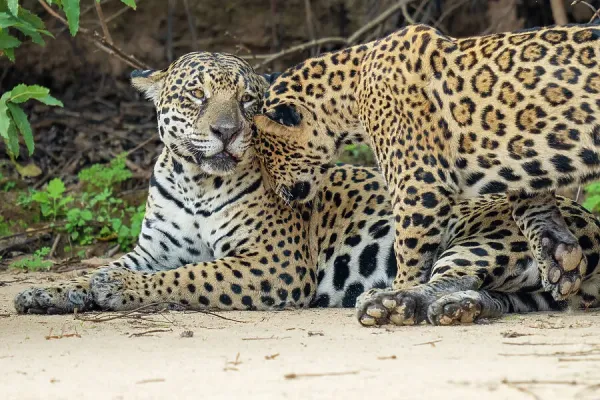
Pantanal: Where Jaguars Reign
The Pantanal, the...
The Pantanal, the world's largest tropical wetland, is a place of breathtaking beauty and unparalleled biodiversity. As a wildlife photographer, I've traveled the globe capturing nature's wonders, but the Pantanal holds a special place in my heart. Its vast landscapes teem with life, from the majestic jaguar to the smallest butterfly. However, this paradise faces significant conservation challenges, making ethical wildlife photography more important than ever. Join me, Izzy Ramirez, on a journey through this remarkable ecosystem as I share my experiences capturing its essence through my lens, emphasizing the critical need to protect this precious habitat and highlighting opportunities for a Pantanal sustainable wildlife tour.
Capturing the Pantanal Through My Lens
Photographing wildlife requires patience, skill, and the right equipment. In the Pantanal, where conditions can be challenging, gear selection is crucial. My go-to setup includes a Canon EOS R5, paired with an RF 100-500mm f/4.5-7.1L IS USM lens. The lens's flexibility and image stabilization are essential for capturing sharp images of wildlife, especially when shooting from a moving boat or vehicle. For macro photography, I rely on the RF 100mm f/2.8L Macro IS USM lens, using focus stacking to reveal the intricate details of the Pantanal's insects.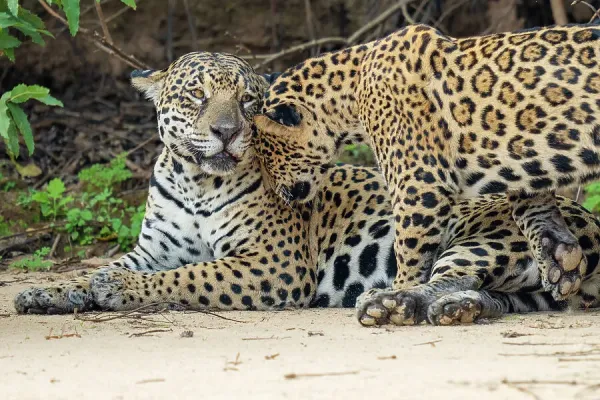
For landscape shots at sunrise and sunset, I employ long exposure photography, using a 10-stop ND filter (Lee Filters ProGlass IRND 3.0) to create ethereal water effects and capture the dramatic skies. My typical settings involve ISO 100, an aperture between f/8 and f/11 for landscapes, and f/16 for macro shots. Shutter speeds range from 1/2000s for action shots to 30 seconds for long exposures. I always shoot in RAW format, ensuring maximum flexibility during post-processing.
Ethical Wildlife Photography: A Commitment to Conservation
For me, photography is more than just capturing beautiful images; it's about promoting conservation and respecting wildlife. "Conservation is at the heart of my work," I always say. "I want my images to inspire people to protect this incredible ecosystem and its wildlife." Ethical considerations are paramount in my work. In the Pantanal, this means adhering to strict guidelines, such as maintaining a minimum distance of 50 meters from jaguar dens. When using drones, I maintain a safe distance of at least 100 meters from bird nests, especially during the nesting season (September to November), and I avoid overflight of protected areas without proper permits. I obtained permits from IBAMA (Brazilian Institute of Environment and Renewable Natural Resources) for drone use and photography in protected areas. I also compensate local landowners, specifically the owners of Fazenda San Francisco, for access to their property for photography, contributing directly to the local economy and supporting Pantanal community-based tourism.
Jaguar Conservation Efforts: Volunteering with Oncafari
One of the most rewarding experiences of my trip was volunteering with 'Oncafari,' a jaguar conservation project in the Pantanal. Their work focuses on habituating jaguars to vehicles for observation and tourism, which helps to reduce human-wildlife conflict and deter poaching. I documented their anti-poaching efforts and their collaboration with local communities to monitor jaguar populations.
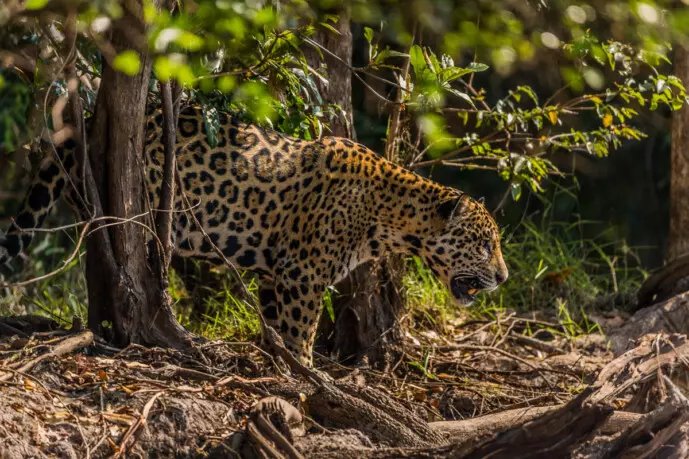
I had the opportunity to photograph jaguars that have been successfully habituated to vehicles, focusing on individuals like 'Scarface,' a well-known jaguar male monitored by the project. It was incredible to witness these magnificent creatures in their natural habitat, knowing that my images could help raise awareness about their conservation. Supporting this type of ethical project is vital for Pantanal wildlife conservation volunteering.
Experience the Pantanal by River
One of the most unique ways to explore the Pantanal is by floating down its rivers. This allows you to get up close and personal with the wildlife, including capybaras, caimans, and a vast array of bird species. Local guides will help you identify the unique plant and animal life, as well as help you respect and protect the environment. Consider looking into a Pantanal river floating eco tour for a more immersive experience.
Explore the Pantanal on Horseback
Another unique way to experience the Pantanal is to go horseback riding. It provides access to areas unreachable by vehicle or boat, allowing for encounters with diverse wildlife and a deeper connection with the land. Consider a Pantanal horseback riding vacation to get the full Pantanal experience.
Give Back: Pantanal Conservation Volunteering Opportunities
There are many ways to give back to the Pantanal when visiting. Volunteer opportunities range from working directly with jaguars to educating local communities. These opportunities not only contribute to conservation efforts but also provide a unique cultural experience. Research Pantanal wildlife conservation volunteering opportunities to find a perfect fit.
Discover the Pantanal with Indigenous Guides
Engaging with Indigenous communities in the Pantanal offers unique cultural insights and supports sustainable tourism. Indigenous guides possess invaluable knowledge of the local flora, fauna, and ecosystem, enriching the visitor experience while preserving their cultural heritage. A Pantanal indigenous-led tourism experience is truly special.
Recommended Eco-Lodges: Sustainable Stays in the Pantanal
Choosing the right accommodation can significantly impact your experience and contribute to conservation efforts. I highly recommend staying at Caiman Ecological Refuge, a former cattle ranch transformed into a conservation-focused eco-lodge. Their jaguar habituation program allows guests to observe jaguars in their natural habitat, contributing to research and conservation efforts.
I also recommend Refúgio da Ilha, praising its commitment to sustainable tourism and community involvement, particularly their partnership with local artisans to create handicrafts sold at the lodge. Staying at these lodges directly supports conservation and provides a unique insight into the Pantanal's ecosystem. Responsible lodge choices can promote a truly Pantanal sustainable wildlife tour.
A Taste of the Pantanal: Local Cuisine
No trip is complete without experiencing the local cuisine. I had the pleasure of trying chipá guazú, a traditional corn-based cake made with fresh corn kernels, cheese, and milk, often served during festivals and celebrations. I also enjoyed locro, a hearty stew made with beans, corn, squash, and meat, traditionally prepared in large quantities and shared among families and communities during the winter months. These dishes are integral to the local culture, reflecting the Pantanal’s agricultural heritage and offering a delicious taste of the region's traditions.
Visiting the Pantanal During the Off-Season
Traveling to the Pantanal during the off-season (roughly November to March) can offer distinct advantages. While it's the rainy season, it's also when the landscape is lush and teeming with life. Birdwatching is excellent during this time, as migratory birds arrive. Plus, the lower tourist volume means a more intimate experience with nature. However, be prepared for increased mosquito activity and potential flooding. Be sure to research the pros and cons before planning your Pantanal off-season travel.
Izzy's Pantanal Photography Gear Guide
Packing the right gear is essential for capturing the beauty of the Pantanal. In addition to my camera and lenses, I recommend bringing a sturdy tripod, a reliable camera bag, plenty of memory cards, and extra batteries. Protecting your gear from the elements is also crucial. The heat and humidity can be relentless, so I always pack silica gel packs and waterproof bags to keep my equipment dry. Don't forget a good pair of binoculars for spotting wildlife and a teleconverter for extra reach.
Challenges in the Field
"Photographing in the Pantanal is an incredible privilege, but it's also incredibly challenging," I explain. "The heat and humidity are relentless. I have to protect my gear from moisture using silica gel packs and waterproof bags. I also start shooting before dawn to avoid the midday heat and to capture the best light." These challenges are part of what makes photographing in the Pantanal so rewarding, pushing me to adapt and find creative solutions.
Pantanal sustainable wildlife tour: a viral sensation
Imagine this: The screen lights up with a cinematic, hyper-detailed slow-motion shot of a jaguar leaping out of the water. Water droplets are frozen in mid-air, illuminated by golden hour light. Suddenly, bursting with power, the jaguar rapidly propels itself forward. The style is cinematic 4K, shot at 240 frames per second. A low-angle shot emphasizes the jaguar's size and power, with a dramatic zoom following its trajectory. Golden hour lighting, with warm, saturated colors enhances the scene's beauty. As the jaguar lands, it turns to face the camera, revealing a scar on its face – a visual reminder of the challenges it faces in the wild. "Pantanal: Where Jaguars Reign." appears on screen. This stunning visual will immediately stop the scroll and showcase the power and vulnerability of jaguars in the Pantanal, promoting conservation efforts.
Conclusion: Protecting the Pantanal's Legacy
My journey through the Pantanal was an unforgettable experience, filled with breathtaking wildlife encounters and a deep appreciation for this incredible ecosystem. However, the Pantanal faces numerous threats, including habitat loss, poaching, and unsustainable tourism. By supporting ethical tourism practices, volunteering with conservation projects, and raising awareness through photography, we can all play a role in protecting this precious habitat for future generations. I encourage you to explore the Pantanal responsibly, to witness its beauty firsthand, and to join the effort to conserve its legacy. Visit VistaLocation.com to plan your eco-friendly adventure and contribute to the sustainable future of the Pantanal. Ready to book your next Pantanal sustainable wildlife tour?