Pantanal Photography Tour: Capturing Avian Wonde...
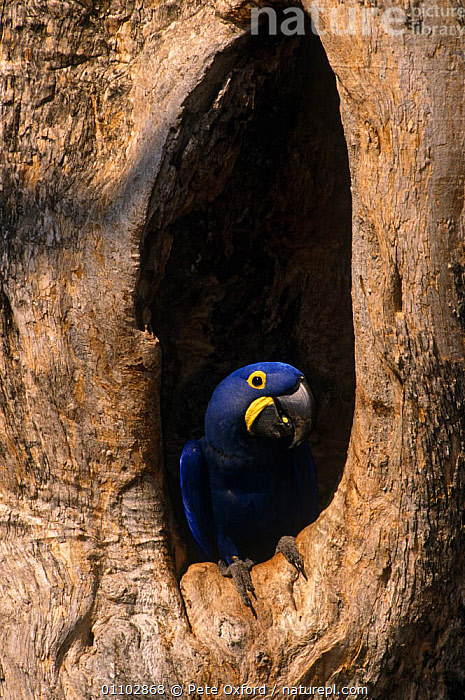
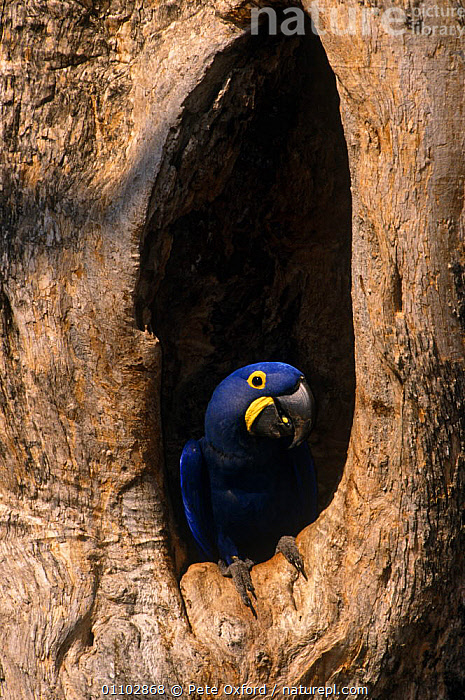
The Pantanal, a UNESCO World Heritage Site, is a wildlife photographer's dream. But navigating this vast, biodiverse landscape requires expertise. My recent guided Pantanal photography tour with Vistalocation.com during the Hyacinth Macaw nesting season provided unparalleled access to incredible avian subjects and a truly immersive cultural experience. This review details the photographic opportunities, challenges, and ethical considerations of capturing the beauty of Brazil's Pantanal, focusing on its unique ecosystem and the importance of ecotourism. What is the best time of year to photograph birds in the Pantanal? During nesting season!
A Wildlife Photographer's Paradise: The Pantanal Ecosystem
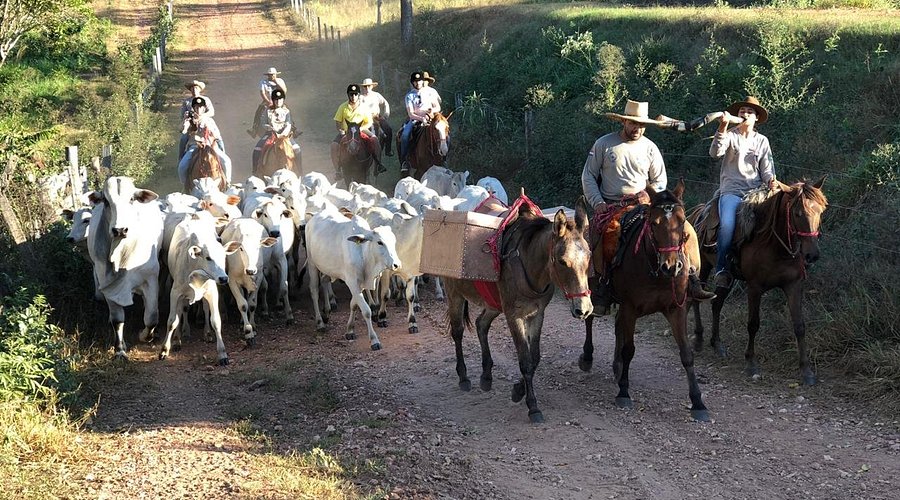
The Pantanal's unique blend of flooded grasslands, gallery forests, and winding rivers creates an environment where wildlife is exceptionally visible. This is especially true during the dry season (May to September) which coincides with the Hyacinth Macaw photography opportunity during nesting season. Imagine Jabiru Storks soaring over the golden grasslands, their impressive wingspans silhouetted against the setting sun. The flooded terrain, however, presents challenges. We navigated by boat and horseback, requiring patience and skill.
Photographing the Pantanal's Iconic Species
The Pantanal wildlife photography opportunities are endless. One of the highlights was capturing Jabiru Storks in flight. It required patience and a fast shutter speed, but the results were worth it. Then there were the Giant River Otters hunting piranhas in the Cuiabá River. Their playful antics and streamlined movements were a joy to photograph. At night, we ventured into the gallery forests, hoping to photograph the elusive Pantanal Cat. While sightings were rare, the experience of being surrounded by the nocturnal sounds of the Pantanal was unforgettable. Where are the best locations for bird photography in the Pantanal? The entire region offers amazing birding opportunities.
Equipment and Challenges: Gear for the Pantanal
Photographing wildlife in the Pantanal requires specialized equipment. I relied on my Canon EOS R5 with a Canon EF 600mm f/4L IS III USM lens for bird photography. The combination provided the reach and image stabilization needed to capture sharp images of distant and moving subjects. For aerial landscape shots, my DJI Mavic 3 Pro drone proved invaluable. For river photography, a waterproof camera housing was essential. What equipment do I need for Pantanal wildlife photography? Bring a telephoto lens, weather-sealed camera, and waterproof protection.
Overcoming the Pantanal's Photographic Hurdles
The Pantanal presents unique challenges. The intense humidity and heat can be brutal on both equipment and photographer. Maintaining focus acquisition on rapidly moving birds was difficult, often requiring high ISO settings in low-light conditions. The dust and mud, especially during horseback rides, demanded constant cleaning and protection of my gear.
The Comitiva Pantaneira: A Taste of Pantanal Culture
No trip to the Pantanal is complete without experiencing the Comitiva Pantaneira, a traditional cowboy meal cooked over an open fire. Our guides prepared beef ribs, marinated in coarse salt and spices, mandioca (cassava), and rice. How to protect camera equipment from humidity in Pantanal? Invest in dehumidifying dry boxes for your gear.
A Culinary Ritual Around the Campfire
The beef ribs were slow-cooked over embers for hours, resulting in tender, flavorful meat. The mandioca provided a starchy complement, and the rice soaked up the delicious juices. We ate communally, sitting around the fire, sharing stories and enjoying the camaraderie of the Pantanal. What is the Comitiva Pantaneira meal? It is a traditional cowboy BBQ slow-cooked over an open fire.
Ethical Wildlife Photography: Respecting the Pantanal's Inhabitants
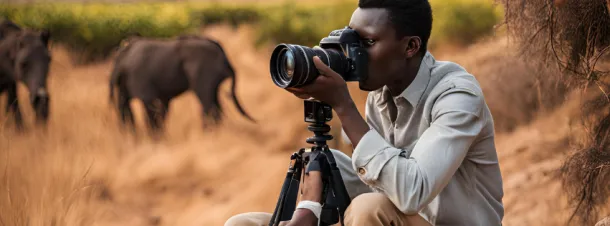
Pantanal ecotourism photography carries an ethical responsibility. It's crucial to maintain a safe distance from nesting sites to avoid disturbing the birds. Avoiding flash photography near sensitive animals is also important. The goal is to respect the natural behavior of wildlife and minimize our impact.
Ecotourism: A Force for Conservation
Ecotourism plays a vital role in the Pantanal's conservation efforts. Tour operators contribute to local communities and support anti-poaching initiatives. By choosing a responsible tour operator like Vistalocation.com, you can help protect this precious ecosystem. How can I ensure ethical wildlife photography in the Pantanal? Keep your distance and respect the wildlife's natural behavior.
Behind the Scenes: A Day in the Life
Watch this video for a glimpse into a typical day on a Pantanal photography tour.
Viral Video Framework:
- HOOK (0-1 seconds): Rapidly zoom in on a Hyacinth Macaw chick suddenly hatching from its egg, shot in cinematic 4K with a high-speed camera.
- SCENE (1-5 seconds): GoPro POV shot of the photographer navigating the Pantanal on horseback through knee-deep floodwaters, the bright morning sun creating golden hour lighting. The camera work is dynamic, with quick pans and slight dutch tilts to convey the rugged terrain.
- TWIST (5-8 seconds): The photographer dismounts and sets up a tripod. Then, a slow-motion shot of a Jabiru Stork, wings fully extended, suddenly landing inches from the camera, with dramatic shadows highlighting its silhouette. The stork turns and looks directly at the lens, squawking loudly, before taking flight again.
Viral Elements:
- SURPRISE: The unexpected close proximity of the Jabiru Stork.
- CLARITY: Clear at a glance – the viewer immediately understands the scene: photographer, wildlife, Pantanal.
- EMOTION: Amazement and a slight sense of danger/excitement (the stork is huge and close!).
- VISUAL STYLE: Cinematic 4K with golden hour lighting, emphasizing the beauty and wildness of the Pantanal.
TECHNICAL SPECIFICATIONS:
- CAMERA WORK: GoPro POV, slow-motion, zoom, dramatic close-up.
- LIGHTING: Golden hour, dramatic shadows.
- COMPOSITION: Low-angle shot for the stork landing, wide shot of the Pantanal landscape.
- QUALITY: Cinematic 4K, shot on RED camera for the stork landing, GoPro for the horseback riding sequence.
The Pantanal Awaits
My Pantanal photography tour with Vistalocation.com was an unforgettable experience. The combination of incredible wildlife encounters, stunning landscapes, and cultural immersion made it a truly special trip. If you're a wildlife photographer, especially one with a passion for avian species, I highly recommend exploring the Pantanal during the Hyacinth Macaw nesting season. Book your Pantanal photography tour today and witness the magic of this incredible ecosystem firsthand! The best Pantanal photography tour packages include expert guides, transportation, and accommodations. Why is the Pantanal important for wildlife conservation? It is a vital habitat for many endangered species.