Palawan's Paradise Imperiled: A Marine Biologist...
Palawan. The name alone conjures images of pristine beaches, towering limestone cliffs, and a kaleidoscope of coral reefs teeming with life. It's a place that feels almost untouched, a sanctuary of biodiversity in a world increasingly threatened by environmental degradation. But beneath the surface of this idyllic paradise lies a growing concern: the impact of tourism on Palawan's fragile marine ecosystems. My name is Dr. Aris Thorne, and as a marine biologist specializing in coral reef ecosystems, I've come to Palawan to witness firsthand the challenges and opportunities facing this natural wonder. My mission is to assess the current state of the reefs and, hopefully, contribute to a future where tourism and conservation can coexist harmoniously. This journey has been eye-opening, humbling, and has reinforced my commitment to protecting these vital ecosystems.
My exploration began in the Bacuit Archipelago, a cluster of islands renowned for their dramatic landscapes and vibrant underwater worlds.
Exploring the Secret Lagoon: A Glimpse of Hidden Biodiversity
One of my first stops was the Secret Lagoon of Miniloc Island. Navigating through the narrow entrance by kayak felt like stepping into another world. The turquoise water shimmered under the midday sun, reflecting the towering limestone cliffs that surrounded the lagoon. It was remarkably tranquil, a sheltered haven from the open sea.
What struck me most was the unique biodiversity of this enclosed ecosystem. I observed several species of jellyfish, some translucent and pulsating gently, others with vibrant colors. The algae were equally diverse, forming mats of varying textures and hues along the lagoon's edges. Small fish darted among the algae, creating a mesmerizing display of life. This delicate balance, however, is vulnerable to changes in water quality and the introduction of invasive species, highlighting the need for careful management of tourist activities in the area. Kayaking in Palawan sustainably is an experience that tour operators should be taking extremely seriously.
Snorkeling in El Nido: Witnessing the Reef's Resilience and Decline
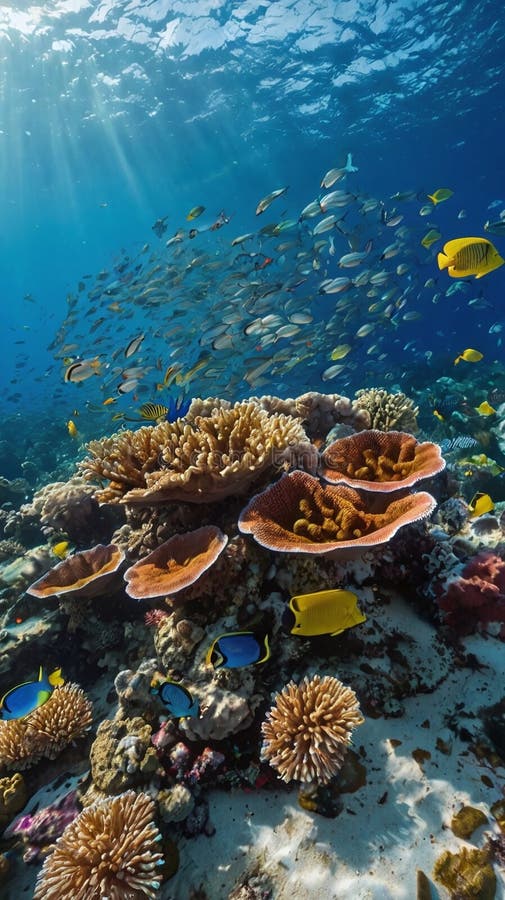
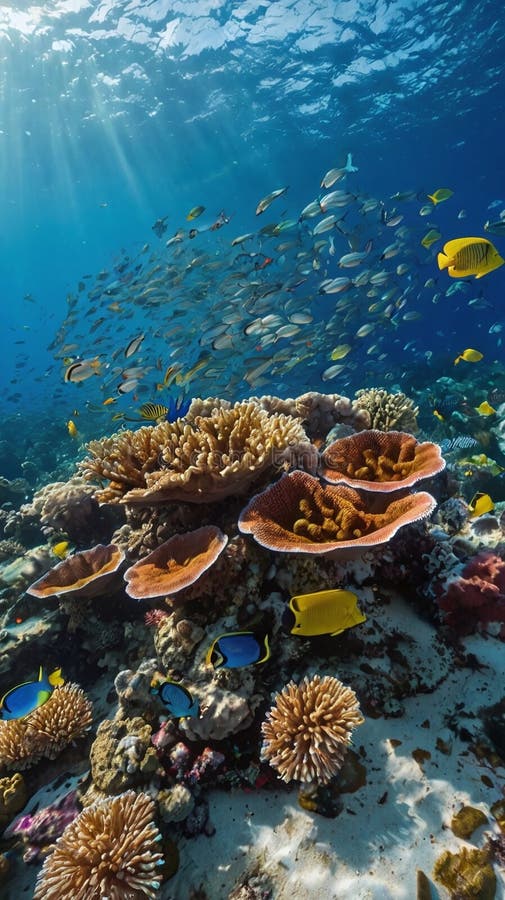
El Nido, another jewel in Palawan's crown, offered a different perspective. Here, I spent hours snorkeling, immersing myself in the vibrant coral reefs that fringe the islands. The sheer abundance of life was breathtaking. I identified species like Acropora cervicornis (staghorn coral) and Montastraea cavernosa (great star coral), their intricate structures providing shelter and sustenance for countless marine creatures. Schools of brightly colored parrotfish grazed on algae, while clownfish darted in and out of their anemone homes. Butterflyfish, with their delicate patterns, added to the reef's vibrant tapestry.
However, my observations were not without concern. I noticed patches of coral bleaching, a stark reminder of the impact of rising ocean temperatures and ocean acidification. Some areas also showed signs of physical damage, likely caused by boat anchors and careless snorkelers. El Nido coral bleaching is a worrying sign and one that needs further investigation.
Soaring Over Duli Beach: A Bird's-Eye View of Development's Edge
To gain a broader perspective, I took a zipline ride over Duli Beach at sunset. The view was stunning. The golden light painted the coastline in warm hues, highlighting the contrast between the lush vegetation and the pristine beach. However, even from this vantage point, I could see signs of development encroaching upon the natural landscape. The construction of resorts and other infrastructure raised concerns about the potential for unsustainable growth and the long-term impact on the coastal ecosystem. The effect of tourism on Palawan biodiversity needs to be a major consideration as development continues.
A Taste of Palawan: Food for Thought
Food, of course, is an integral part of any travel experience, and Palawan offered a delightful array of culinary delights. But even here, environmental considerations came into play.
Kinilaw: A Question of Sourcing
One evening, I sampled Kinilaw, a Filipino ceviche made with fresh tuna and calamansi. It was incredibly flavorful, the tuna melting in my mouth. However, I couldn't help but wonder about the sourcing of the tuna. Was it caught sustainably? Was it contributing to the overfishing of local fish populations? Kinilaw sustainability in Palawan restaurants should be investigated.
Grilled Seafood Platter: Sustainable Choices
Another time, I enjoyed a grilled seafood platter at a beachfront restaurant in El Nido. The prawns, squid, and fish were cooked to perfection. I inquired about the restaurant's sustainability practices and was pleased to learn that they were sourcing their seafood from local fishermen who practiced responsible fishing methods. They also had initiatives in place to minimize their waste and reduce their carbon footprint. Best eco resorts in Palawan are increasingly adopting responsible practices.
Halo-Halo: Supporting Local Agriculture
For a refreshing dessert, I indulged in halo-halo, a colorful concoction of shaved ice, sweet beans, and fruits. This simple treat offered a glimpse into local agricultural practices and the importance of supporting local farmers.
Palawan's Landscapes: A Symphony of Nature
Palawan's landscapes are as diverse as its marine life, each offering its own unique ecological significance.
The Towering Limestone Cliffs of El Nido
The towering limestone cliffs of El Nido are a geological marvel, formed over millions of years by the erosion of ancient coral reefs. These cliffs provide habitat for a variety of plant and animal species, including the endangered Palawan hornbill.
The Pristine Beaches of Coron
The pristine white-sand beaches of Coron are another iconic feature of Palawan. However, these beaches are vulnerable to erosion and pollution, especially during peak tourist season. Careful management is needed to minimize the impact of tourism on these delicate ecosystems.
The Underground River of Puerto Princesa
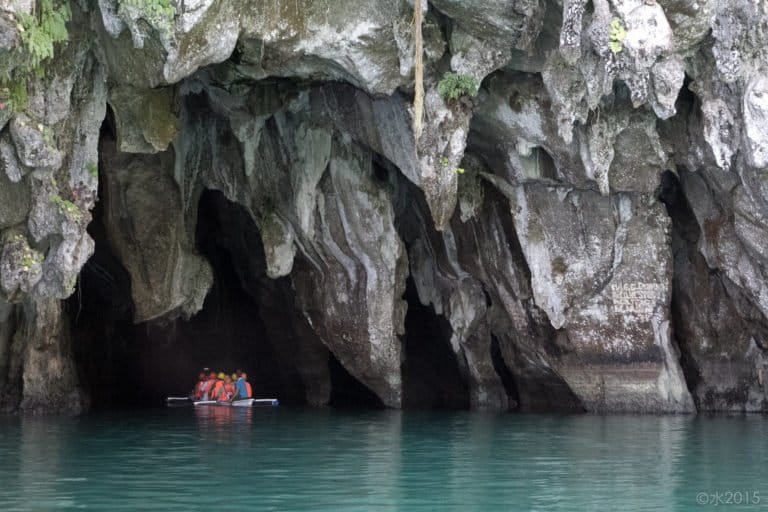
A visit to the Puerto Princesa Subterranean River National Park was a truly unforgettable experience. The lush rainforests surrounding the park are home to a vast array of flora and fauna, while the underground river itself is a unique ecosystem with its own specialized inhabitants.
Interactions with the Locals: Voices of the Sea
My journey was enriched by the conversations I had with the people who call Palawan home.
The Fisherman's Lament
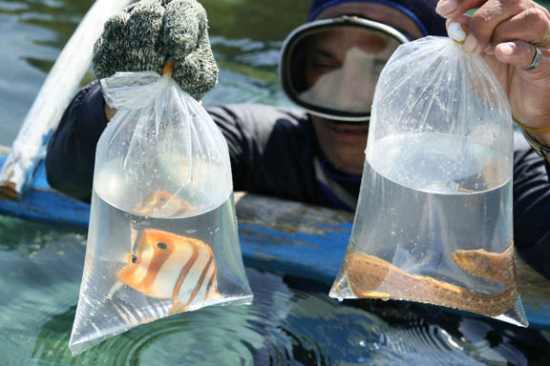
I spoke with a local fisherman named Ricardo about the changing fish stocks in the area. "The fish are getting smaller," he told me, "and harder to find. We have to go further out to sea to catch them." He attributed this decline to overfishing and the destruction of coral reefs. It was a stark reminder of the challenges faced by communities that depend on the ocean for their livelihoods. "We need help," he pleaded.
The Tour Guide's Plea
I also had a conversation with a tour guide named Elena about responsible tourism practices. "We try to educate our guests about the importance of protecting Palawan's natural resources," she explained. "We encourage them to avoid single-use plastics, to respect the coral reefs, and to support local businesses." Sustainable tourism initiatives in El Nido Palawan are vital to the region's success.
The Conservationist's Hope
A discussion with a conservationist, Anya, working on coral reef restoration projects offered a glimmer of hope. "We're using innovative techniques to rehabilitate damaged reefs," she said, "but we need more funding and support." Palawan marine conservation projects deserve increased investment.
A Cultural Mishap: Learning from Mistakes
During my trip, I inadvertently offended local customs by improperly disposing of waste near a protected area. I was quickly corrected by a local resident, who explained the importance of respecting the environment. It was a humbling experience that reinforced the importance of cultural sensitivity and responsible travel.
A Call to Action: Protecting Palawan's Paradise
My time in Palawan has been a powerful reminder of the beauty and fragility of our planet's marine ecosystems. The impact of tourism on Palawan's marine environment is undeniable, but it's not too late to make a difference. By being mindful of our environmental impact when traveling, supporting sustainable tourism initiatives, and advocating for responsible policies, we can help protect this natural wonder for future generations. Let's ensure that Palawan's paradise endures. Help save Palawan's coral reefs by being mindful of where you visit and how you interact with local ecosystems.