Palawan: An Eco-Conscious Adventure Traveler's P...
Palawan, Philippines. Even the name evokes images of pristine beaches, towering limestone cliffs, and vibrant marine life. My 10-day trip to this archipelago was nothing short of breathtaking, but more importantly, it was a journey steeped in responsible tourism. From the moment I landed in Puerto Princesa, I was struck by the island's commitment to preserving its natural beauty, and I was eager to explore it with a focus on sustainability. This is my personal review of an incredible experience and how you can enjoy the magic of Palawan responsibly.
Island Hopping: El Nido and Coron's Hidden Gems
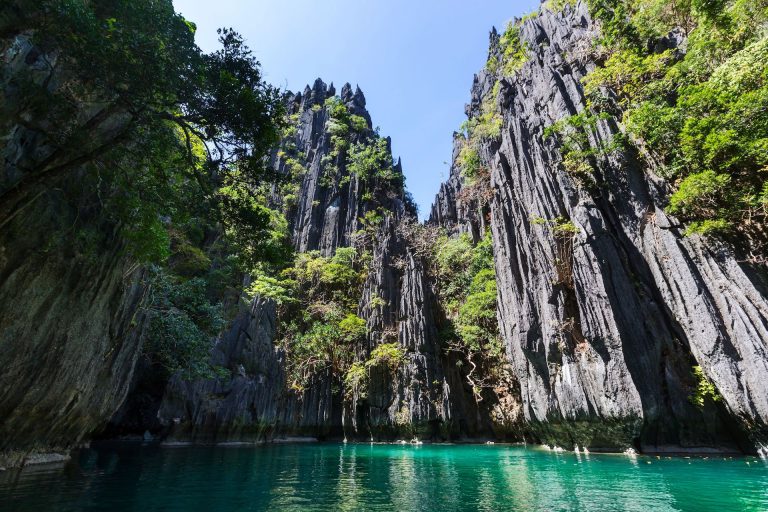
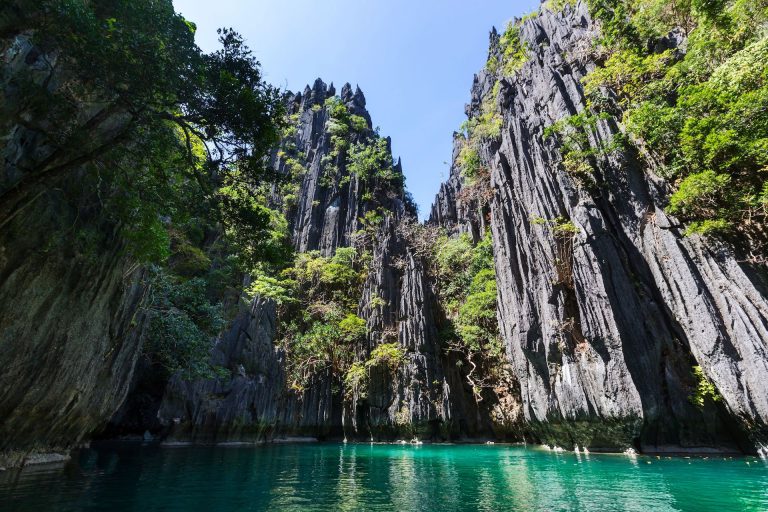
My adventure began with island hopping in El Nido, focusing on Tour A, which took me to Miniloc Island. The dramatic limestone cliffs loomed over the turquoise waters, creating a surreal landscape.
Miniloc Island: Lagoons and Beaches
The Secret Lagoon was an enchanting experience, requiring a small swim through a narrow opening in the rocks to reveal a hidden pool. Shimizu Island boasted pristine white sand and crystal-clear water perfect for snorkeling. Then came the Big Lagoon, where we kayaked through calm, emerald waters, surrounded by towering limestone formations. Every corner offered a postcard-worthy view. It was critical that our tour operator focused on sustainable island hopping Palawan, not anchoring too close to the reefs and educating passengers about responsible behavior.
Next, Coron beckoned, and I was ready to explore its equally stunning landscapes.
Coron's Kayangan Lake and Twin Lagoon
Kayangan Lake lived up to its reputation as one of the cleanest lakes in Asia. The hike up to the viewpoint offered panoramic views of the surrounding islands. Then, descending to the lake, I plunged into its cool, refreshing waters. Twin Lagoon was another highlight, accessible either by swimming under a small opening or during low tide via a staircase. The mix of fresh and saltwater created a unique thermocline experience.
Puerto Princesa Underground River: A Subterranean Wonder
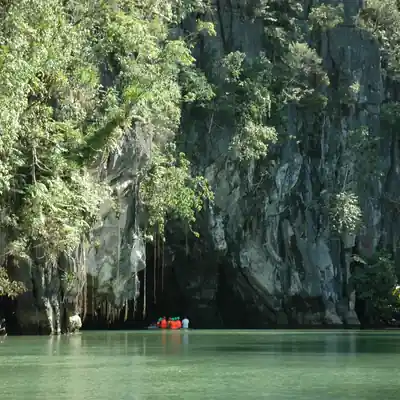
The Puerto Princesa Underground River is a UNESCO World Heritage Site, and for good reason. The journey to the river, through lush jungles teeming with wildlife, was an adventure in itself. The boat tour inside the cave was fascinating. The stalactites and stalagmites formed incredible shapes, and the local guides were incredibly knowledgeable about the river's unique ecosystem. Their passion for conservation was evident, reinforcing the importance of responsible tourism Palawan. The guides also highlighted how the river is crucial to protecting the area's biodiversity. I learned about the sustainable practices implemented to protect the river from pollution and over-tourism.
Diving into Palawan's Depths: Tubbataha Reefs or El Nido's Coral Gardens
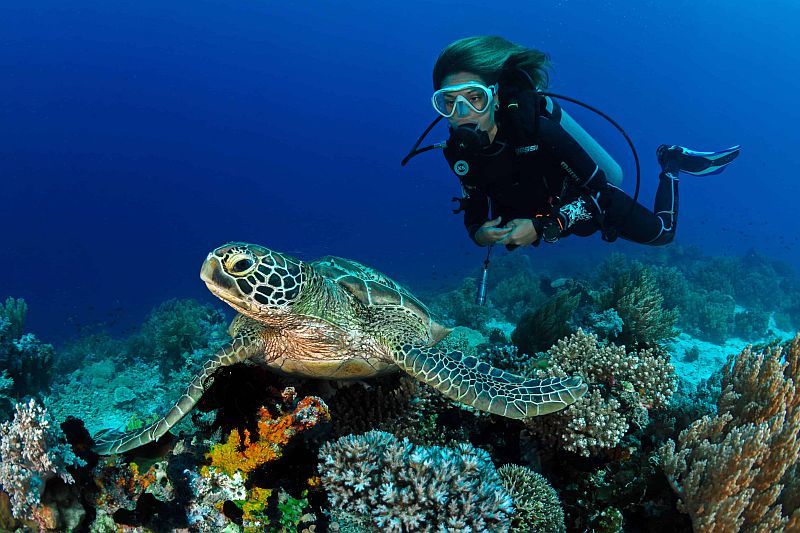
Since I am a certified diver, I took the incredible opportunity to arrange a liveaboard trip to Tubbataha Reefs Natural Park, which is best reached from Puerto Princesa. A UNESCO World Heritage Site, Tubbataha is in the heart of the Coral Triangle. This remote reef is teeming with marine biodiversity. I saw sharks, manta rays, sea turtles, and countless species of fish. The marine conservation efforts are truly commendable, with strict regulations in place to protect the reef. Divers are thoroughly briefed on responsible diving practices, emphasizing the importance of avoiding contact with coral and marine life. The park rangers are dedicated to enforcing these regulations and educating visitors. Many are seeking Tubbataha Reefs Natural Park eco-diving options.
If diving isn't your thing, don't worry! A snorkeling trip near El Nido offers a fantastic alternative. While I focused on Tubbataha, I heard amazing things about the coral reefs around El Nido. However, it's crucial to choose a responsible tour operator that prioritizes reef health. Observe the coral without touching it, and avoid using sunscreen containing harmful chemicals.
A Culinary Journey: Tasting Palawan
Palawan's cuisine is as diverse and captivating as its landscapes.
Kinilaw at Badjao Seafront Restaurant
In Puerto Princesa, I savored Kinilaw at Badjao Seafront Restaurant. This Filipino ceviche, made with fresh fish marinated in vinegar, onions, ginger, and chili, was an explosion of flavors. The freshness of the ingredients was undeniable, and the restaurant's location overlooking the sea added to the experience. I made sure to inquire about the restaurant's sourcing practices, ensuring that they support local fishermen and sustainable fishing methods. The Badjao Seafront Restaurant is also supporting local communities Palawan travel.
Tamilok: An Adventurous Delicacy
For the adventurous palate, Tamilok (woodworm) is a must-try. I sampled it from a local vendor. The texture is slightly slimy, similar to an oyster, and the taste is surprisingly mild, with a hint of seawater. While the thought of eating woodworm may be daunting, it's a local delicacy that provides a source of protein for many communities. While not for every traveler, it does help to support local business.
Fresh Seafood BBQ on Nacpan Beach
On Nacpan Beach in El Nido, I indulged in a fresh seafood BBQ. Grilled fish, squid, and shrimp were cooked to perfection and served with rice and local vegetables. Eating with my feet in the sand, watching the sunset, was a truly unforgettable experience.
Palawan's Landscapes: A Feast for the Senses
The landscapes of Palawan are diverse and breathtaking.
El Nido's Limestone Cliffs
The dramatic limestone cliffs surrounding El Nido's lagoons are a sight to behold. Their jagged peaks and hidden coves create a sense of adventure and mystery. Exploring these cliffs by kayak or boat is an absolute must.
Coron's White Sand Beaches
The white sand beaches of Coron, particularly Banana Island, are truly idyllic. The clarity of the water is remarkable, perfect for swimming, snorkeling, or simply relaxing on the shore.
The Jungles of Puerto Princesa
The lush jungles surrounding the Puerto Princesa area are teeming with life. The journey to the Underground River offered glimpses of monkeys, birds, and other wildlife. Hiking through these jungles is an excellent way to connect with nature.
Immersing in Culture: The Baragatan Festival (or a Similar Experience)
Though my trip didn't coincide with the Baragatan Festival, I researched this cultural event and imagined myself immersed in the vibrant celebrations. The festival showcases Palawan's rich cultural heritage through traditional dances, music, and artisan crafts. Witnessing the intricate craftsmanship of local artisans, such as weaving and wood carving, would be a fantastic way to support local communities through purchasing souvenirs from local artisans. By attending a similar local cultural event, you’d experience Palawan’s unique culture.
Responsible Tourism Practices: Walking the Talk
Throughout my trip, I made a conscious effort to practice responsible tourism.
Supporting Local Communities
I purchased souvenirs from local artisans, ensuring that my money directly benefited the community. I also made sure to eat at local restaurants and support small businesses.
Reducing Plastic Waste
I brought my own reusable water bottle and refused single-use plastics whenever possible. I also packed a reusable shopping bag and avoided buying products packaged in excessive plastic. It’s key to reduce plastic waste while traveling Palawan.
Respecting the Environment
I avoided touching coral while snorkeling and properly disposed of my waste. I also made sure to use reef-safe sunscreen to protect the delicate marine ecosystem.
Eco-Friendly Accommodations: A Sustainable Stay
There are several Palawan eco-resorts committed to sustainability.
Daluyon Beach and Mountain Resort
In Puerto Princesa, I recommend Daluyon Beach and Mountain Resort. They are committed to sustainable practices, such as using solar power, reducing water consumption, and supporting local communities.
El Nido Resorts Pangulasian Island
In El Nido, El Nido Resorts Pangulasian Island is a great option. This resort is dedicated to environmental conservation, with initiatives such as coral reef restoration and waste management programs.
Responsible Tour Operators: Guiding the Way
Choosing a responsible tour operator is crucial for minimizing your impact on the environment. Look for operators that are certified by sustainable tourism organizations, prioritize environmental protection, and support local communities. Ask about their waste management practices, their commitment to responsible wildlife viewing, and their efforts to educate visitors about sustainability.
Palawan: A Call to Action
Palawan is a truly special place, and it's our responsibility to protect its natural beauty. I urge you to visit Palawan responsibly, support local communities, and protect its natural beauty. By making conscious choices, we can ensure that future generations can enjoy the magic of Palawan for years to come. Remember to leave no trace behind, respect local customs, and embrace the spirit of adventure. With a focus on sustainable travel Palawan Philippines, your visit will be more rewarding.