Palau's Underwater Eden: A Marine Biologist's Pe...
Palau, a jewel of Micronesia, often touted as an underwater paradise, is more than just a pretty picture; it's a thriving ecosystem teeming with life, a living laboratory, and a critical battleground in the fight against climate change. My recent research trip to the Rock Islands Southern Lagoon, a UNESCO World Heritage site, was a profound reminder of both the fragility and resilience of our planet's coral reefs. As a marine biologist, I've explored many underwater environments, but Palau's unique biodiversity and the dedication of its people to conservation truly set it apart. This Palau travel guide highlights my experiences freediving with jellyfish, diving with manta rays, kayaking through stunning landscapes, and savoring unique Palauan cuisine.
Freediving in Jellyfish Lake
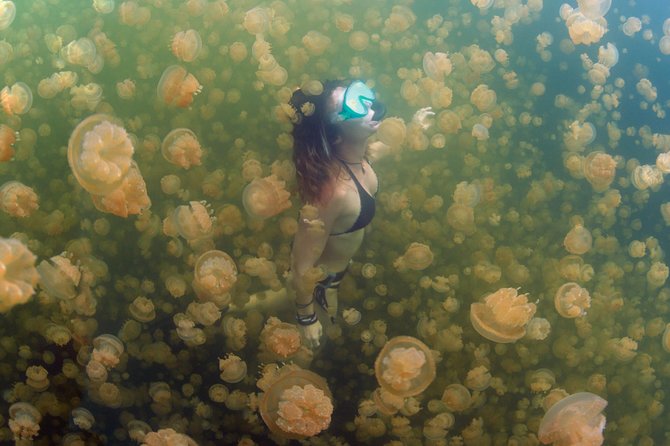
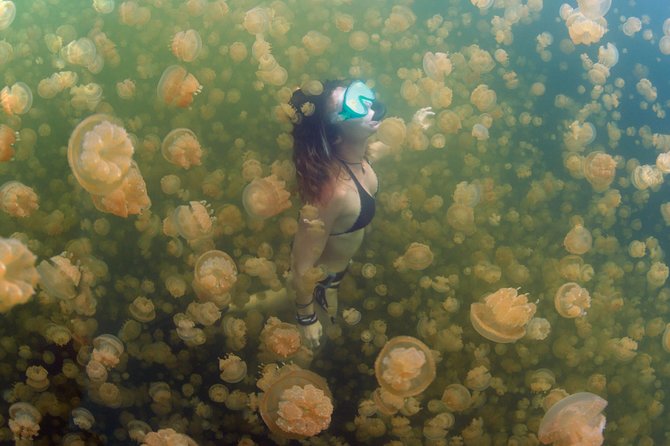
One of the most surreal experiences I had in Palau was snorkeling Jellyfish Lake Palau without getting stung. It sounds impossible, right? The lake is home to millions of golden jellyfish (Mastigias papua etpisoni) and moon jellyfish (Aurelia aurita), but they've evolved to be virtually stingless. Over thousands of years, isolated in this unique environment with an absence of predators, the jellyfish have lost their potent stinging cells, making it safe to swim among them. As you glide through the water, these gentle creatures pulse around you, creating a mesmerizing, almost otherworldly ballet. The dappled sunlight filtering through the surface adds to the magic. But remember, while their stingers are mostly harmless to humans, it’s crucial to avoid touching them directly, out of respect for these delicate beings.
Manta Ray Encounters in the German Channel
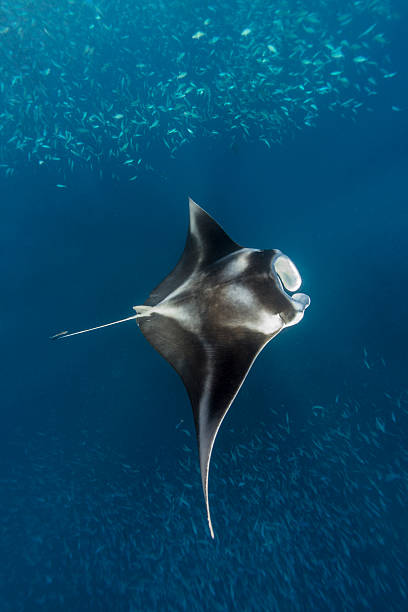
For divers seeking encounters with marine megafauna, the German Channel Palau manta ray dive tours are an absolute must. Carved by German engineers during World War I to create a shortcut for transporting phosphate, this channel has become a feeding ground for majestic manta rays. The best time to witness these gentle giants filter-feeding is typically between 10:00 AM and 2:00 PM. During my dive, I was fortunate enough to observe several manta rays gracefully gliding through the water, their massive wings spanning up to 12 feet. They were there for one reason: plankton. The channel concentrates nutrient-rich waters, creating a veritable buffet for these filter feeders. Witnessing them effortlessly sweep through the water, mouths agape, filtering plankton, was an awe-inspiring display of nature's efficiency and beauty. This experience is certainly a highlight of any Palau diving trip!
Kayaking Through the Rock Islands

Beyond the underwater wonders, the Rock Islands Southern Lagoon UNESCO World Heritage status is well-deserved, as its landscape is equally breathtaking. Kayaking Rock Islands Palau offers a unique perspective on this geological marvel. I spent a day paddling through the maze of mushroom-shaped islands, each one a miniature ecosystem unto itself. One standout was Ulong Island, known for its pristine beaches and diverse birdlife. The beaches were immaculate, and the air was filled with the calls of seabirds. The best eco resorts in Palau near Rock Islands often offer guided kayaking tours, promoting sustainable tourism Palau Rock Islands, ensuring minimal impact on this delicate environment. The turquoise water was so clear, I could see vibrant corals and fish below. It was a peaceful escape, a chance to connect with nature on a deeper level.
A Taste of Palau: Traditional Cuisine
Exploring the Palauan cuisine is an essential part of experiencing the local culture. I had the opportunity to savor three distinct dishes that offered a glimpse into the island's culinary traditions.
Uluk: Breadfruit from a Stone Oven
Uluk, or breadfruit, is a staple in Palauan cuisine. Prepared in a traditional Palauan stone oven, this fruit is baked for about two hours. The process imparts a slightly smoky flavor to the traditional Palauan food recipes. The texture is surprisingly fluffy, similar to a well-baked potato, and it’s often served as a side dish with fish or meat.
Coconut Crab: A Palauan Delicacy
One of the most unique dishes I tried was Coconut Crab. Cooked with coconut milk and local spices, the crab meat is rich and incredibly flavorful. The texture is similar to lobster, firm yet tender. This dish is a true indulgence, showcasing the bounty of the Palauan islands.
Kinilaw: A Zesty Seafood Delight
For a refreshing and zesty option, Kinilaw is the way to go. This Palauan version of ceviche features Spanish mackerel marinated in calamansi lime juice. The citrus "cooks" the fish, while the addition of ginger and chili adds a delightful kick. It’s a perfect dish for a hot day, bursting with fresh, vibrant flavors.
The Landscape: A Sculpted Masterpiece
The Rock Islands Southern Lagoon are a geological marvel, sculpted by millennia of erosion. The iconic mushroom shape is a result of tidal changes and the dissolution of limestone at the waterline. The constant ebb and flow of the tides gradually erode the base of the islands, creating their distinctive form.
The Milky Way: A Natural Spa
One particularly interesting area is the "Milky Way," a cove where the water is a vibrant turquoise color. This is due to the presence of white clay composed of calcium carbonate from eroded limestone. Locals believe that this clay has skin-rejuvenating properties, and tourists often indulge in a natural spa treatment, covering themselves in the creamy white mud.
Palau's Coral Reefs: A Marine Biologist's Perspective
While Palau's underwater beauty is undeniable, its coral reefs face significant threats. Ocean acidification coral reefs Palau is a major concern. As the ocean absorbs excess carbon dioxide from the atmosphere, it becomes more acidic, hindering the ability of corals to build their skeletons. This leads to coral bleaching, a phenomenon where corals expel the algae living in their tissues, causing them to turn white and become more susceptible to disease and death.
However, Palau is not standing idly by. The nation has implemented numerous Palau conservation efforts, including establishing marine protected areas (MPAs). These MPAs provide refuge for marine life, allowing fish populations and coral communities to recover. Additionally, Palau has been a leader in promoting sustainable tourism practices, such as the Palau Pledge, a commitment visitors make to protect the environment. Supporting organizations dedicated to Palau marine conservation volunteer opportunities is also a worthwhile way to contribute.
My research focused on assessing the effectiveness of these conservation initiatives. While the challenges are significant, I observed encouraging signs of recovery in some areas, particularly within the MPAs. The resilience of Palau's coral reefs, coupled with the dedication of its people, offers a glimmer of hope for the future. The effects of climate change on Palau coral reefs are evident, but the proactive measures being taken provide a model for other nations to follow.
Palau: A Future Worth Saving
Palau is more than just a travel destination; it's a testament to the power of conservation and the importance of protecting our planet's precious ecosystems. From the unique experience of swimming with stingless jellyfish to witnessing the majesty of manta rays, Palau offers an unparalleled glimpse into the wonders of the underwater world. By supporting sustainable tourism and conservation efforts, we can all play a part in ensuring that Palau's underwater Eden thrives for generations to come. Ready to plan your trip? Click here to explore the best accommodations and diving tours in Palau!