Palau Through a Marine Biologist's Eyes: Reefs,...
Palau. The name itself conjures images of pristine beaches, vibrant coral reefs, and an underwater world teeming with life. As a marine biologist, I've spent years studying ocean ecosystems around the globe, but nothing quite prepared me for the sheer biodiversity and breathtaking beauty of this island nation. My recent research trip to Palau wasn't just a professional endeavor; it was a deeply personal journey into a realm of ecological wonder, highlighting the urgent need for continued Palau Reef Conservation. This is Palau through my eyes: a testament to nature's resilience and a call to action for sustainable practices in Palau Marine Biology Ecotourism.
Kayaking Among Giants: Exploring the Rock Islands
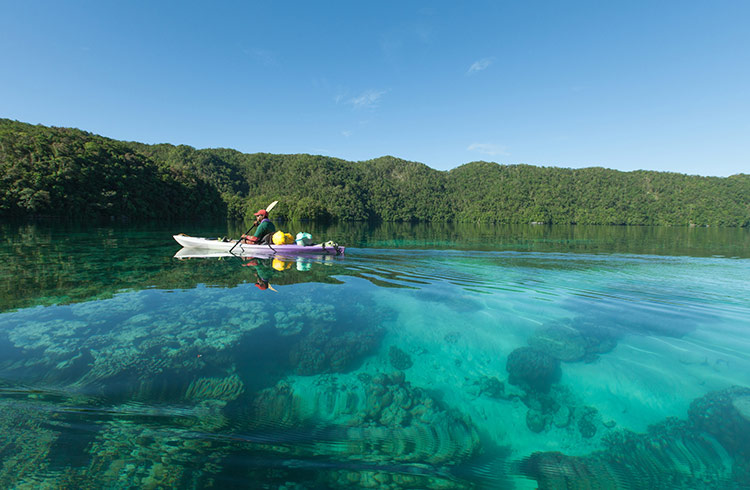
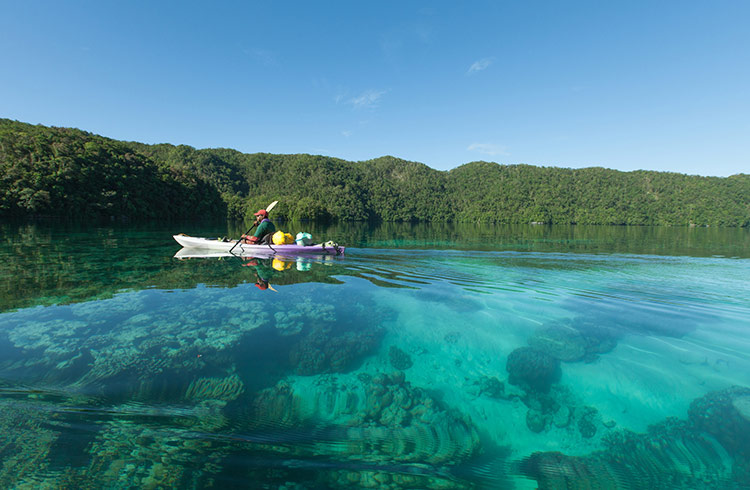
One of my first adventures in Palau was kayaking through the famed Rock Islands. These limestone formations, sculpted over millennia by wind and waves, rise dramatically from the turquoise waters, resembling giant, green mushrooms. The experience was surreal. Paddling through the maze of islands, I was struck by the stillness of the water and the vibrant colours surrounding me. From my kayak, I spotted numerous seabirds soaring overhead, their calls echoing through the tranquil air. Peering down through the crystal-clear water, I identified schools of vibrant reef fish – damselfish, parrotfish, and even the occasional shy butterflyfish darting among the coral gardens below. Rock Islands Kayaking Tours offer an unparalleled opportunity to connect with this unique landscape.
Jellyfish Lake: A Reminder of Nature's Fragility
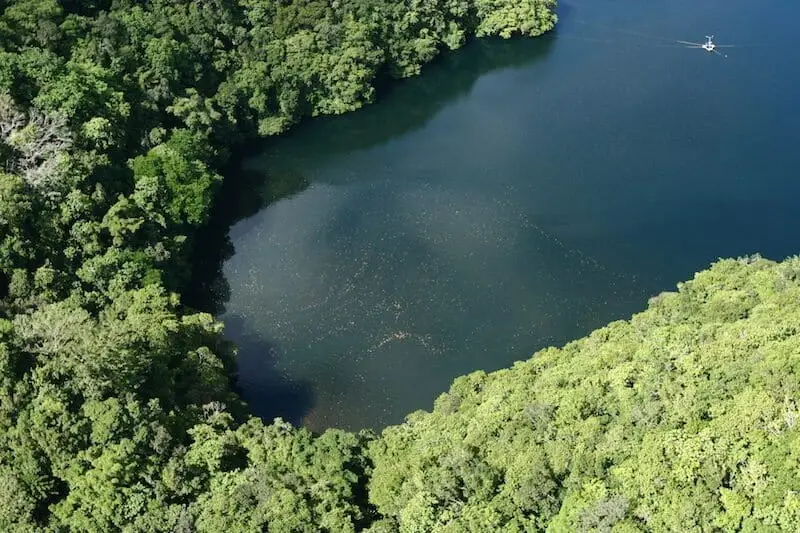
No trip to Palau is complete without acknowledging the poignant story of Jellyfish Lake. Though I could only respectfully observe it from the surface due to its closure, the lake remains a symbol of both Palau's unique biodiversity and the challenges it faces. Jellyfish Lake was once a thriving ecosystem, home to millions of golden jellyfish that had evolved in isolation. However, in recent years, the jellyfish population has experienced dramatic declines due to a combination of factors, including drought conditions and increased tourism activity.
Currently, Jellyfish Lake Palau Status is that it is temporarily closed to swimming and diving to allow the ecosystem to recover. The closure underscores the extreme ecological sensitivity of the site, and ongoing research is aimed at understanding the complex interplay of factors affecting the jellyfish population. The hope is that through careful monitoring and sustainable management practices, Jellyfish Lake will eventually reopen, allowing visitors to once again witness this natural wonder while ensuring its long-term survival. This is a critical aspect of sustainable travel Palau.
A Journey Back in Time: The Badrulchau Stone Monoliths
Beyond its marine wonders, Palau also boasts a rich cultural heritage. I ventured to the northern tip of Babeldaob Island to visit the Badrulchau Stone Monoliths, an ancient site shrouded in mystery. These towering basalt stones, some weighing several tons, are believed to have been erected around 150 AD. Archaeological evidence suggests that they may have served as a ceremonial ground or meeting place for the island's chiefs. Standing among these silent giants, I couldn't help but feel a sense of awe and connection to Palau's distant past, a past where the lives of its people were intricately intertwined with the natural world.
Diving into Paradise: Snorkeling German Channel
Snorkeling at German Channel was an unforgettable sensory experience. As I slipped into the water, I was immediately greeted by the sensation of a strong current, a testament to the channel's vital role in connecting the lagoon to the open ocean. The current brings with it an abundance of marine life. Almost immediately, I spotted a majestic manta ray gracefully gliding through the water, its massive wingspan dwarfing my own. Further along, I encountered grey reef sharks patrolling the reef edge, their sleek bodies a reminder of the raw power of the ocean. And the coral! The vibrant colors of the coral formations were dazzling – brilliant oranges, electric blues, and sunny yellows all competing for attention. This is what German Channel Snorkeling Palau is all about.
Rainforest Immersion: Hiking to Ngardmau Waterfall
Palau's beauty extends beyond its shores. I embarked on a hike to Ngardmau Waterfall, the highest waterfall in Micronesia. The trail wound through a dense rainforest, where the air was thick with humidity and the symphony of nature filled my ears. The sounds of chirping insects, rustling leaves, and distant bird calls created an immersive soundscape. Towering trees draped in vines formed a verdant canopy overhead. As I neared the waterfall, the air grew cooler, and I could feel the fine mist on my skin. Reaching the base of Ngardmau Waterfall, I was rewarded with a breathtaking sight – a cascading torrent of water plunging into a clear pool below.
A Taste of Palau: Exploring Local Cuisine
Palau's culinary scene offers a delightful blend of flavors. I savored a bowl of Tinola, a traditional ginger-flavored chicken broth. The warmth of the broth was comforting, and the subtle ginger flavor was both refreshing and invigorating. The chicken was incredibly tender, falling off the bone with ease. I also indulged in a fresh seafood BBQ. The smoky aroma of the grilled parrotfish and clams was irresistible. Each bite was an explosion of flavor, enhanced by the accompanying tangy sauces. Palau also promotes Palau local cuisine sustainable seafood options.
Ethical Considerations: Reflecting on Fruit Bat Soup
One of Palau's more controversial culinary offerings is fruit bat soup. While considered a local delicacy, I approached this dish with caution and a strong sense of ethical responsibility. The flavor of the soup was undeniably gamey, somewhat reminiscent of other dark meats, but with a distinct fruity undertone. However, the ethical implications of consuming fruit bats are significant. Fruit bats play a crucial role in pollination and seed dispersal, and their populations are already threatened by habitat loss and hunting. Consuming fruit bats can also pose potential health risks due to the possibility of disease transmission. In light of these concerns, it is essential to make sustainable food choices and consider the impact of our dietary habits on the environment. Eating sustainable means supporting Palau conservation efforts marine biology research.
Coral Reefs and Mangrove Forests: Pillars of Palau's Ecosystem

Palau's coral reefs are a kaleidoscope of life, teeming with a stunning array of marine organisms. During my dives and snorkeling trips, I observed a diverse range of coral species, including branching coral, brain coral, and soft coral, each contributing to the reef's intricate structure and vibrant colors. These reefs provide habitat for countless fish species, crustaceans, and invertebrates, forming a complex web of ecological interactions. Equally vital are Palau's dense mangrove forests. These coastal ecosystems serve as nursery grounds for many marine species, providing shelter and sustenance for juvenile fish, crabs, and shrimp. Mangrove forests also play a crucial role in protecting the coastline from erosion and buffering the impact of storms, being at the heart of the Palau Mangrove Ecosystem.
Conservation and Hope: Protecting Palau's Future
My time in Palau reinforced the critical importance of marine conservation. Palau faces numerous challenges, including climate change, overfishing, and pollution. Rising ocean temperatures are causing coral bleaching, threatening the health and survival of Palau's reefs. Unsustainable fishing practices are depleting fish stocks, disrupting the delicate balance of the marine ecosystem. Pollution from land-based sources is contaminating coastal waters, harming marine life and degrading water quality.
Fortunately, there are numerous organizations and initiatives working tirelessly to protect Palau's marine environment. The Palau National Marine Sanctuary, which protects 80% of Palau's Exclusive Economic Zone, is a testament to the nation's commitment to conservation. Local communities are also actively involved in conservation efforts, participating in beach cleanups, monitoring coral reefs, and promoting sustainable fishing practices.
One particularly inspiring anecdote from my trip was witnessing the vibrant health of a coral reef in a protected area. Despite the global threats facing coral reefs, this particular reef was teeming with life, a testament to the effectiveness of conservation measures. Seeing this thriving ecosystem filled me with hope for the future and reinforced my commitment to supporting marine conservation efforts in Palau and beyond. I hope that this experience encourages more sustainable tourism in Palau marine reserves. Let's all play our part in preserving this incredible marine paradise for generations to come. How can I travel sustainably in Palau? Choose eco-friendly tour operators, respect local customs, and support conservation initiatives.