Palau: Beyond Paradise - A Journey of Culture, C...
Palau. The name conjures images of pristine beaches, turquoise waters, and vibrant coral reefs. And while Palau certainly delivers on the promise of paradise, its true magic lies in its rich cultural heritage, unwavering commitment to conservation, and the opportunity for conscious travel. My recent trip to the Rock Islands Southern Lagoon, a UNESCO World Heritage Site, was an immersive experience that went far beyond the typical tourist trail. It was a journey that touched my soul, and I'm eager to share it with you. This is not just a vacation spot; it's a place where you can connect with nature, learn about a fascinating culture, and contribute to the preservation of a truly special corner of the world.
Kayaking Through Ancient Sculptures: The Rock Islands
The Rock Islands are nothing short of breathtaking. These limestone formations, sculpted over millennia by the relentless forces of tides and weather, rise dramatically from the azure sea. Lush mangrove forests cling to their bases, creating a vibrant contrast against the stark white rock. Beneath the surface, a kaleidoscope of coral reefs teems with marine life.
Kayaking through these islands was an unforgettable experience. As I paddled through narrow channels, surrounded by towering rock formations that felt like ancient sculptures, I felt a sense of awe and wonder. The silence was broken only by the gentle splash of my paddle and the calls of seabirds overhead. The sheer scale of the islands, combined with the intricate detail of the coral reefs below, created a truly immersive and magical environment.
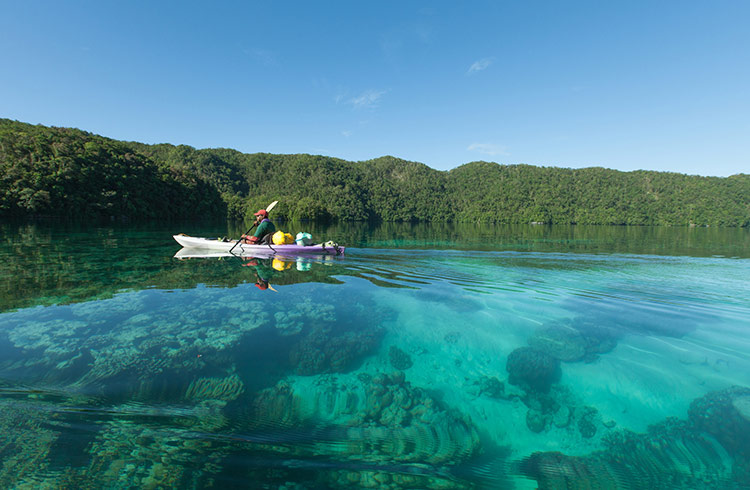
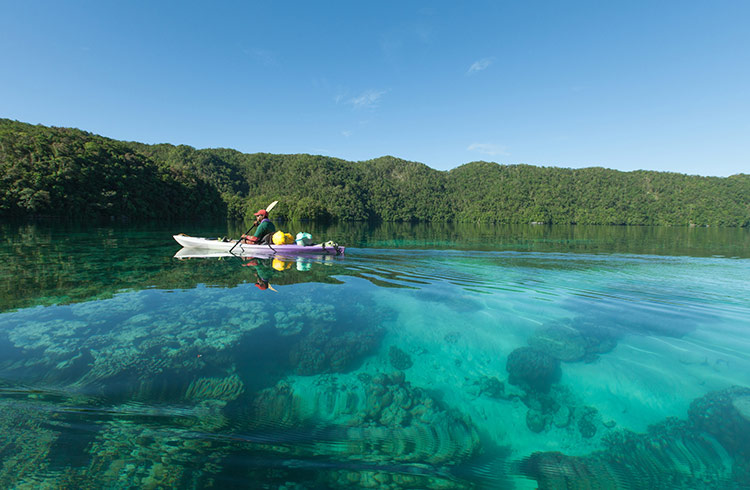
Kayaking through the Rock Islands offers an up-close view of the unique limestone formations and vibrant mangrove ecosystems. Paddling silently allows for a deep connection to Palau's natural beauty, a key part of responsible Palau responsible travel.
Jellyfish Lake: A Delicate Balance and Ethical Considerations
Jellyfish Lake is undoubtedly one of Palau's most iconic attractions. The experience of swimming among thousands of harmless jellyfish is surreal and unforgettable. Suddenly, a kaleidoscope of golden jellyfish appears, filling the screen in rapid succession. It is easy to understand how people would be amazed by this natural wonder.
However, it's crucial to approach this experience with a deep sense of responsibility. Tourism has had a significant impact on this fragile ecosystem, and it's up to us to minimize our impact. Swimming among these delicate creatures demands respect. Avoid touching them, as even gentle contact can disrupt their protective mucus layer. Use reef-safe sunscreen, as traditional sunscreens contain chemicals that are harmful to marine life.
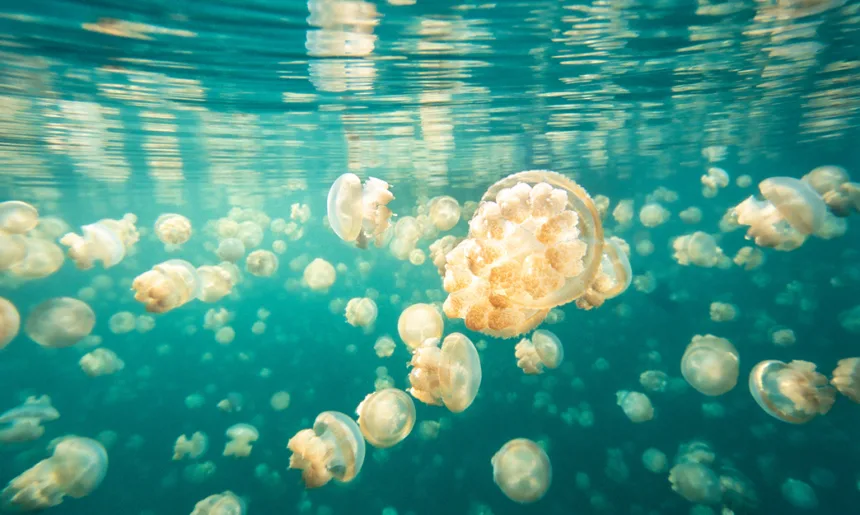
Swimming responsibly in Jellyfish Lake means avoiding contact with the jellyfish and using reef-safe sunscreen to protect their delicate ecosystem. Palau ethical travel is key to preserving this wonder for future generations.
Responsible tourism is paramount. Choose tour operators who prioritize sustainability and educate visitors on best practices. By being mindful of our actions, we can help ensure that Jellyfish Lake remains a thriving ecosystem for generations to come. How to visit Jellyfish Lake responsibly Palau is a question every traveler should ask.
Celebrating Palauan Culture: The Ngara Irrai Dances
Palau's cultural heritage is as captivating as its natural beauty. The Palauan people have a deep connection to their land and traditions, which are beautifully expressed through their art, music, and dance. One of the most striking examples of this is the Ngara Irrai cultural dances, performed during traditional ceremonies.
I was fortunate enough to witness one of these ceremonies, and it was a truly mesmerizing experience. The dancers, adorned in elaborate costumes and headdresses, moved with grace and precision to the rhythm of traditional drums and chants. The dances tell stories of Palauan history, mythology, and social customs. The Ngara Irrai dances Palau are not just a performance; they are a living embodiment of Palauan culture.
The Micronesia Island Forum, held annually in Palau, is a testament to the nation's commitment to regional cooperation and cultural exchange. This forum provides a platform for leaders from across Micronesia to discuss issues of common concern and to celebrate their shared cultural heritage.
Palauan Cuisine: A Taste of Tradition
Palauan cuisine is a delicious reflection of the island's natural resources and cultural influences. Seafood is, of course, a staple, but there are also many unique dishes to savor.
One of my favorites was tinola, a traditional Palauan chicken and papaya soup. This flavorful and comforting soup is made with tender chicken, green papaya, ginger, and other local spices. The preparation is simple, but the taste is complex and satisfying. Uluk, a breadfruit dish, is another must-try. Breadfruit can be prepared in a variety of ways – baked, fried, or steamed – and has a slightly sweet and nutty flavor.
It is important to note that Tama, the local name for coconut crab, is considered a delicacy in some parts of Palau. However, due to overconsumption, the coconut crab population has declined significantly. To protect this vulnerable species, avoid consuming coconut crab during your visit. Responsible eating habits contribute to Palau's conservation efforts. Remember to always practice responsible consumption of Palauan cuisine.
Palau's Commitment to Conservation: Protecting Paradise
Palau's commitment to conservation is truly inspiring. The nation has taken significant steps to protect its environment, including establishing the world's first national shark sanctuary and implementing strict regulations on fishing and tourism. In 2009, Palau created the world’s first shark sanctuary, protecting these vulnerable creatures within its exclusive economic zone.
Palau is a global leader in marine conservation, with approximately 80% of its marine territory designated as a protected area. The Palau National Marine Sanctuary, established in 2015, covers an area of 500,000 square kilometers and is one of the largest marine protected areas in the world. This sanctuary helps to protect Palau's incredible biodiversity and ensure the long-term health of its marine ecosystems. Palau sustainable tourism initiatives are at the forefront of environmental efforts.
Supporting Sustainable Tourism: A Call to Action
My trip to Palau was more than just a vacation; it was a journey of discovery, learning, and connection. It showed me the importance of responsible travel and the power of tourism to support conservation efforts.
I urge you to consider Palau for your next adventure. But when you do, please choose to support sustainable tourism initiatives. Stay at eco-lodges, patronize local tour operators committed to responsible practices, and support organizations dedicated to preserving Palau's natural and cultural heritage.
Here are a few resources to help you plan your trip:
By traveling consciously and supporting sustainable practices, we can all help to protect Palau's paradise for generations to come. Remember Palau ethical travel is not just a trend, but a necessity for the preservation of this beautiful destination. Where to experience Palauan culture ethically is always at the forefront of many travelers' mind.