Palau: A Marine Photographer's Love Letter to a...
Palau. Even the name whispers of pristine beaches, vibrant coral reefs, and an underwater world teeming with life. For a marine conservation photographer like myself, Kai Ishikawa, it’s a siren song I couldn’t resist. I recently wrapped up a month-long assignment here for National Geographic, tasked with capturing the breathtaking beauty of Palau and documenting the critical conservation efforts underway to protect it. It was an experience that pushed my skills to their limits, challenged my assumptions, and ultimately, reaffirmed my commitment to protecting our planet's oceans.
The humidity, let me tell you, is a beast! Gear fogs up constantly, and just moving around feels like a workout. But the sheer abundance of life, the vibrant colours, and the dedication of the Palauan people made it all worthwhile. They welcomed me with open arms and a generosity that truly humbled me. Tank yu tumas to the incredible people of Palau for their warmth and for sharing their incredible home with me.
Diving into the Deep: Encounters in Palau's Underwater Realm
Palau isn't just beautiful above the water; it's a whole other world beneath the surface.
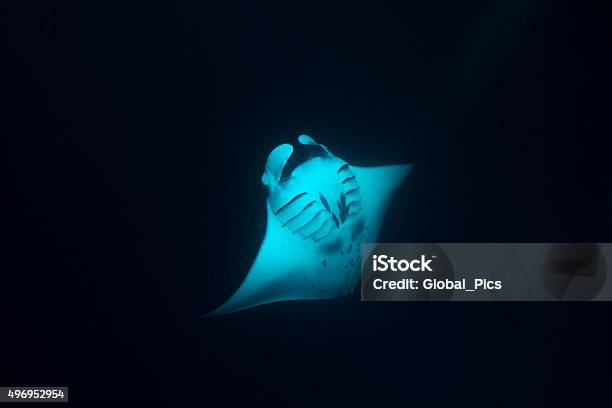
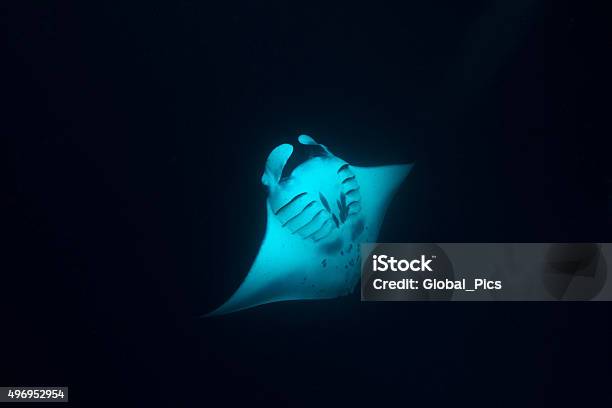
Freediving with Manta Rays at German Channel
One of the highlights was undoubtedly freediving with the manta rays at German Channel. Imagine gliding silently alongside these gentle giants, their massive wings effortlessly propelling them through the water. It's an ethereal experience, a dance between human and nature that leaves you breathless – both literally and figuratively!
Photographing them, however, presented a unique set of challenges. The light can be quite low in the channel, especially deeper down. I was shooting with a Sony a7S III in a Nauticam housing, relying heavily on available light. I typically kept my aperture wide open, around f/2.8, and bumped up the ISO to 3200 or even 6400 to capture enough detail. The water had a dreamy, almost mystical quality, with shafts of sunlight piercing through the murk. It felt like entering another dimension.
Responsible tourism is paramount in this area. The manta rays are drawn to the cleaning stations in the channel, so it’s crucial to maintain a respectful distance and avoid disrupting their natural behaviour. We need to ensure that these magnificent creatures can continue to thrive in their natural habitat.
Kayaking Through Jellyfish Lake: A Story of Resilience
Jellyfish Lake is a testament to nature's incredible capacity for recovery. After facing environmental challenges a few years ago, the jellyfish population has rebounded, offering a truly unique and surreal experience.
Paddling through the lake, surrounded by thousands of golden and moon jellyfish, is like entering a living dream. These jellyfish have adapted to the absence of predators, losing their stinging cells, making it safe to swim and kayak amongst them. Photographing them was fascinating. The angle of the sun played a crucial role, creating stunning reflections on the water's surface and illuminating the translucent bodies of the jellyfish. Early morning or late afternoon offered the best light, casting a warm, golden glow across the lake.
Coral Planting: Hands-On Conservation
Beyond capturing Palau's beauty, I also had the opportunity to participate in a coral planting project with a local NGO. This hands-on experience provided invaluable insight into the science and dedication behind reef restoration.
We worked in a section of reef that had been damaged by storms and bleaching. The process involved attaching small coral fragments to artificial substrates, which were then carefully placed back onto the reef. It was incredibly rewarding to see firsthand how these efforts can help revitalize damaged ecosystems. The weather was hot and humid, but the passion of the locals made it all worth while. The contrast between the bleached, lifeless coral and the vibrant, healthy coral in the adjacent areas was stark and drove home the urgency of conservation efforts.
A Taste of Palau: Sustainable Cuisine
Palauan cuisine is a delightful reflection of the island's rich natural resources and commitment to sustainability.
Ulok (Fermented Breadfruit)
Ulok is a staple food in Palau, and experiencing it was a real treat. The breadfruit is traditionally fermented in underground pits, giving it a slightly tangy and unique flavour. The texture is dense and slightly chewy. The ulok I tasted was a beautiful golden brown colour, served in woven baskets lined with banana leaves. Sustainable farming practices are crucial for breadfruit cultivation, ensuring the long-term availability of this important food source.
Tinola (Ginger-Based Chicken Soup with Green Papaya)
Tinola is a comforting and flavourful soup that I thoroughly enjoyed. The aroma of ginger filled the air as it simmered, creating a truly inviting experience. The chicken, sourced from free-range farms, was tender and flavorful, while the locally grown green papaya added a subtle sweetness. This soup is packed with nutrients and is a testament to the ingenuity of Palauan cuisine, utilizing readily available ingredients. Efforts to reduce food waste and promote locally grown produce are increasingly important in preserving Palauan culinary traditions and supporting local farmers.
Palau's Landscape: A Photographer's Paradise
The Rock Islands: Sculpted by Time
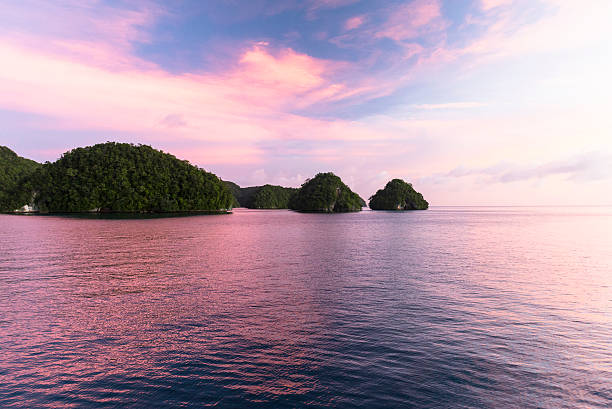
The Rock Islands are arguably Palau's most iconic feature. These limestone islands, sculpted by centuries of erosion, rise majestically from the turquoise waters, resembling giant, verdant mushrooms. The play of light and shadow on the islands at different times of the day is mesmerizing, creating endless photographic opportunities.
Mangrove Forests: Nurseries of the Sea
Palau's mangrove forests are vital nurseries for marine life, providing shelter and sustenance for countless species. Photographing them, however, presented a real challenge. The dense foliage and low light made it difficult to capture the intricate details of the ecosystem. I encountered several different species of mangroves, each playing a unique role in supporting the delicate balance of the coastal environment.
Environmental Concerns: A Call to Action
As a conservation photographer, I couldn't help but notice the impact of climate change on this fragile environment. Coral bleaching was evident in several areas, and I witnessed firsthand the effects of erosion on the Rock Islands. Rising sea levels pose a significant threat to Palau, and it’s crucial that we take action to address this global crisis. Witnessing this firsthand was deeply concerning and reinforced my resolve to use my photography to raise awareness about these pressing issues.
Photography Notes:
- Underwater Photography: Patience is key! Waiting for the perfect moment, the right angle of light, and the clear shot is crucial.
- Natural Light: I relied heavily on natural light, especially underwater. Understanding how light interacts with the water and the subject is essential.
- Murky Water: Dealing with murky water requires adjusting your settings and getting as close as possible to your subject.
- Equipment: My primary setup included a Sony a7S III in a Nauticam housing, along with various lenses, including a wide-angle lens for underwater landscapes and a macro lens for capturing smaller details.
One of my most memorable shots was capturing a manta ray breaching the surface, with the Rock Islands as a backdrop. I had been waiting for hours, anticipating the moment. When it finally happened, I quickly adjusted my settings (ISO 800, f/5.6, 1/1000 shutter speed) and fired off a series of shots. It was a challenging shot to capture, as the manta ray was moving quickly, and the light was constantly changing. But in the end, I managed to get the perfect shot, capturing the power and grace of these magnificent creatures.
Palau: An Invitation to Responsible Exploration
My time in Palau was a transformative experience. It's a place of unparalleled beauty, a haven for marine life, and a reminder of the importance of conservation. I urge you to visit Palau, to experience its wonders firsthand, and to support sustainable tourism practices that will help protect this precious ecosystem for generations to come. By choosing eco-conscious tours, supporting local businesses, and respecting the environment, we can all play a part in preserving Palau's natural heritage.