Palau: A Family's Journey into Conservation
Pal...
Palau, a hidden gem nestled within Oceania, offers an unparalleled experience for those seeking both natural beauty and meaningful engagement with conservation. Our family, consisting of myself, Kai Nakamura, a 45-year-old marine biologist specializing in coral reef conservation, my wife Hana, and our teenage children, Kenji (17) and Sakura (15), recently embarked on a transformative journey to this remarkable archipelago. As our plane approached, the view of the Rock Islands Southern Lagoon, a UNESCO World Heritage Site, was breathtaking. Vibrant turquoise waters contrasted sharply against the dark green, mushroom-shaped limestone islands bathed in the golden late afternoon sun. A feeling of anticipation and excitement washed over us as we prepared to explore this unique and fragile environment. We were ready to delve into the heart of Palau's natural wonders.
Diving into Conservation: Planting Coral with the Palau Legacy Project
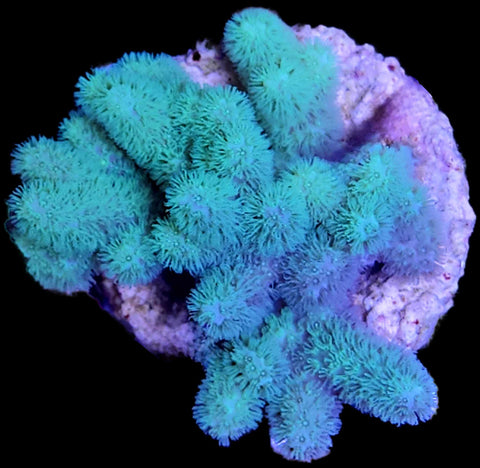
One of the most impactful experiences of our trip was participating in a coral planting initiative with the Palau Legacy Project [palaulegacyproject.org]. This hands-on activity allowed us to directly contribute to the restoration of Palau’s vital coral reefs. The project staff provided a comprehensive overview of coral reef ecology and the threats they face, from climate change to pollution. Then, we got to work.
The practical steps were straightforward yet incredibly rewarding. We used specialized tools to carefully attach coral fragments to designated areas on artificial reef structures. I explained to Kenji and Sakura the importance of coral restoration, emphasizing how these efforts can help rebuild damaged reefs and increase their resilience to future stressors. They were initially hesitant, but quickly became enthusiastic. The kids reveled in the opportunity to get their hands dirty, actively contributing to the health of the ocean. Hana captured the moment beautifully:
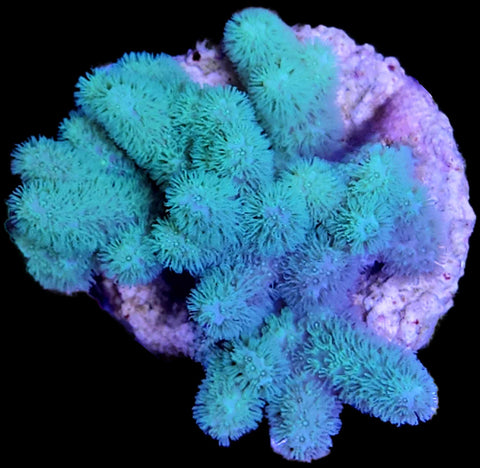
The sense of accomplishment we all felt after planting new coral fragments was immense. Knowing that we played a small part in helping to revitalize these precious ecosystems made the experience truly unforgettable. This is a great example of sustainable family travel Palau.
Kayaking Through Paradise: Ulong Channel and Jellyfish Lake
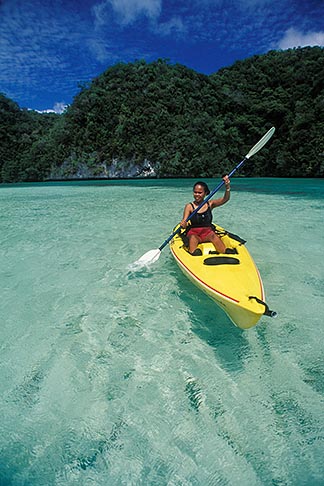
Our exploration of Palau continued with a kayaking tour through the iconic Rock Islands. Paddling through the calm, turquoise waters, weaving between the stunning limestone formations, was an absolute dream. The sun dappled the water's surface, creating a mesmerizing play of light and shadow. Our first stop was Ulong Channel, a renowned drift snorkeling site. The current gently carried us over vibrant coral gardens teeming with colorful fish.
Next, we ventured to the famed Jellyfish Lake. Kenji was initially nervous about entering the lake, concerned about being stung. However, once he slipped into the water, his apprehension quickly vanished. Sakura marveled at the thousands of golden jellyfish pulsating gently around her. Hana, an avid underwater photographer, was in her element, capturing stunning images of these unique creatures.
Understanding Jellyfish Lake: A Delicate Ecosystem
Jellyfish Lake is a fascinating example of evolution in isolation. The jellyfish here have evolved to lose their stinging cells due to the lack of predators. However, the ecosystem is incredibly delicate. It's crucial to remember the ethical considerations of tourism impacting the jellyfish population.
Here are some practical tips for responsible visitation:
- No Sunscreen: Sunscreen chemicals can harm the jellyfish and other marine life.
- Gentle Movements: Avoid kicking or splashing, as this can disturb the jellyfish and their habitat.
- No Touching: Resist the urge to touch the jellyfish. While they don't sting, handling them can still disrupt their protective mucus layer.
Snorkeling German Channel: A Manta Ray Spectacle
Another highlight of our trip was a snorkeling excursion to German Channel. The anticipation built as we approached the channel, known as a prime location for manta ray sightings. The feeling of the cool, clear water against our skin as we dove beneath the surface was invigorating.
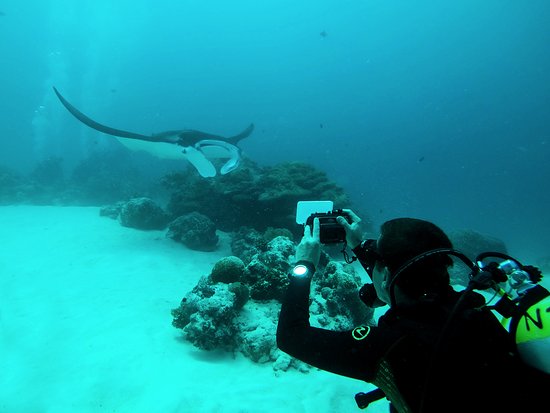
Almost immediately, we spotted them. Majestic manta rays glided gracefully through the channel, their massive wings spanning wide. It was like witnessing an underwater ballet. Hana managed to capture some incredible shots:
From a scientific perspective, manta rays play a vital role in the ecosystem. As filter feeders, they help control plankton populations and maintain water quality. Their presence is a sign of a healthy marine environment, and it’s vital that we protect them.
Immersing Ourselves in Palauan Culture: A Traditional BBQ
To truly experience Palau, we knew we had to immerse ourselves in its rich culture. We were fortunate enough to attend a traditional Palauan BBQ (Ngaraard Bay), a sensory feast that engaged all our senses. The smoky aroma of grilling fish and meats filled the air, mingling with the vibrant colors of locally sourced fruits and vegetables. The rhythmic sounds of traditional Palauan music provided a captivating backdrop.
We were invited to participate in the preparation of bai, a traditional Palauan dish made with taro, coconut milk, and spices. It was fascinating to learn about the history of its preparation and its cultural significance. The process involves grating taro root, mixing it with fresh coconut milk and a blend of local spices, then wrapping it in banana leaves and baking it in an underground oven. The family thoroughly enjoyed helping prepare the dish.
The Rock Islands: A Kayaker's Perspective
Kayaking allowed us a unique perspective on the Rock Islands. These incredible limestone formations, sculpted by centuries of erosion, rise dramatically from the vibrant turquoise waters. The feeling of being immersed in this natural wonder is indescribable. The colors are simply stunning – the deep greens of the vegetation contrasting with the brilliant blues of the ocean. The reflections on the water create an ethereal quality, and the sounds of the birds calling in the distance add to the sense of tranquility.
As a marine biologist, I couldn't help but observe the health of the coral reefs while snorkeling and diving. Sadly, we did see signs of coral bleaching in some areas, a stark reminder of the impact of climate change. However, we also witnessed areas where conservation efforts are making a positive impact. We observed numerous fish species, including vibrant parrotfish, angelfish, and damselfish, as well as healthy algae populations indicating a diverse ecosystem. Palau coral reef snorkeling tours are truly incredible, but we must be responsible.
Practical Information for Planning Your Trip
For those planning a trip to Palau, here's some practical information:
- Accommodation: We stayed at the Palau Pacific Resort, a locally-owned eco-resort committed to sustainable practices.
- Rock Islands Permit: Entry fees to the Rock Islands are $100 USD per person for a 10-day permit.
- Budget: Our 10-day trip for a family of four cost approximately $7,000 USD (excluding flights).
It's crucial to support local businesses and choose eco-friendly tour operators when visiting Palau. This helps ensure that tourism benefits the local community and minimizes its environmental impact. Be sure to inquire about Ecotourism certifications.
A Call to Action: Protecting Palau's Future
Our family's journey to Palau was more than just a vacation; it was an educational and transformative experience. We learned firsthand the importance of conservation and the impact that even small actions can have on protecting our planet. Sustainable family travel Palau is an incredibly rewarding experience.
We encourage you to support the Palau Legacy Project [palaulegacyproject.org] and other conservation organizations dedicated to protecting Palau's unique environment.
Here are some ways you can help:
- Donate: Support their ongoing conservation efforts.
- Volunteer: Participate in coral planting or other restoration projects.
- Spread Awareness: Share information about Palau and its conservation needs with your friends and family.
When visiting Palau, remember to adopt responsible travel practices: minimize your environmental impact, respect local culture, and support local businesses.
As Kenji so eloquently put it: "Before this trip, I knew about climate change, but seeing it and helping fix it made me realize how important it is to protect places like Palau."