Olympic National Park: Where Rainforest Meets th...
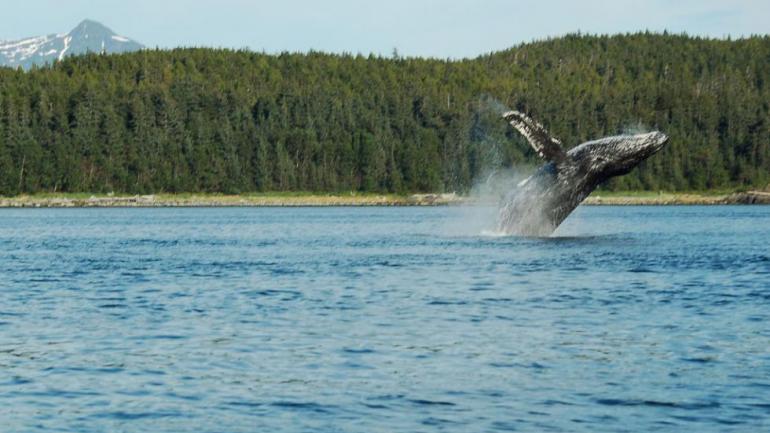
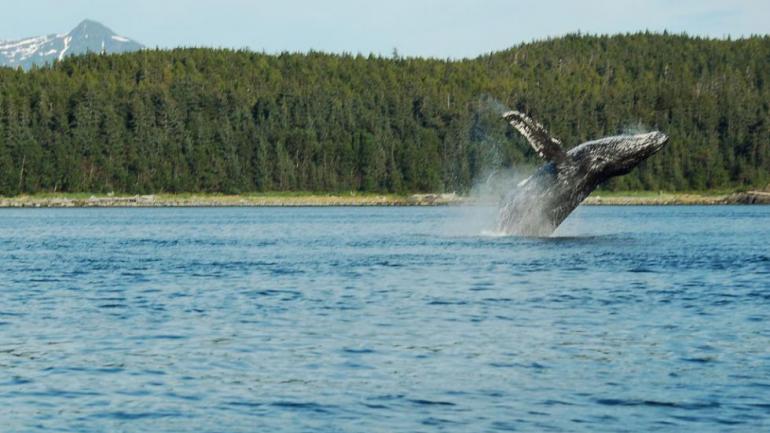
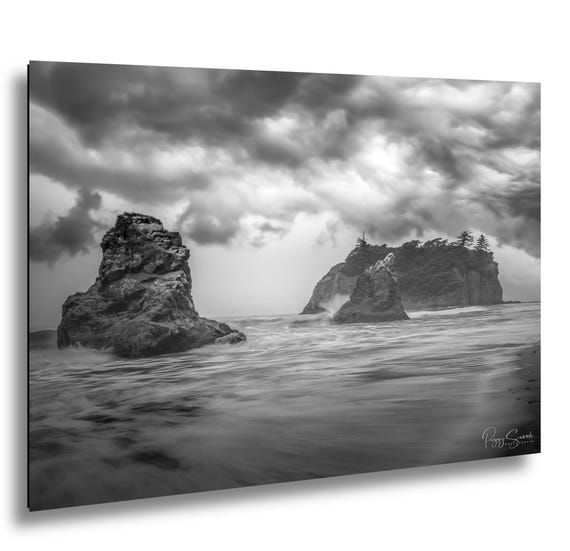
The setting sun cast long shadows across the sea stacks when I heard it – a rush of air, a powerful exhale, followed by the unmistakable sight of a pod of transient orcas breaching just offshore. It was the T65A pod, known for hunting seals in the area, and their presence felt both awe-inspiring and deeply concerning given the local seal population. This unexpected encounter on my last evening at Rialto Beach perfectly encapsulated my week exploring Olympic National Park wildlife viewing: a breathtaking convergence of beauty and a stark reminder of the delicate balance within this extraordinary ecosystem.
Before that incredible moment, my days were filled with exploring the diverse ecosystems of the park, all in pursuit of the perfect shot. As a marine biologist and amateur wildlife photographer, the park offered a unique opportunity to observe and document the incredible biodiversity of the Pacific Northwest. From the rugged coastline to the lush rainforest, every corner of Olympic National Park held a new wonder waiting to be discovered, and a new challenge to capture through my lens. My journey was a reminder of the importance of sustainable tourism Olympic National Park and the need to protect this precious resource.
Tide Pooling at Ruby Beach: A Symphony of Sea Life
Ruby Beach is a treasure trove for anyone fascinated by marine life, and I spent hours there during low tide, marveling at the intricate ecosystems revealed. Tide pooling Olympic National Park tips are essential for responsible exploration. I carefully navigated the rocky terrain, making sure to avoid stepping on any of the delicate creatures clinging to the rocks. One of the most striking sights was the ochre sea stars (Pisaster ochraceus) clinging stubbornly to the rocks, their vibrant colors adding a splash of life to the grey landscape.
Equally captivating were the vibrant green anemones (Anthopleura xanthogrammica) swaying gently in the current, their tentacles reaching out to capture unsuspecting prey. Observing them felt like peering into a miniature underwater garden. The diligent black oystercatchers (Haematopus bachmani) added another layer of interest as they foraged along the shoreline, their bright orange beaks probing into crevices in search of food. The whole experience showcased the incredible biodiversity of Olympic National Park marine life.
Responsible Tide Pooling: Leave No Trace
When tide pooling near La Push Washington with kids, remember to always supervise them. Ensure they are not disturbing or removing any marine life. Turning over rocks can disrupt the ecosystem beneath. Always return rocks to their original position. Avoid touching the animals, as oils from our skin can harm them.
Exploring the Hoh Rainforest: A World of Emerald Green
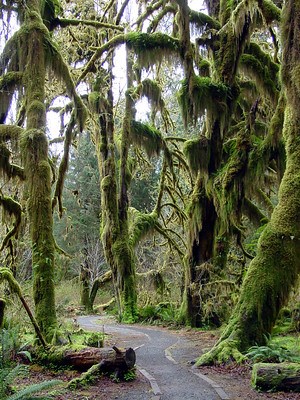
Leaving the coast, I ventured into the heart of the Olympic Peninsula and immersed myself in the magical Hoh Rainforest. Olympic National Park rainforest hikes are unlike anything else, and the Hall of Mosses trail was an unforgettable experience. The air was thick with moisture, and the sounds of dripping water created a soothing, almost mystical atmosphere. The scent of damp earth and decaying leaves filled my nostrils, grounding me in the present moment.
The towering Sitka spruce and Douglas fir trees, draped in club moss (Selaginella selaginoides) and various bracket fungi like Artist's Conk (Ganoderma applanatum), were truly awe-inspiring. It felt like stepping into another world, a realm of giants and ancient secrets. I spent hours wandering among these majestic trees, trying to capture their grandeur with my camera. Hoh Rainforest photography is challenging due to the low light, but the rewards are immense.
Accessibility in the Hoh Rainforest
The Hall of Mosses Trail in the Hoh Rainforest is relatively flat and well-maintained, making it one of the Olympic National Park accessible hiking trails for seniors and those with limited mobility. However, the ground can be uneven and slippery, so appropriate footwear is essential.
Kayaking on Lake Quinault: Reflections of Serenity
My exploration continued with a kayaking trip on Lake Quinault. The experience was one of pure serenity. The calm waters perfectly reflected the surrounding mountains and forests, creating a breathtaking panorama. Paddling across the lake, I felt a sense of peace and tranquility wash over me.
The lake was teeming with birdlife, including majestic bald eagles soaring overhead and nimble kingfishers darting across the water in search of fish. I even spotted a few osprey perched on the branches of dead trees, patiently waiting for their next meal. Lake Quinault kayaking tours are a fantastic way to experience the beauty and tranquility of this pristine lake.
Best time to visit Olympic National Park for wildlife
The best time to visit Olympic National Park for wildlife is during the spring and summer months. This is when many animals are most active and visible. However, be aware that the weather can be unpredictable, so it's always a good idea to pack for all conditions.
A Taste of the Pacific Northwest: Seafood in Forks, WA
No trip to the Olympic Peninsula is complete without indulging in the local cuisine, and I made sure to sample the fresh seafood that Forks, WA, has to offer. One evening, I enjoyed a delicious grilled salmon with roasted vegetables at the Three Rivers Resort restaurant. The salmon was cooked to perfection, and the vegetables were fresh and flavorful. Another day, I packed a picnic lunch consisting of smoked salmon sandwiches and local berries, which I enjoyed on a hike overlooking the Pacific. Experiencing Forks Washington seafood restaurants adds another layer to the Olympic National Park experience.
Supporting Local Businesses
By dining at local restaurants and purchasing local products, you can contribute to the economy of the region and support the communities that depend on Olympic National Park.
Why is Olympic National Park so diverse?
Olympic National Park's unique diversity stems from its location and varied topography. The Olympic Mountains create a rain shadow effect, resulting in the lush rainforest on the western side and drier forests on the eastern side. The park's proximity to the Pacific Ocean also influences its climate and biodiversity.
Confronting Orcas and the Seal Population
The encounter with the T65A pod of orcas brought into sharp focus the challenges facing the park's marine ecosystem. These transient orcas are known for hunting seals, and their presence raises concerns about the health of the local seal population. It's a reminder that even in a protected area like Olympic National Park, wildlife populations are vulnerable and require careful monitoring and management. Where to find harbor seals Olympic National Park beaches requires some research, and it's essential to keep a safe distance.
Conclusion: Protecting a National Treasure
Olympic National Park is a treasure, but it faces increasing pressure from tourism and climate change. What marine wildlife can you see in Olympic National Park? From seals and sea otters to whales and seabirds, the park is home to a diverse array of marine life. However, their survival depends on our collective responsibility. If you plan a visit, remember to leave no trace, respect the wildlife, and consider supporting the Olympic National Park Institute (wnpa.org) to help preserve this incredible place for future generations. My photographs are a testament to its beauty, but its future depends on our collective responsibility.