Olympic National Park: A Marine Biologist's Urge...
As a wildlife biologist specializing in marine ecosystems, I’ve spent my career witnessing the intricate beauty and delicate balance of our planet’s oceans. My recent trip to Olympic National Park in Washington State was a stark reminder of just how fragile these ecosystems are, especially in the face of accelerating climate change. From the intertidal zones teeming with life to the towering rainforests that act as vital carbon sinks, the park is a microcosm of global environmental challenges, demanding our immediate attention and action. Join me as I share my observations and insights, highlighting the urgent need to protect this national treasure.
Tide Pooling at Rialto Beach: A Grim Warning from the Ochre Sea Stars
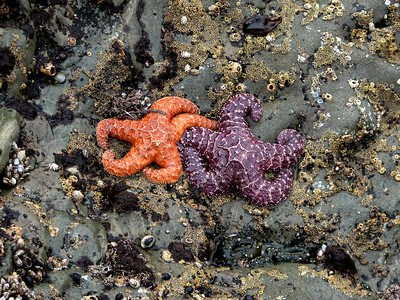
Rialto Beach, with its dramatic sea stacks and endless horizon, is a breathtaking introduction to Olympic National Park's coastal wonders. But my focus during a recent low tide was drawn to the intertidal zone, a vibrant community of organisms struggling to survive. I was particularly concerned with the ochre sea stars (Pisaster ochraceus), once a dominant species in these tide pools. These iconic creatures are now battling sea star wasting syndrome, a devastating disease linked to rising ocean temperatures.
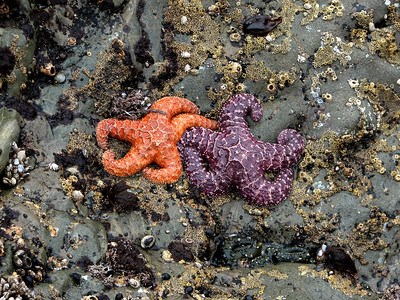
The symptoms are gruesome: lesions, limb detachment, and eventual disintegration. Seeing these keystone predators succumb to this illness is a chilling reminder of the far-reaching consequences of our changing climate. Their decline has cascading effects throughout the food web, disrupting the delicate balance of the intertidal ecosystem. For more in-depth information on sea star wasting syndrome, I recommend this research paper from the University of Washington's School of Aquatic and Fishery Sciences.
Beyond the biological devastation, the physical landscape of Rialto Beach also tells a story of change. The towering sea stacks, iconic landmarks formed by relentless wave erosion, are a testament to the power of the ocean. However, with sea levels rising and storm surges intensifying due to climate change, this erosion is accelerating. The coastline is receding, and these magnificent formations are increasingly vulnerable.
Elwha River: Witnessing Ecological Recovery After Dam Removal
From the rugged coast, I ventured inland to witness a remarkable example of ecological restoration: the Elwha River. The Elwha River Restoration Project, the largest dam removal project in history, aimed to revitalize the river ecosystem and restore salmon runs that had been blocked for over a century. Kayaking down the Elwha, I was filled with hope as I observed the river's remarkable recovery.
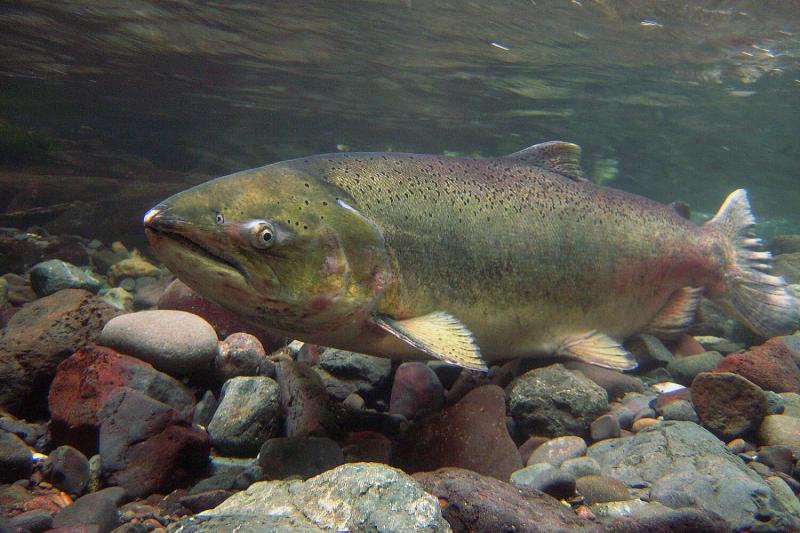
The most encouraging sight was the increased salmon (Oncorhynchus spp.) spawning activity. These iconic fish are crucial to the entire ecosystem, providing food for a wide range of wildlife, from bears and eagles to otters and even the surrounding forest. The return of salmon is not just a victory for the fish themselves, but for the entire ecological community. Riparian vegetation is also rebounding, stabilizing the riverbanks and providing critical habitat. You can learn more about this incredible effort on the National Park Service's page about the project.
However, even this success story is threatened by climate change. Rising water temperatures and altered streamflow patterns due to glacial melt can negatively impact salmon populations, undoing years of hard work. The delicate balance of the Elwha River ecosystem requires ongoing monitoring and proactive conservation efforts to ensure its long-term health.
Hoh Rainforest: Unveiling the Vital Role of Fungi in Carbon Sequestration
Venturing further inland, I experienced the awe-inspiring beauty of the Hoh Rainforest, one of the largest temperate rainforests in the United States. This lush, verdant landscape is a testament to the power of nature, but it's also a critical player in mitigating climate change through carbon sequestration.
A guided hike through the rainforest, led by a local expert, opened my eyes to the fascinating world of fungi. We identified various species, including the vibrant Amanita muscaria and the edible Hydnum repandum (hedgehog mushroom). More importantly, we learned about their symbiotic relationships with the old-growth trees.
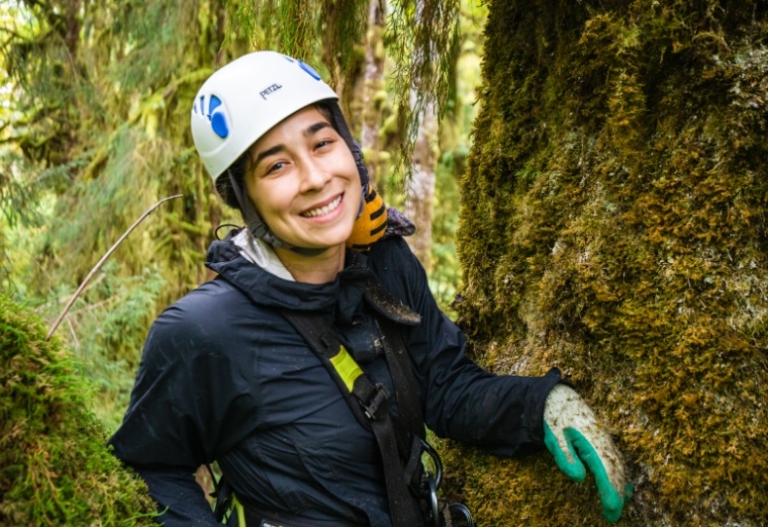
These fungi form mycorrhizal networks, connecting the roots of different trees and facilitating the exchange of nutrients and water. They also play a crucial role in decomposing organic matter, releasing nutrients back into the soil. The health of the rainforest, including its fungal communities, is directly linked to its ability to absorb and store carbon dioxide from the atmosphere. Protecting these ancient forests is therefore essential in combating climate change. Preserving these forests helps mitigate the effects of glacial retreat on the Olympic Mountains, and rising ocean temperatures that are negatively impacting marine wildlife.
Sustainable Dining in Forks and Port Angeles: A Taste of Conservation
Our choices extend beyond the trails and into our dining habits. Supporting sustainable dining options in nearby towns like Forks and Port Angeles is a crucial part of responsible tourism. Restaurants like Forage NW in Port Angeles are committed to using locally sourced, sustainable ingredients.
I highly recommend trying their pan-seared halibut, sourced directly from local fishermen and served with foraged mushrooms and seasonal vegetables. By choosing restaurants that prioritize sustainability, we can support local economies and reduce our carbon footprint, ensuring that our culinary experiences contribute to the park's long-term health. It is important when considering the impact of glacial meltwater, and how it can impact endangered species, that we support local providers committed to ethical and envrionmentally conscious practices.
Glacial Retreat: A Visible Sign of a Changing Climate
The Olympic Mountains, the park's majestic backbone, are experiencing significant glacial retreat due to rising temperatures. These glaciers are not just scenic features; they are vital sources of freshwater, feeding rivers and streams that support diverse ecosystems. As the glaciers shrink, water availability decreases, impacting everything from salmon populations to the health of the rainforest. The effects of glacial melt are widespread and alarming, underscoring the urgency of addressing climate change.
A Call to Action: Protecting Olympic National Park for Future Generations
Olympic National Park is a treasure trove of biodiversity, a living laboratory for ecological research, and a powerful reminder of the interconnectedness of all living things. However, it is also a vulnerable ecosystem facing unprecedented challenges from climate change. We cannot afford to stand idly by while this natural wonder is threatened.
Here's what you can do to help preserve Olympic National Park:
- Donate to the Olympic National Park Fund: Your contributions will support critical research, restoration projects, and educational programs. Donate Here
- Volunteer for citizen science initiatives: Participate in programs like the Coastal Observation and Seabird Survey Team (COASST) to monitor marine wildlife and contribute valuable data to scientific research. COASST
- Practice sustainable travel: Choose eco-friendly accommodations, support local businesses committed to sustainability, and minimize your impact on the environment.
- Educate yourself and others: Learn more about the challenges facing Olympic National Park and share your knowledge with friends, family, and colleagues.
By working together, we can ensure that Olympic National Park continues to thrive for generations to come. Let's act now to protect this irreplaceable natural heritage. Consider ethical wildlife viewing that minimizes disturbance to marine life. Support Sustainable Transportation on the Olympic Peninsula. Consider how dams affect salmon populations and reforestation efforts.