Olympic National Park: A Journey Through Three...
Ever wonder where you can hike through a rainforest dripping with banana slugs in the morning, discover purple sea urchins in tide pools at sunset, and fall asleep beneath a sky dusted with more stars than grains of sand on Rialto Beach? I recently returned from an unforgettable trip to Olympic National Park, and let me tell you, it’s a place that truly lives up to its reputation as one of America’s most diverse and breathtaking landscapes. This wasn't just a vacation; it was an immersion into three distinct ecosystems, each more captivating than the last. Come along as I recount my journey, and perhaps you'll be inspired to plan your own eco-conscious adventure.
A vibrant snapshot of the Hoh Rainforest, showcasing the dense greenery and unique ecosystem.
Whispers of the Ancients: The Hoh Rainforest
The Hoh Rainforest is an experience unlike any other. Stepping onto the Big Cedar Trail feels like entering another world – one where emerald moss drapes everything, and the air hangs thick and heavy with moisture. The sheer scale of the trees is humbling. As I walked, I came across the "Big Cedar," a massive fallen tree that has become a nurse log, nurturing new life from its decaying form. It's estimated this giant fell due to a combination of factors – likely wind, old age, and perhaps soil erosion undermining its roots. Standing next to it, I felt a profound connection to the cycles of life and death in the forest.
Then, a sound pierced the silence – a Roosevelt Elk bugling in the distance. It began as a high-pitched whistle, almost bird-like, quickly followed by a series of guttural grunts that reverberated through the trees. It was a primal, unforgettable sound, a reminder of the wild heart beating within the rainforest.
Painting the Sky: Sunrise from Hurricane Ridge
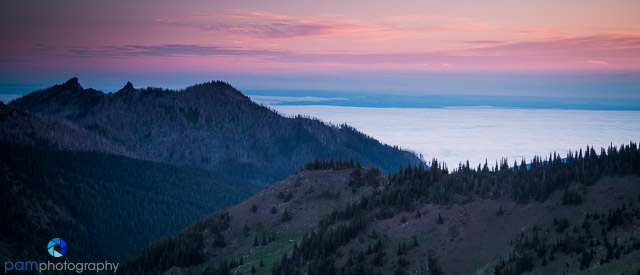
The winding drive up Hurricane Ridge is not for the faint of heart, but trust me, the reward is immeasurable. As the sun began to crest the horizon, Mount Olympus was bathed in alpenglow – a breathtaking display of pink and orange hues that made the mountain seem almost ethereal. It felt close enough to touch, an illusion of proximity created by the crisp mountain air and the sheer grandeur of the scene.
From this vantage point, the entirety of Olympic National Park seemed to unfold below. I could see the jagged peaks of the Olympic Mountains, the vast expanse of the Pacific Ocean stretching to the horizon, and glimpses of the deep green valleys where the rainforest thrives. It was a panorama that truly captured the park's incredible diversity.
Ozette Triangle: A Coastal Challenge
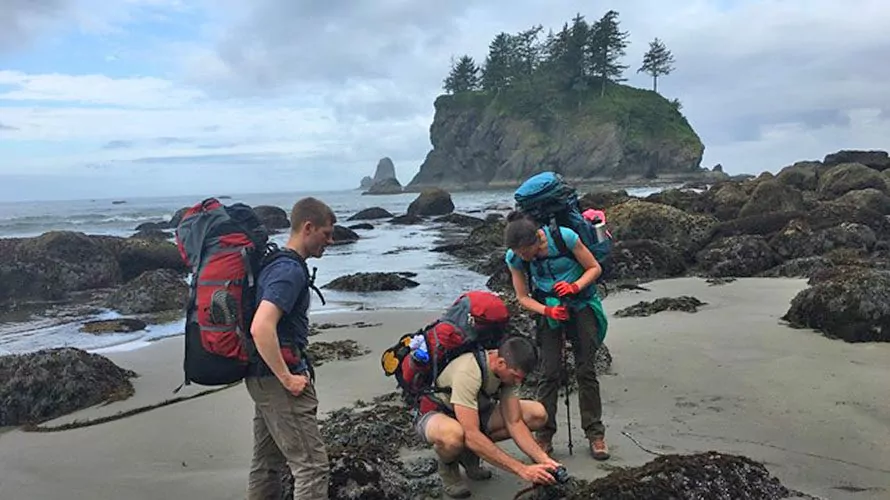
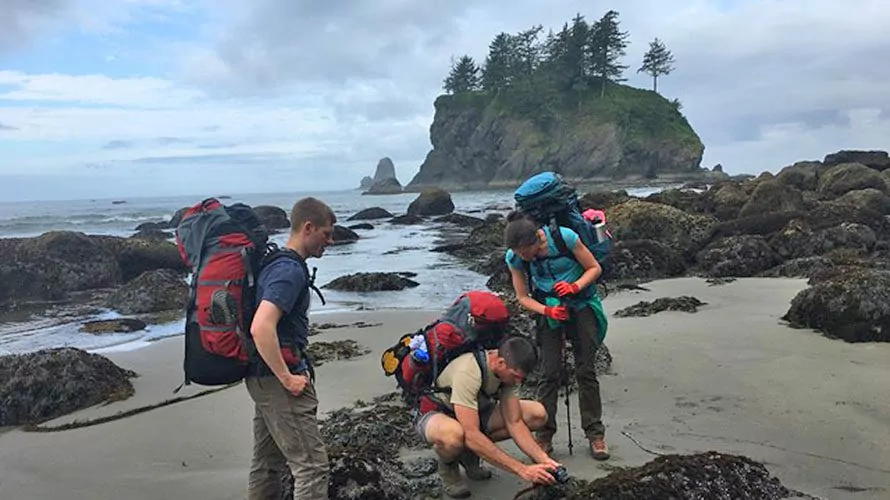
Backpacking the Ozette Triangle was arguably the most challenging, and rewarding, part of the trip. This 9-mile loop takes you along the rugged coastline, alternating between sandy beaches and headlands. Timing is everything; negotiating the headlands at low tide is crucial, as high tide can leave you stranded. I learned this lesson firsthand, having to scramble a little faster than anticipated to avoid the incoming waves!
The ancient petroglyphs at Wedding Rocks, depicting orcas and other marine life.
One of the highlights of the Ozette Triangle is Wedding Rocks, a collection of boulders adorned with ancient petroglyphs. These carvings, created by the Makah people, depict orcas, wolves, and other creatures significant to their culture. Looking at these images, I couldn't help but wonder about the stories they told, perhaps tales of hunting prowess or spiritual connections to the natural world. Indigenous stories often intertwine the orca and the wolf, symbolizing cooperation and family, and it’s likely these carvings represent something similar.
Sadly, even in this remote wilderness, the impact of human activity was evident. Despite my best efforts to pack out everything I packed in, the amount of trash I saw on the beaches was disheartening. This served as a stark reminder of the importance of responsible tourism and the "Leave No Trace" ethic.
Treasures of the Tide Pools
Exploring the tide pools at low tide was like discovering a hidden world. I found gumboot chitons clinging tightly to the rocks, their leathery shells blending seamlessly with the surroundings. Ochre sea stars, vibrant in color, were locked in a slow-motion feast, devouring mussels with relentless efficiency. And everywhere, tiny hermit crabs scurried about, their borrowed periwinkle shells providing both protection and a mobile home. Each tide pool was a microcosm of the Pacific Northwest's marine biodiversity.
A Pacific Northwest Picnic
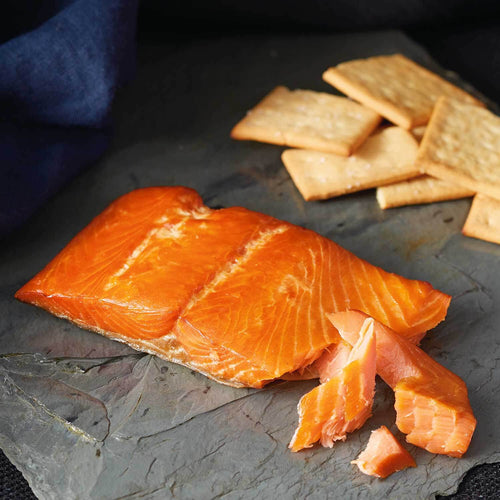
After a morning of hiking, nothing tasted better than a picnic featuring the flavors of the Pacific Northwest. I savored smoked salmon pate on artisanal crackers, topped with a dollop of sweet huckleberry jam. Fresh Rainier cherries, bursting with juice, and sparkling cider from Tieton Cider Works completed the meal. The physical exertion of the hike amplified the flavors, making each bite a moment of pure bliss.
Campfire Cuisine: A Taste of the Wild
As evening approached, it was time to prepare a campfire dinner. Respecting local regulations and ensuring sustainability are paramount. Because fishing wasn't permitted in the immediate area during my trip, I ethically sourced my fish from a local market that buys directly from Native American fisheries.
I carefully packed the salmon in cedar planks, infused with sprigs of rosemary and slices of lemon. The aroma as it cooked over the sustainable fire was intoxicating. There’s something truly special about preparing and eating a meal outdoors, connected to the elements and the rhythms of nature.
Under a Blanket of Stars: The Perseids
The night sky in Olympic National Park is a spectacle in itself. I was fortunate enough to be there during the Perseids meteor shower, and the experience was awe-inspiring. Away from city lights, the stars blazed with an intensity I had rarely witnessed. Constellations like Cassiopeia and Ursa Major were clearly visible, their patterns etched against the velvety blackness.
A Vistalocation.com employee demonstrates Leave No Trace principles by collecting litter on Rialto Beach.
Looking up at Ursa Major, I remembered some Indigenous stories I'd read about the constellation – some tribes saw it as a bear being chased by hunters. The stories highlight the importance of respecting nature and maintaining balance within the ecosystem. It was a humbling reminder of the deep connection between humanity and the cosmos.
A Call to Responsible Exploration
My journey through Olympic National Park was a powerful reminder of the beauty and fragility of our planet. It's crucial that we all do our part to protect this incredible ecosystem for future generations. This means adhering to Leave No Trace principles: packing out all trash, staying on designated trails, respecting wildlife, and minimizing our impact on the environment. It also means supporting sustainable tourism practices, choosing eco-friendly accommodations, and patronizing local businesses that prioritize conservation.
Vistalocation.com encourages you to book your next eco-conscious trip to Olympic National Park!