Okavango's Edge: A Photographer's Fight to Captu...
For the past decade, I've split my time between piloting small aircraft over the Okavango and documenting its raw beauty through my lens. But what I witnessed this past June shook me to my core. The Okavango Delta, a jewel of Botswana and a UNESCO World Heritage site, is facing unprecedented challenges due to rising temperatures and changing weather patterns. What was once a predictable cycle of flood and dry seasons is becoming increasingly erratic, threatening the delicate balance of this unique ecosystem. Join me as I recount a recent 5-day journey through the Delta with a small group of clients, a trip that became a stark reminder of the urgent need for conservation.
Day 1: Arrival at Vumbura Plains - A Bird's Eye View
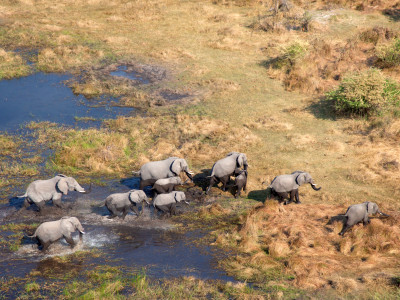
The Okavango Delta is always breathtaking, but seeing it from the air in my Cessna 206 is an experience that never gets old. As we approached Vumbura Plains, the dramatic contrast was striking. Parched, cracked earth stretched as far as the eye could see, a testament to the relentless dry season. Yet, amidst this aridity, the emerald green floodplains of the Delta burst forth, a vibrant oasis teeming with life.
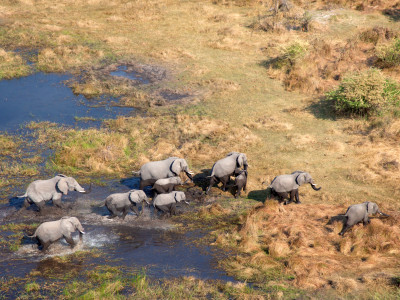
The contrast between the parched landscape and lush delta highlights the Okavango's dependence on the annual floods, a lifeline for countless species. This balance is under threat, according to the Okavango Research Institute, who's studies show that decreased rainfall and increased evaporation rates are shrinking the floodplains and increasing the severity of droughts.
Landing at Vumbura Plains airstrip, we were greeted with the warm hospitality that Botswana is known for. Settling into our luxurious accommodations, it was reassuring to see the lodge's commitment to sustainability. Vumbura Plains uses solar power and implements rigorous water recycling programs, minimizing its environmental footprint. That evening, we enjoyed a welcome dinner of grilled Kalahari truffle-infused steak under the stars, a reminder of the incredible bounty this land offers when treated with respect.
Day 2: African Wild Dog Tracking near Mombo Camp - A Race Against the Heat
An early start is essential for wildlife photography, especially when tracking African Wild Dogs ( Lycaon pictus), one of Africa's most endangered predators. We set out on foot with experienced local trackers near Mombo Camp, hoping to catch a glimpse of these elusive creatures. The midday sun beat down relentlessly, making the tracking challenging. The trackers shared their concerns about the increasing heat and its impact on the dogs' hunting success.
Mombo Camp, like many in the Okavango, is completely powered by solar energy, a testament to the region's commitment to sustainable tourism.
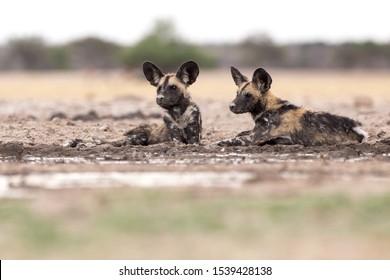
The challenges of photographing these dogs in the harsh light were significant. The heat haze distorted the images, and the dogs themselves were visibly stressed, panting heavily as they searched for prey. Research by Dr. Tico McNutt of the Botswana Predator Conservation Trust [http://www.bpctrust.org/] highlights that rising temperatures are forcing these wild dogs to travel greater distances in search of food. Increased temperatures negatively impact the entire food chain in the delta, which could lead to ecological disaster. The stress of the heat may also cause pregnant females to miscarry or abandon their litters. This increase in temperature is just one result of the impacts of climate change in the Okavango Delta.
Day 3: Elephant Observations at Duba Plains - A Family Affair
Duba Plains is renowned for its large elephant populations, and we were fortunate to spend an afternoon observing a breeding herd swimming across a lagoon. The playful interactions between mothers and calves were heartwarming, a reminder of the importance of protecting these magnificent creatures. Witnessing these animals in their natural habitat is a truly special experience.
But even here, the signs of stress were evident. The water levels in the lagoon were noticeably lower than in previous years, forcing the elephants to travel further to find suitable drinking water. This increases their risk of conflict with local communities and exposes them to other dangers.
That evening, we enjoyed a traditional 'braai' (barbecue) near Duba Plains, featuring boerewors sausage and biltong, prepared by the camp staff. The food was delicious, but the conversation was somber, focusing on the challenges facing the Delta. We discussed Duba Plains' unique rainwater harvesting system, designed to minimize its impact on the local water supply, a crucial step in sustainable tourism Okavango Delta.
Day 4: Mokoro Exploration and Fish Eagle Photography near Zarafa Camp - Silent Waters
Navigating the network of narrow waterways and islands by mokoro (traditional dugout canoe) is an essential Okavango experience. The silence is broken only by the gentle splash of the poler's paddle and the calls of the birds. We spent the morning photographing African Fish Eagles in flight, capturing their distinctive calls and hunting techniques. The challenge was anticipating their movements and capturing that perfect shot as they swooped down to snatch fish from the water.
Zarafa Camp is a testament to sustainable luxury. The camp is 100% offset with solar power by their sister NGO called Great Plains Foundation [https://greatplainsfoundation.com/], ensuring a minimal environmental impact.
The bream (a local fish) served at Zarafa Camp was delicious, pan-seared with lemon butter sauce and wild rice. A perfect dinner to compliment an afternoon in the pristine Delta.
Day 5: Night Sky Photography and Departure - A Fragile Beauty
Our final night was dedicated to capturing the magic of the African night sky. The remote location, far from any light pollution, offered unparalleled views of the Milky Way, reflected in the Delta's waters. Shooting astrophotography in such a remote location presented its own challenges, requiring specialized equipment and techniques. Capturing the Southern Cross constellation above the watery landscape was a highlight.
However, even here, the impact of rising temperatures was evident. More frequent wildfires, fueled by dry conditions, are leading to increased air pollution, affecting the clarity of the night sky.
Departing the next morning, I felt a bittersweet mix of gratitude and concern. The Okavango Delta is an extraordinary place, but its fragility is becoming increasingly apparent. The Botswana Department of Wildlife and National Parks consistently states that, without careful management and conservation efforts, this natural wonder could be lost forever. Okavango Delta climate change impact is real.
Visit Responsibly
The Okavango Delta is more than just a travel destination; it's a fragile ecosystem on the brink. As responsible travelers, we have a duty to protect it. I urge you to visit the Delta, to witness its beauty firsthand, but to do so in a way that minimizes your impact.
Great Plains Conservation [https://greatplainsconservation.com/] and Wilderness Safaris [https://www.wilderness-safaris.com/] are reputable tour operators specializing in sustainable tourism in the region. A similar 5-day trip can cost between $15,000 and $25,000 per person, depending on the level of luxury and exclusivity. It is important to consider the fact that a portion of the proceeds from these tours goes towards conservation efforts in the region. The time to help protect the Okavango Delta is now!