Okavango Delta Wildlife Photography: A Journey T...
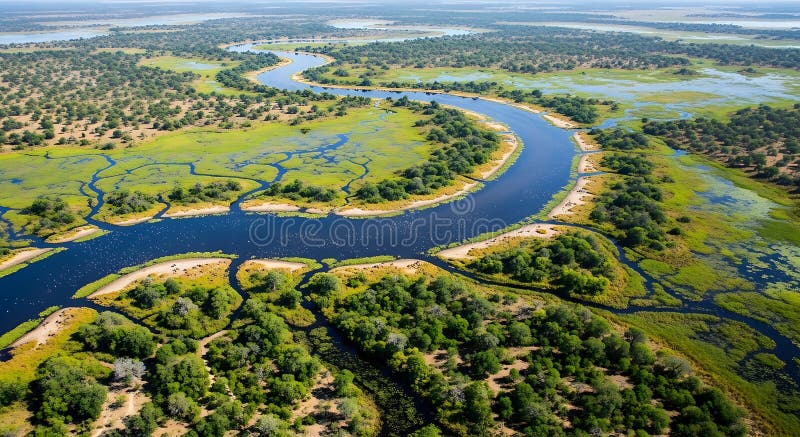
The Okavango Delta, a jewel in Botswana's crown, is unlike any other place on Earth. This vast inland river system, a UNESCO World Heritage Site, explodes with life as seasonal floodwaters transform the arid landscape into a maze of lily-covered lagoons and dramatic mopane woodlands. As a wildlife photographer, I, Anya Sharma, recently had the privilege of immersing myself in this extraordinary ecosystem, and I'm excited to share my experiences, challenges, and breathtaking moments captured in the Okavango Delta. From gliding through the waterways in a mokoro to soaring above in a bush plane, the opportunities for Okavango Delta wildlife photography are endless. The changing light, particularly the golden hour reflections, casts a magical spell, creating dramatic backdrops for unforgettable images. This trip was not just about photography; it was also about contributing to sustainable tourism and supporting conservation efforts through initiatives like Okavango Conservation Through Photography.
The Delta's Ever-Changing Canvas: Light and Landscape
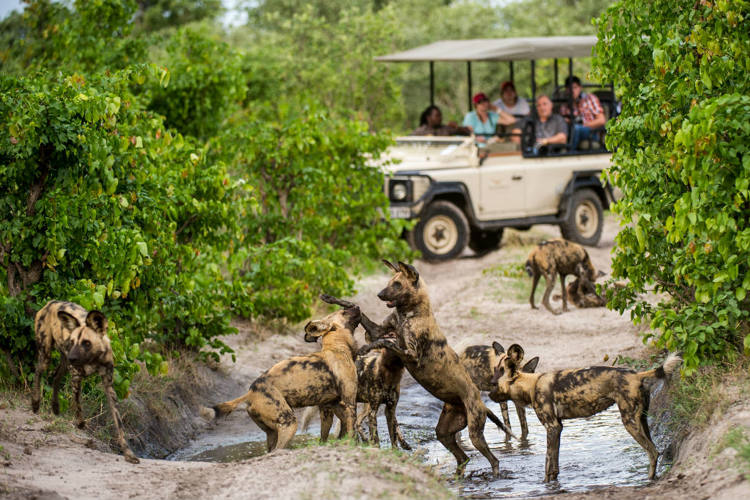
The Okavango is a dynamic landscape, and the best time to visit the Okavango Delta for wildlife photography is during the dry season (May to October) when the floodwaters are at their peak, drawing animals from far and wide. The light here is simply phenomenal. The golden hour is truly magical. The flooded plains create these perfect, mirror-like surfaces that reflect the vibrant colors of the setting sun, adding an ethereal quality to every shot. But even midday, the light filtering through the mopane woodlands creates striking contrasts and depth, making it a playground for any photographer seeking dramatic images. From an aerial perspective, you can really grasp the vastness of the landscape. A sunset Okavango Delta bush plane photography flight provides breathtaking views.
The Thrill of the Hunt: Photographing African Wild Dogs
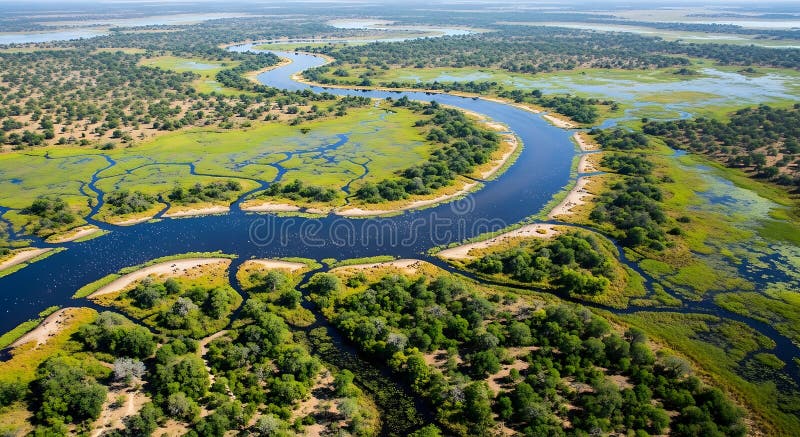
One of the most exhilarating experiences of my trip was witnessing a pack of African wild dogs hunting impala. These incredible predators are masters of their environment, and their speed and agility are truly breathtaking. Capturing them in action was a challenge, to say the least. I relied heavily on my Canon EOS R5 and RF 100-500mm lens, constantly adjusting my settings to keep up with their lightning-fast movements. The key is to anticipate their movements and be ready to fire off a burst of shots at a moment's notice. The rapid autofocus and image stabilization of my equipment were essential for getting sharp, in-focus images of these elusive creatures in their natural habitat. I was incredibly lucky to capture the shot below, a truly unforgettable moment.
How to photograph African Wild Dogs in the Okavango Delta?
Patience is key. Wild dogs are rare and their hunts are unpredictable.
- Use a fast shutter speed (at least 1/1000th of a second) to freeze their motion.
- Employ continuous autofocus mode to track their movements.
- Consider using a teleconverter to extend your lens' reach.
Mokoro Magic: Drifting Through Paradise
A mokoro safari Okavango Delta is a must. Drifting silently through the waterways in a mokoro, a traditional dugout canoe, is an experience unlike any other. It offers a unique perspective, allowing you to get close to the abundant birdlife without disturbing their natural behavior. The Mokoro allows you to silently observe the Okavango Delta ecosystem. I was particularly thrilled to spot the elusive Pel's Fishing Owl, perched majestically on a branch. The calm waters also hosted flocks of African Skimmer, skimming the surface for food.
Pel's Fishing Owl photography tips
- Be patient, as these birds are nocturnal and elusive.
- Use a lens with good low-light capabilities.
- Seek guidance from local guides who know their habitat well.
Walking Safaris and Night Drives: An Intimate Encounter with Wildlife
Beyond the mokoro, I also participated in guided walking safaris, which offered a completely different perspective. The thrill of tracking animals on foot, guided by the expertise of local guides, is an unparalleled experience. The guides shared their immense knowledge of the ecosystem, pointing out subtle signs and tracks that would have otherwise gone unnoticed.
The what animals can I photograph on a night drive in the Okavango Delta question has an extensive list. Night drives revealed a different side of the Delta. Under the cloak of darkness, nocturnal animals emerged, including elusive leopards and civets. Using a spotlight (responsibly and ethically, of course), we were able to observe these creatures in their element. Night drives require specialized equipment and a skilled driver, but the rewards are well worth the effort.
Ethical wildlife photography Botswana
- Always maintain a safe distance from animals.
- Never disturb or harass wildlife.
- Avoid using flash photography at night unless absolutely necessary.
- Respect the local culture and guidelines.
A Taste of Botswana: Setswana Cuisine
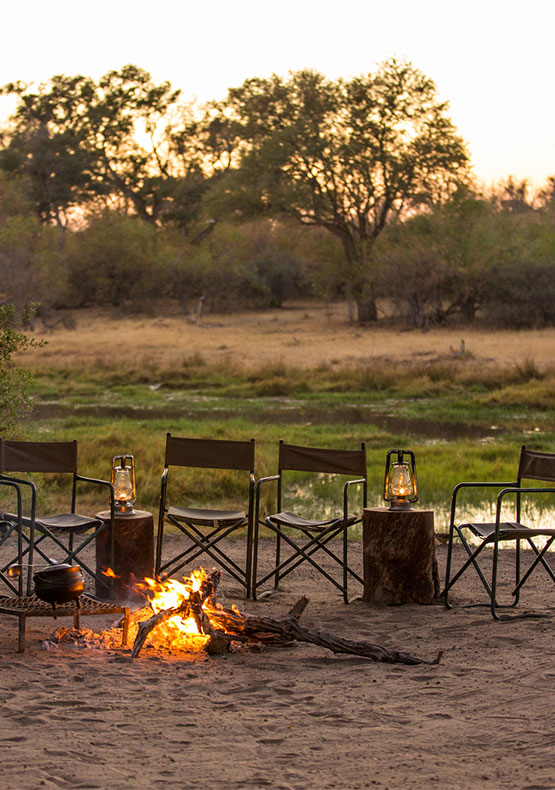
Immersing myself in the local culture was an integral part of my experience. I had the pleasure of enjoying a traditional Setswana cuisine travel photography dinner, featuring Seswaa beef, morogo (wild spinach), and pap (maize porridge), cooked over an open fire at the safari camp. The flavors were rich and authentic, reflecting the bounty of the land. The bush breakfasts were equally delightful, enjoyed amidst the breathtaking scenery of the Delta.

Support Conservation Through Photography: Join Us!
My journey through the Okavango Delta was an unforgettable experience. The beauty of the landscape, the abundance of wildlife, and the warmth of the local people left an indelible mark on my soul. But beyond the stunning photographs, the trip also reinforced the importance of conservation and sustainable tourism in protecting this precious ecosystem. I wholeheartedly encourage aspiring wildlife photographers to consider joining one of the photographic workshops offered by "Okavango Conservation Through Photography." The proceeds from these workshops directly benefit local communities and conservation efforts in the Okavango Delta. By participating, you'll not only improve your skills but also contribute to the long-term protection of this unique and invaluable ecosystem. You'll have the chance to photograph stunning lily-covered lagoons, witness the power of nature, and learn the importance of protecting this beautiful area.

Where can I find photography workshops in the Okavango Delta?
Okavango Conservation Through Photography offers incredible workshops that directly benefit conservation efforts. Learn more and book your spot here.