Okavango Delta Wildlife Photography: A Barcelona...
The Okavango Delta. Just uttering those words sends shivers of excitement down my spine. As a wildlife photographer from Barcelona, I, Javier Rodriguez, have dedicated my life to capturing the beauty and vulnerability of our planet’s endangered species. My recent trip to Botswana’s Okavango Delta during the dry season (July/August) was nothing short of a revelation, a challenging but ultimately rewarding experience that solidified my commitment to conservation. This blog post is my attempt to share not just stunning images from this magnificent location but also practical tips for aspiring photographers interested in Okavango Delta Wildlife Photography and to shed light on the urgent need to protect its fragile ecosystem and its inhabitants, including the endangered species of Botswana. Join me as I recount my journey through this unique and breathtaking landscape, and hopefully, inspire you to contribute to its preservation.
A Delta of Contrasts: Landscape and Wildlife During the Dry Season
The Okavango Delta is a paradox. A vast inland river system in the heart of the Kalahari Desert, it teems with life even during the harshest months of the dry season. This annual period of scarcity forces wildlife to congregate around the shrinking waterholes, creating unparalleled opportunities for observation and photography. From above, during a scenic flight, the delta's intricate network of channels revealed itself like a sprawling, verdant vein against the ochre canvas of the surrounding plains. It’s an aerial spectacle that truly illustrates why the Okavango Delta is a UNESCO World Heritage site. The Botswana Safari Dry Season presents a stark contrast: arid landscapes punctuated by lush papyrus swamps, a haven for countless creatures.
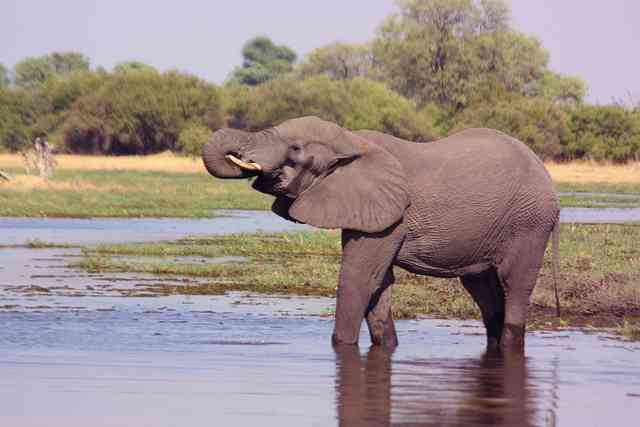
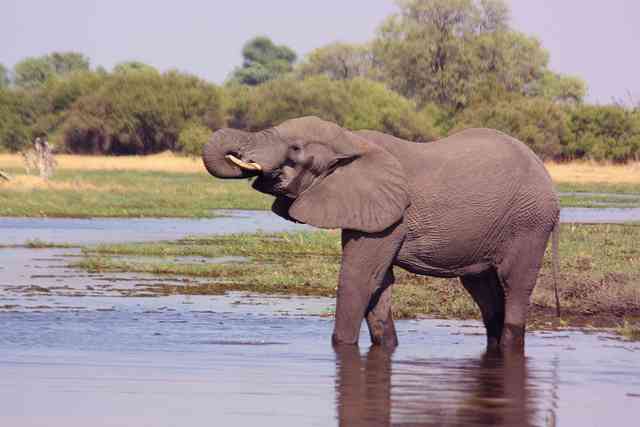
The movement of large herds of elephants and buffalo was a constant spectacle. Dust devils swirled in their wake as they lumbered towards the life-giving water. The air vibrated with the deep rumble of their calls, a primal symphony that underscored the raw power of nature. It was a breathtaking display to behold.
Near Miss: A Guided Bush Walk Gone Wrong
One experience stands out above all others: a guided bush walk that took an unexpected turn. Venturing out on foot offers a unique perspective, allowing you to appreciate the smaller details often missed from a vehicle. However, it also comes with inherent risks. Our guide, a seasoned tracker from the local community, skillfully led us through the bush, pointing out animal tracks and explaining the delicate balance of the ecosystem. Suddenly, the air crackled with tension. The unmistakable sound of branches breaking nearby alerted us to the presence of a large animal. It was an elephant, a rogue male, and he was heading straight for us.
Our guide acted swiftly, instructing us to remain calm and slowly back away. The elephant, thankfully, veered off at the last moment, trumpeting his displeasure. It was a heart-stopping moment, a stark reminder of the unpredictable nature of wildlife encounters. While unnerving, it was also an unforgettable experience that underlined the respect one must have for these magnificent creatures and the importance of experienced guides.
Immersing Myself in Culture: A Setswana Fire-Making Ceremony
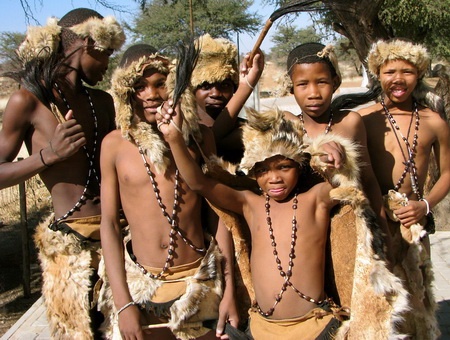
My journey wasn't just about wildlife; it was also about connecting with the people who call this land home. I was fortunate enough to attend a traditional Setswana fire-making ceremony held by the local Bayei people. It was a truly humbling experience. With incredible skill and patience, using only friction and dry wood, the elders conjured a flame, a symbol of life and community. The rhythmic chanting and dancing that followed were mesmerizing, a testament to the enduring power of tradition. Experiencing the fire-making tradition provided a deep appreciation for the local culture. It’s an absolute must for those seeking Setswana Culture Okavango Delta.
Drifting Through Paradise: A Mokoro Safari
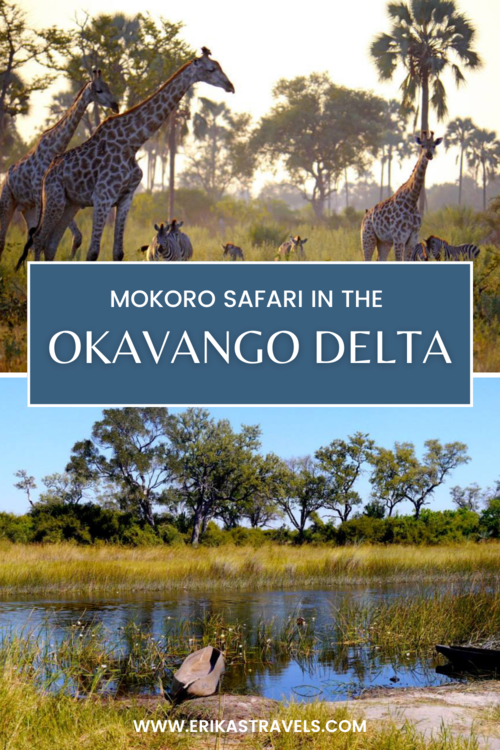
The Okavango Delta is best experienced from the water, and there’s no more authentic way to do that than in a mokoro, a traditional dugout canoe. Gliding silently through the narrow channels, propelled by a skilled poler, offered unparalleled opportunities to observe the delta's rich birdlife. The Mokoro Safari Photography Okavango is like no other.
I was particularly thrilled to photograph the African fish eagle, its piercing cry echoing across the water as it swooped down to snatch a fish. I also managed to capture a few elusive images of Pel’s fishing owl, a nocturnal hunter rarely seen during the day. These are just two examples of the incredible avian diversity that makes the Okavango Delta a birdwatcher's paradise. If Okavango Delta Bird Photography is your passion, prepare to be amazed.
Protecting the Delta: Volunteering with an Anti-Poaching Unit
The beauty of the Okavango Delta is under constant threat from poaching. Driven by the demand for ivory and other wildlife products, poachers decimate elephant and rhino populations. I spent a day volunteering with a local anti-poaching unit, witnessing firsthand the dedication and courage of these conservation heroes. Patrolling the delta, tracking poachers, and removing snares is a dangerous and demanding job, but they do it with unwavering commitment. It was a humbling experience that strengthened my resolve to support their efforts. Anti-Poaching Volunteering Botswana is an impactful way to contribute to conservation.
A Taste of Botswana: Sampling Local Cuisine
No trip is complete without sampling the local cuisine. I had the opportunity to try several traditional Botswana dishes, each offering a unique culinary experience. Seswaa, pounded meat similar in texture to Spanish pulled pork, was a particular favorite. The morama beans, with their chestnut-like flavor, were another highlight. Mageu, a fermented porridge drink, was an acquired taste, but refreshing in the African heat. Experiencing the Local Botswana Food Okavango Delta added another dimension to my journey.
Technical Insights: Wildlife Photography in the Okavango Delta
Photographing wildlife in the Okavango Delta presents unique technical challenges. The low light conditions, especially during dawn and dusk, require careful attention to camera settings. I often found myself using a wide aperture (f/2.8 or f/4) to maximize light intake, a fast shutter speed (1/500th of a second or faster) to freeze motion, and a high ISO (3200 or higher) to compensate for the lack of light. A good image stabilizer is essential.
For lenses, a 400mm or 600mm telephoto lens is ideal for capturing animals at a distance. Given the often unpredictable lighting conditions, knowing your camera's capabilities inside and out is a must. Understanding the "exposure triangle" (aperture, shutter speed, ISO) is crucial for achieving well-exposed images in challenging conditions. The best camera settings for wildlife photography Botswana will depend on the situation, but these are good starting points.
Tips for Photographing Birds on a Mokoro safari:
- Bring a lightweight zoom lens.
- Increase your ISO before you begin.
- Adjust aperture depending on the light available to you.
- Use a monopod to stabilize your camera on the Mokoro.
Common Challenges of African Wildlife Photography
- Dusty conditions and equipment damage.
- Unpredictable lighting conditions.
- Long distances.
- Getting close enough to subjects.
The Urgent Need for Conservation: A Call to Action
The Okavango Delta is a treasure, a place of unparalleled beauty and biodiversity. But it is also a fragile ecosystem under increasing threat. Climate change, poaching, and habitat loss are all putting immense pressure on its wildlife populations. It is our responsibility to protect this precious resource for future generations. The African Wildlife Photography Challenges underscore the importance of supporting conservation efforts.
I urge you to consider donating to either the Botswana Wildlife Producers Association https://bwpa.co.bw/ or the Okavango Delta Partnership https://www.okavangodeltapartnership.org/. Every contribution, no matter how small, can make a difference. Let's work together to ensure that the Okavango Delta remains a haven for wildlife for years to come. Discovering endangered species in Botswana is an experience like no other, and that is worth protecting.
Final Thoughts
My journey to the Okavango Delta was more than just a photography trip; it was a transformative experience. The awe-inspiring beauty of the landscape, the thrill of encountering incredible wildlife, and the warmth of the local people left an indelible mark on my soul. I returned to Barcelona with a renewed sense of purpose, determined to use my photography to raise awareness about the importance of conservation. The Javier Rodriguez Photographer Botswana experience was a testament to the power of photography to inspire change and the enduring beauty of our planet. I hope this blog post inspires you to embark on your own adventure and to contribute to the preservation of our planet's precious ecosystems. Let's safeguard the Okavango Delta together.