Okavango Delta Photography Safaris: A Critical L...
The Okavango Delta, a shimmering emerald jewel in the heart of Botswana, remains one of Africa's last great wildernesses. But even in this seemingly untouched paradise, a critical eye is necessary. As a wildlife photographer contributing to National Geographic for over two decades, I recently returned from the Delta during the dry season, seeking to capture its stark beauty and evaluate the balance between conservation and tourism. My experience involved everything from silently gliding through the waterways on a mokoro safari to photographing elusive birds from a hot air balloon, and critically assessing the experience with a discerning eye is paramount. This piece is a look through my lens, beyond the postcard images, offering a balanced perspective on luxury Botswana wildlife photography tours and the sustainable initiatives aiming to preserve this fragile ecosystem. What is the best time to visit the Okavango Delta for wildlife photography? I recommend the dry season (May to October) to witness the concentration of wildlife, but be prepared for the challenges of the harsh environment.
Mokoro Safari: Silent Passage Through the Delta's Veins
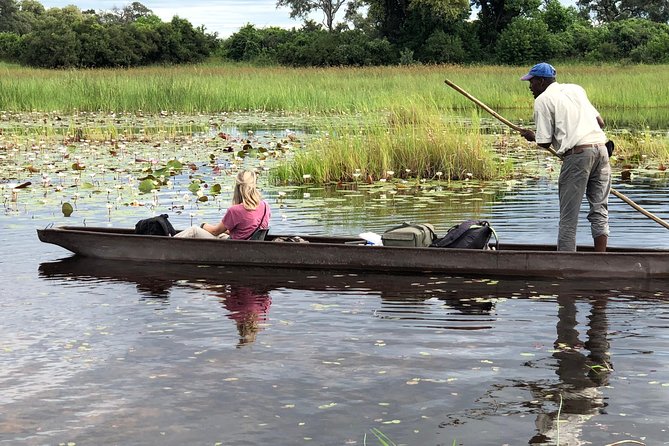
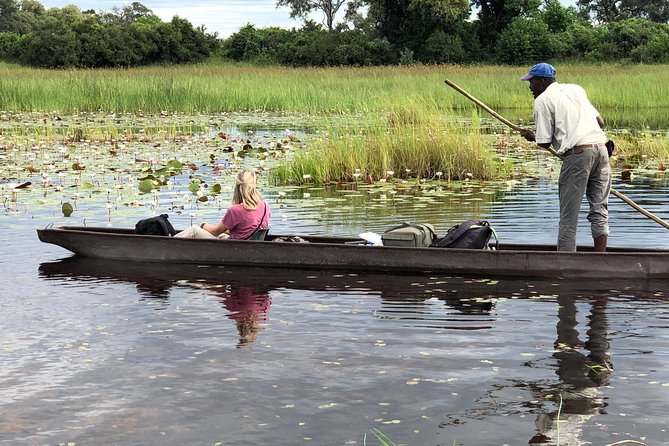
The mokoro, a traditional dugout canoe, offers an unparalleled way to experience the Okavango Delta. My guide, a Bayei local named Kealeboga, skillfully poled us through the narrow channels. The silence was profound, broken only by the gentle lapping of water against the hull and the drone of insects. This intimacy with the environment is the true magic of a mokoro safari. The papyrus reeds towered above us, their textures a study in green and gold. From this low vantage point, I observed tiny painted reed frogs clinging to the stems, their vibrant colors a stark contrast to the muted tones of the water.
While the mokoro offers a peaceful experience, its limitations must be acknowledged. Maneuverability can be challenging in strong currents or dense vegetation, and wildlife viewing is limited to what can be seen from the water level. However, for capturing the details of the delta's micro-ecosystems, it is an unmatched experience. How to book an Okavango Delta mokoro safari with photography guide? Enquire with reputable tour operators that partner with local communities, ensuring fair wages and sustainable practices.
Botswana Bird Photography Workshop: Chasing the Elusive Pel's Fishing Owl
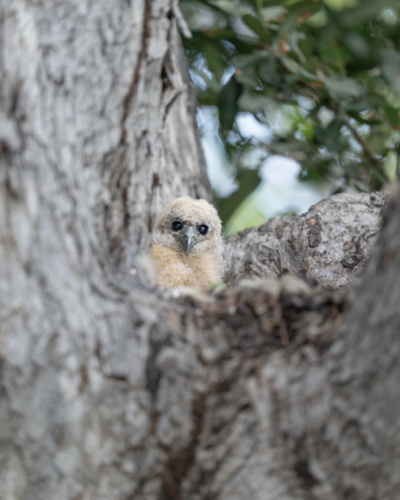
The Moremi Game Reserve is a haven for birdlife, and I participated in a privately guided photography workshop specifically targeting the Pel's Fishing Owl. This nocturnal predator is notoriously difficult to spot, let alone photograph. The workshop, led by a local ornithologist, provided invaluable insights into the owl's behavior and habitat.
Photographing in the low light conditions of dawn and dusk required specialized equipment. I relied heavily on my 600mm lens, a sturdy tripod, and image stabilization to compensate for the minimal light. The challenge was immense, but the reward of capturing a clear image of this magnificent bird was immeasurable. What is the best lens for Okavango Delta wildlife photography? For bird photography, a long telephoto lens (400mm or greater) is essential.
However, it's crucial to remember ethical considerations during such workshops. Disturbing nesting sites or using artificial light to attract birds is unacceptable. Respect for the wildlife must always come first.
Okavango Delta Hot Air Balloon Photography: A Sea of Green
A hot air balloon ride over the Okavango Delta at sunrise is an experience that etches itself into memory. As the balloon gently ascended, the landscape unfolded beneath us like a living map. The floodplains stretched to the horizon, a mosaic of green and gold, bisected by winding waterways. The concentration of wildlife around the remaining water sources was striking – herds of elephants, prides of lions, and countless birds congregated in a desperate struggle for survival.
Aerial photography presents unique challenges. The constant movement of the balloon, combined with the changing light, requires precise camera settings and quick reflexes. I used a wide-angle lens to capture the vastness of the landscape and a telephoto lens to zoom in on specific animal groupings. The sheer scale of the delta is overwhelming, making it difficult to convey the true sense of place in a single image. Yet, the perspective it offered was crucial in appreciating the sheer size of this unique ecosystem.
Xigera Safari Lodge: Luxury with a Conscience?
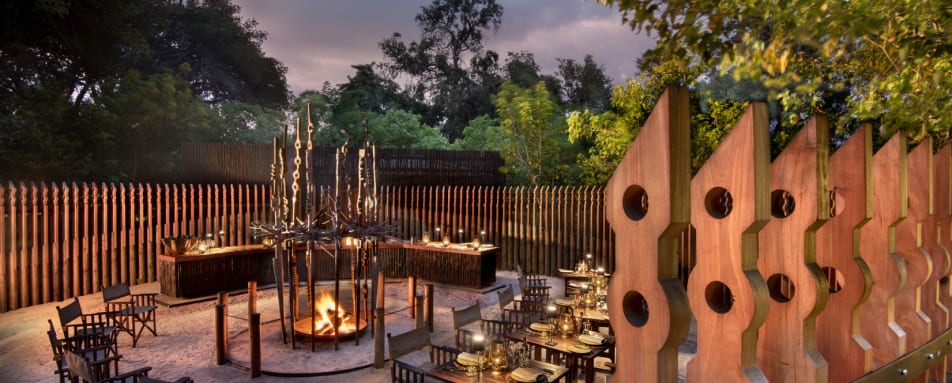
Xigera Safari Lodge promises a blend of luxury and environmentalism. The architectural design is undeniably impressive, incorporating natural materials and a sense of harmony with the surroundings. The private dining experience in the boma was atmospheric, enhanced by the crackling fire and the sounds of the African night.
The meal featured traditional Setswana cuisine, including Seswaa (pounded beef) and Morogo (wild spinach), paired with South African wines. The Seswaa was tender and flavorful, while the Morogo offered a welcome earthy counterpoint. However, the presentation, while elegant, felt somewhat detached from the raw, wild beauty of the delta. Xigera Safari Lodge private dining experience review: A solid, if slightly sanitized, take on local cuisine, with a focus on luxury over pure authenticity.
While Xigera touts its commitment to sustainability, a critical assessment is warranted. The lodge employs solar power and water recycling systems, which are commendable. However, the carbon footprint of flying in supplies and guests remains a concern. Furthermore, the very presence of a luxury lodge, no matter how eco-conscious, inevitably impacts the environment. Sustainable tourism practices at Xigera Safari Lodge: Promising steps, but the inherent conflict between luxury and sustainability remains.
The Okavango Delta During the Dry Season: A Landscape of Resilience
The dry season transforms the Okavango Delta into a landscape of stark beauty and harsh reality. The receding floodwaters create a dramatic concentration of wildlife around the remaining water sources. This creates unparalleled opportunities for wildlife photography, but it also highlights the vulnerability of the ecosystem.
The impact on the local vegetation is also evident. Trees become stressed, their leaves turning brown and brittle. The grasses wither, providing limited sustenance for grazing animals. This annual cycle of drought and flood is a defining characteristic of the Delta, shaping its ecosystem and challenging its inhabitants. Okavango Delta Dry Season Wildlife: The struggle for survival becomes vividly apparent, demanding respect and understanding from observers.
Sustainable Wildlife Tourism Botswana: Investing in the Future
Sustainable tourism is crucial for the long-term preservation of the Okavango Delta. One organization making a tangible difference is Wilderness Safaris' Children in the Wilderness program. This initiative teaches local children about wildlife conservation and provides them with educational opportunities. How does the Children in the Wilderness program help Botswana? By empowering future generations to become stewards of their natural heritage.
During my visit, I had the opportunity to interact with a group of children participating in the program. One young boy, maybe ten years old, named Mpho, showed me a drawing he had made of a leopard. His passion for wildlife was infectious, and his understanding of the importance of conservation was remarkable. He told me, "We must protect the animals so that our children can see them too." This sentiment encapsulates the core mission of sustainable tourism – to ensure that future generations can experience the wonder of the Okavango Delta. Ethical considerations for wildlife photography in Botswana: Supporting programs like Children in the Wilderness is a concrete way to contribute to conservation efforts.
My time in the Okavango Delta, documented through countless photographs, reinforced the delicate balance between beauty, brutality, and the need for responsible tourism. While the allure of luxury Botswana safaris is undeniable, it is imperative that we, as travelers and photographers, approach this wilderness with respect and a commitment to its long-term preservation. By supporting sustainable initiatives like Children in the Wilderness and choosing operators that prioritize environmental responsibility, we can help ensure that the Okavango Delta remains a sanctuary for wildlife and a source of wonder for generations to come. Book Okavango Delta Photography Safari. It's a call to action, to experience and conserve this magnificent corner of our planet.