Okavango Delta Mokoro Trip: A Wildlife Photograp...
The Okavango Delta. Even the name conjures images of untamed wilderness, shimmering waterways, and extraordinary wildlife encounters. As a 50-year-old wildlife photographer and avid birdwatcher with a passion for environmental conservation, I've dreamt of experiencing this unique ecosystem for years. Finally, this past dry season (June-August), I embarked on a multi-day Okavango Delta mokoro trip, a journey that exceeded all expectations. This Botswana adventure wasn't just about capturing stunning images; it was about witnessing the delicate balance of nature and understanding the importance of sustainable tourism Okavango Delta . I'm Mark Olsen, and this is my story of gliding into the heart of Africa's green jewel.
Drifting into Serenity: My Mokoro Safari Botswana Experience
The mokoro, a traditional dugout canoe, is the quintessential Okavango Delta experience. Leaving the rumble of the safari vehicle behind, I stepped into the narrow vessel, guided by local experts who have navigated these waterways for generations. Immediately, the world shifted. The silence was profound, broken only by the gentle splash of the poler's ngashi (pole) and the calls of unseen birds.
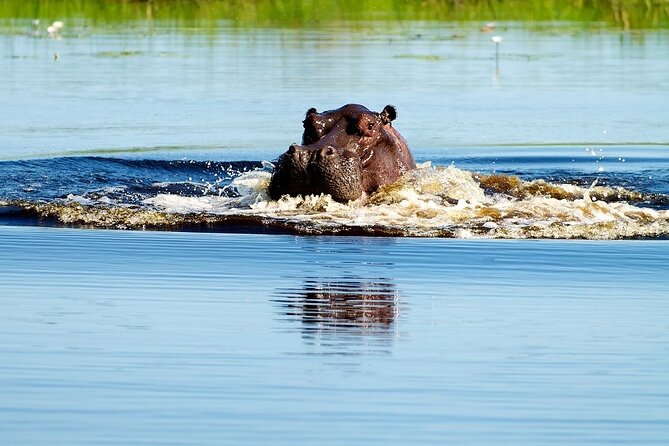
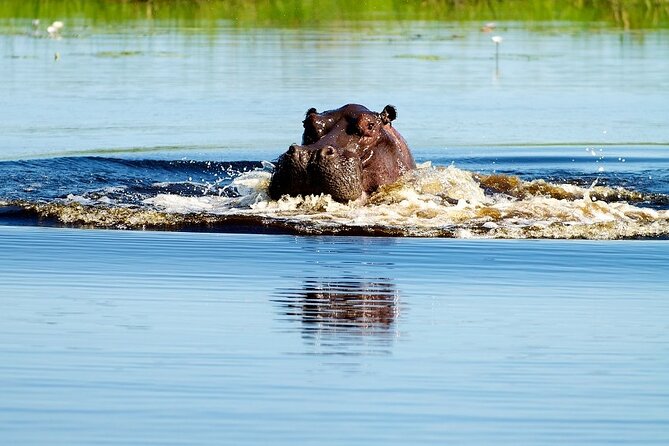
We glided effortlessly through narrow channels lined with towering papyrus reeds. The water was crystal clear, reflecting the azure African sky. Pods of hippos lazed in the sun, their massive bodies barely submerged, occasionally grunting and snorting as we passed. Herds of red lechwe, elegant antelopes perfectly adapted to the semi-aquatic environment, bounded gracefully across the floodplains, their reddish-brown coats a striking contrast against the green grass.
What wildlife can you see on an Okavango Delta mokoro trip? The wildlife sightings were non-stop. From tiny painted reed frogs clinging to the papyrus stems to monitor lizards basking on logs, the Delta teemed with life. I was even lucky enough to spot a shy sitatunga, another semi-aquatic antelope, disappearing into the reeds.
Birdwatching Paradise: A Birder's Dream Come True in the Okavango Delta
As an avid birdwatcher, the Okavango Delta birdwatching experience was unparalleled. The Delta is a haven for hundreds of bird species, each more stunning than the last.
- The majestic African Fish Eagle, with its distinctive black and white plumage, was a frequent sight, perched atop dead trees, surveying its domain with piercing eyes.
- At dusk, we searched for the elusive Pel's Fishing Owl, a magnificent bird of prey with a haunting call. Luckily, we spotted one swooping silently through the air, its large eyes scanning the water for its next meal.
- And then there was the Lilac-breasted Roller, a vibrant splash of color against the green landscape, showcasing its lilac throat, turquoise belly, and rufous back in spectacular flight.
These were just a few of the highlights. We also saw African Jacanas, with their elongated toes allowing them to walk on lily pads, Malachite Kingfishers darting through the air like iridescent jewels, and countless other feathered wonders. I would recommend bringing a decent pair of binoculars and a good bird book with you to make the most of the birdwatching in Southern Africa experience!
Tracking on Foot: Walking Safari on Chief's Island
A highlight of the trip was an early morning walking safari on Chief's Island, one of the largest islands within the Delta. Trading the mokoro for solid ground, we set out with experienced local guides, eager to track animals on foot.
The thrill of walking in the bush, relying on our senses to detect the presence of wildlife, was exhilarating. Our guides expertly identified animal tracks, dung, and other signs, teaching us about animal behavior and the intricate relationships within the ecosystem. We learned how to ethically navigate wildlife encounters, maintaining a respectful distance and avoiding any disturbance to their habitat.
Are mokoro tours in the Okavango Delta safe? Yes, but you must always respect the rules of your guide. Walking safaris are perfectly safe when conducted with experienced guides who understand animal behavior and can ensure your safety.
A Taste of Botswana: Bush Breakfasts and Eco-Lodge Cuisine
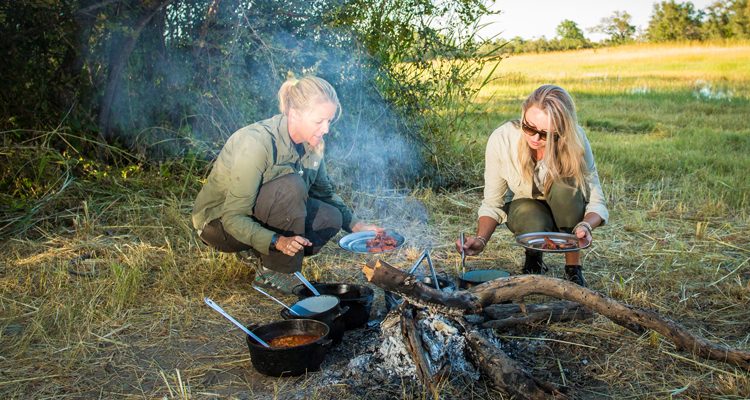
The culinary experiences were as memorable as the wildlife encounters. Each morning, our mokoro guides prepared a simple yet delicious bush breakfast – eggs, bacon, and toast cooked over an open fire, enjoyed under the vast African sky. The aroma of wood smoke mingled with the crisp morning air, creating a truly unforgettable sensory experience.
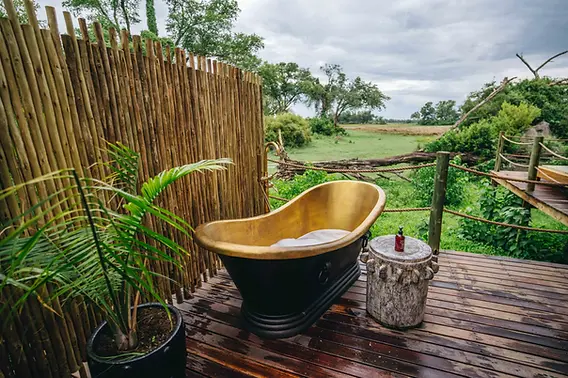
One evening, we indulged in a dinner at a luxury eco-lodge, savoring traditional Botswana cuisine. Traditional Botswana food Okavango Delta eco-lodges are a real treat. We sampled Seswaa, pounded beef slow-cooked until tender, and Morogo, wild spinach, showcasing the local flavors and ingredients. The lodge sources its ingredients locally, supporting local farmers and minimizing its environmental impact.
The Okavango's Ecosystem: A Delicate Balance
The Okavango Delta is a unique and fragile ecosystem, an inland river delta that floods seasonally, creating a haven for wildlife. The intricate network of waterways, the expansive papyrus swamps, the seasonal floodplains teeming with life, and the islands formed by towering termite mounds all contribute to its biodiversity.
The changing light at sunrise and sunset dramatically transforms the landscape, creating breathtaking photo opportunities. The golden hour bathes the Delta in a warm glow, enhancing the colors and textures, making it a photographer's dream. Best time to visit Okavango Delta for wildlife photography? The dry season offers optimal conditions with clear skies and concentrated wildlife around water sources.
Sustainable Practices: Protecting the Delta for Future Generations
It's crucial to choose sustainable tourism Okavango Delta options to minimize our impact on this delicate environment. The eco-lodge I stayed at exemplifies responsible tourism practices Okavango Delta Botswana, with its commitment to sustainability:
- The lodge utilizes solar power for electricity, reducing its carbon footprint.
- It implements comprehensive waste management programs, minimizing pollution.
- And, most importantly, it actively involves local communities in conservation efforts and tourism initiatives, ensuring that they benefit from tourism and have a vested interest in protecting the Delta.
For example, the lodge employs local guides and staff, purchases supplies from local businesses, and supports community development projects. By choosing eco-friendly accommodations, we can contribute to the long-term preservation of the Okavango Delta.
Where can I find sustainable eco-lodges in the Okavango Delta? VistaLocation.com features a number of eco-lodges committed to responsible tourism practices.
Ethical Considerations for Okavango Delta Photography Ethics:
As a photographer, it is vitally important to engage in ethical practices when photographing wildlife and the environment in the Okavango Delta. Remember, our impact on the environment is important to consider, here are some tips to follow to minimise your impact:
- Do Not Disturb Wildlife: Keep a safe distance, remain silent, and avoid any actions that may stress or scare animals. Use a long telephoto lens to capture close-up shots without getting too close.
- Respect the Environment: Stick to designated trails and pathways. Do not litter, damage vegetation, or disrupt the natural habitat.
- Support Local Communities: Hire local guides and purchase local products. Respect the culture and traditions of the people who live in the area.
- Be Mindful of Light: Avoid using flash photography, especially at night, as it can disorient animals. Instead, use natural light or a low-powered light source.
- Get Permission: Always seek permission before photographing people or private property.
Your Okavango Adventure Awaits: Choose Responsible Tourism
My Botswana wildlife photography tour through the Okavango Delta was a transformative experience. It was a reminder of the beauty and fragility of our planet and the importance of responsible tourism. How can I support conservation efforts in the Okavango Delta? You can support conservation efforts by choosing eco-lodges, participating in responsible tourism activities, and donating to local conservation organizations.
When planning your trip to the Okavango Delta, I urge you to choose eco-tourism operators and lodges that prioritize sustainable practices. By doing so, you can help preserve this incredible ecosystem for future generations. Ready to start planning your Okavango Delta mokoro trip? Contact VistaLocation.com today to find the perfect responsible travel option for your adventure.