Okavango Delta Green Season Photography: A Shang...
The Okavango Delta, a UNESCO World Heritage Site, had always been a dream destination for me. As a wildlife photographer specializing in avian species from bustling Shanghai, I yearned to witness its untamed beauty, particularly during the vibrant green season (November to April). My primary goal was to capture the elusive Wattled Crane in its natural habitat, a vulnerable species I'd long admired. But, like any responsible traveler, my excitement was tempered by a deep concern: could my visit, and tourism in general, inadvertently harm this fragile ecosystem and disrupt crucial nesting sites? Was Botswana sustainable tourism Okavango really possible? This trip was to be a test, not just of my photographic skills, but of my commitment to ethical travel.
My journey began in Maun, the gateway to the Okavango. After a bumpy but thrilling transfer via a small bush plane, I arrived at my destination: Camp Okavango, nestled on Nxaraga Island in the heart of the delta.
Camp Okavango: A Sanctuary of Sustainability
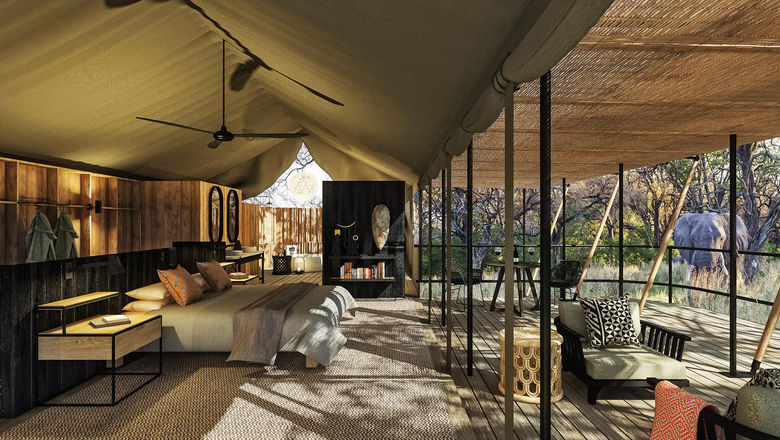
Camp Okavango immediately impressed me with its dedication to minimizing its environmental footprint. The entire camp is powered by a sophisticated solar power system, reducing reliance on fossil fuels. They also have implemented an innovative water recycling program, essential in this arid environment. Perhaps most impressively, they have effective waste management processes, including extensive composting, reducing landfill waste. Seeing these practices in action reassured me that my stay would contribute to conservation, not detract from it. I was eager to start my Okavango Delta Birdwatching Safari knowing I was staying at a place that cared.
What are sustainable practices at Camp Okavango?
Camp Okavango employs several sustainable practices, including solar power, water recycling, and extensive composting.
Mokoro Safari: Drifting Through Paradise
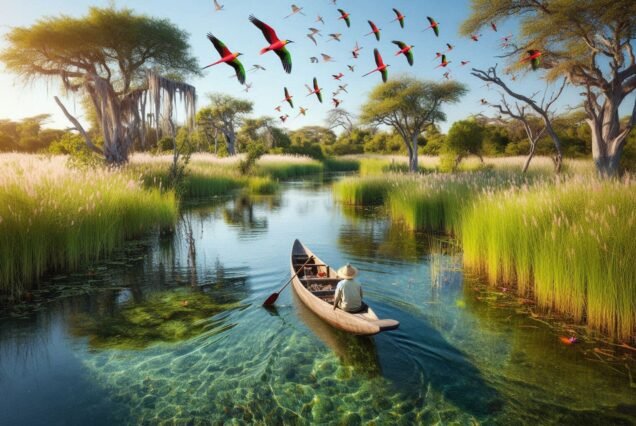
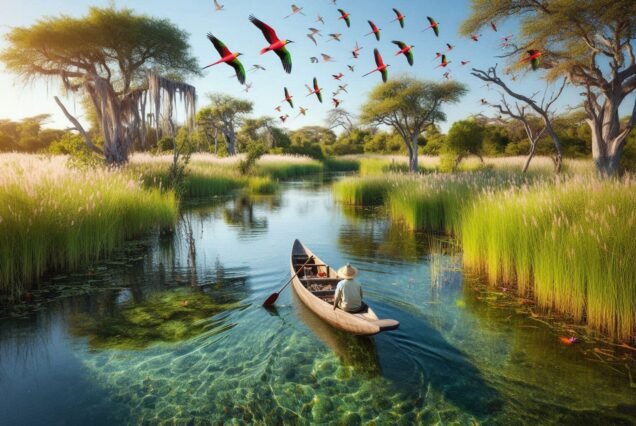
The next morning, I embarked on my first mokoro safari, a traditional dugout canoe experience that is quintessential Okavango. My poler, Thabo, was a local resident of Seronga Village, a community deeply intertwined with the delta's fate. His intimate knowledge of the waterways was astounding. As we glided silently through the reeds, Thabo pointed out the subtle signs of life – the splash of a Red Lechwe antelope, the croaking of frogs hidden amongst the lily pads, and the constant buzzing of dragonflies.
Photographing from a Mokoro: A Balancing Act
Photographing from a mokoro presented unique challenges. The constant, gentle movement of the canoe demanded a steady hand, and the low perspective offered a different vantage point than I was used to. But the reward was immense: an intimate connection with the wildlife, undisturbed in its natural environment. Thabo emphasized the importance of respecting the environment – of not disturbing the reeds, of keeping a safe distance from nesting birds.
Bird Species Encounters
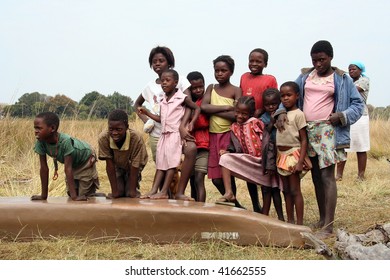
The Delta teemed with birdlife. I spotted the vibrant Malachite Kingfisher darting across the water, the elusive Pel's Fishing Owl camouflaged in the branches of a fig tree, and the majestic African Fish Eagle, its piercing call echoing through the air. Sadly, the Wattled Crane remained elusive during my mokoro trip, but I was still hopeful.
Bush Walk: Learning from the Land
A guided bush walk with Mpho, another local guide, provided a different perspective. Mpho taught me specific bird identification techniques, using calls and habitat recognition. His knowledge of local flora and fauna was encyclopedic, from the medicinal properties of the Devil's Claw plant to the intricate social structures of termite mounds. He reinforced the importance of keeping a safe distance from wildlife and leaving no trace behind. "We are visitors here," he reminded me. "We must respect their home."
What is the best time to visit the Okavango Delta for birdwatching?
The best time to visit the Okavango Delta for birdwatching is during the green season (November to April), when many migratory species arrive and resident birds are breeding.
Seronga Village: A Cultural Exchange
A visit to Seronga Village offered a valuable glimpse into the lives of the people who call the Okavango Delta home. I had the opportunity to participate in a traditional basket weaving workshop.
Seronga Village Basket Weaving
I learned the intricate process of weaving baskets using sustainably harvested Mokolwane palm leaves and natural dyes derived from roots and berries. I spent an afternoon with Neo, an elder in the village, who patiently guided me. She explained the cultural significance of the baskets, traditionally used for carrying grain, filtering water, and as decorative items. Neo told me with pride how these skills are passed down through generations, a vital link to their heritage. This was a great way to engage in Seronga Village Botswana cultural tourism.
Food and Community
That evening, I shared a community meal in Seronga Village, sampling traditional Setswana dishes. Seswaa, pounded beef cooked in an underground oven, had a rich, smoky flavor. The morama bean stew, a protein-rich staple, tasted earthy and satisfying. And the mageu, a non-alcoholic fermented drink made from sorghum, was surprisingly refreshing with its slightly sour tang.
I learned that Camp Okavango actively supports local businesses and farmers by purchasing fresh produce from the Seronga community. This ethical sourcing ensures that the benefits of tourism are shared, contributing to the village's economic well-being. The transparency in pricing and the long-term commitment to buying local demonstrated a genuine partnership.
Impact of tourism on Seronga Village
Tourism has a complex impact on Seronga Village. While it provides economic opportunities through employment and the sale of crafts and produce, it also has the potential to disrupt traditional ways of life and strain resources. Sustainable tourism initiatives aim to maximize the benefits while minimizing the negative impacts.
Reflections on Tourism's Impact
Beyond the incredible wildlife encounters and cultural experiences, I was constantly observing the overall impact of tourism on the Okavango Delta. Fortunately, I witnessed very little irresponsible behavior. I did, however, overhear some tourists complaining about the "lack of reliable WiFi," a stark reminder of the disconnect some visitors have with the natural world.
The Okavango Community Trust plays a crucial role in promoting sustainable tourism and protecting the environment. They work closely with local communities to ensure that tourism benefits them directly, while also implementing conservation programs and monitoring the impact of tourism on wildlife.
How can I support sustainable tourism in the Okavango Delta?
You can support sustainable tourism in the Okavango Delta by choosing eco-lodges like Camp Okavango, engaging with local communities through cultural experiences, respecting wildlife and their habitats, and educating yourself about the environmental challenges facing the region.
Addressing Initial Concerns
My initial concerns about over-tourism were not entirely allayed, but my experience in Botswana, particularly my interactions with Thabo, Mpho, and Neo, and the sustainable practices of Camp Okavango, profoundly shaped my perspective. I saw firsthand the challenges of balancing economic development with environmental preservation. The Okavango Delta is a delicate ecosystem, and it is our responsibility to minimize our impact and support initiatives that protect it.
Ethical considerations for visiting the Okavango Delta
Visiting the Okavango Delta requires careful consideration of its fragile ecosystem and the local communities that depend on it. Respecting wildlife, conserving resources, and supporting sustainable tourism initiatives are essential ethical considerations.
My trip highlighted both the challenges and the opportunities for responsible tourism in the Okavango Delta. The key is to choose responsible travel Okavango Delta initiatives that prioritize community benefits and conservation.
A Call to Action for Sustainable Travel
As travelers, we have a powerful voice. We can choose to support sustainable travel initiatives, respect local cultures, and minimize our environmental impact. When visiting fragile ecosystems like the Okavango Delta, I urge you to:
- Choose eco-lodges committed to sustainable practices.
- Engage with local communities and support their businesses.
- Educate yourself about the environmental challenges facing the region.
- Leave no trace behind.
The Okavango Delta is a treasure worth protecting. By traveling responsibly, we can ensure that future generations have the opportunity to experience its magic.