Okavango Delta: A Wildlife Photographer's Sustai...
The Cessna banked sharply, and suddenly there it was: the Okavango Delta, a sprawling emerald tapestry woven across the Botswana landscape. Stepping off at Xakanaxa airstrip, the dry season's influence was immediately apparent. Shrinking floodplains stretched towards the horizon, dotted with resilient Mopani trees, their leaves rustling in the dry breeze. The air carried an earthy scent, a mix of dust and sun-baked vegetation. But what truly excited me, Dr. Imani Silva, a wildlife photographer and conservationist, was the opportunity to witness firsthand the community-led Okavango Delta sustainable tourism initiatives that are helping to protect this unique ecosystem. I was ready to immerse myself in this incredible place and share my experiences with you.
Day 1: Arrival and Immersion into Sustainable Practices
After a warm welcome, I was transferred to Xakanaxa Camp, a shining example of a community-run eco-lodge. My initial impressions were overwhelmingly positive. The camp seamlessly blends into the natural surroundings, minimizing its impact on the environment. I quickly learned about their commitment to Botswana ecotourism, implemented through solar power, rainwater harvesting, and meticulous waste management systems.
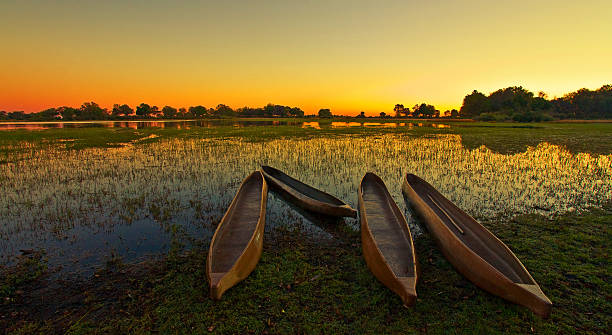
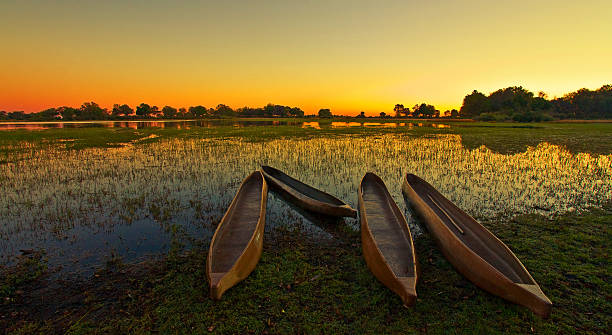
As the sun began to dip below the horizon, I embarked on my first game drive, focusing on the majestic elephants that frequent the Khwai River. The sight of these gentle giants silhouetted against the fiery sky was breathtaking. As darkness fell, the Delta came alive with a symphony of sounds: the chirping of crickets, the distant roar of a lion, and the gentle lapping of water against the riverbank. The smells were equally intoxicating – damp earth, fragrant grasses, and the smoky aroma of a campfire.
Day 2: Gliding Through the Delta by Mokoro
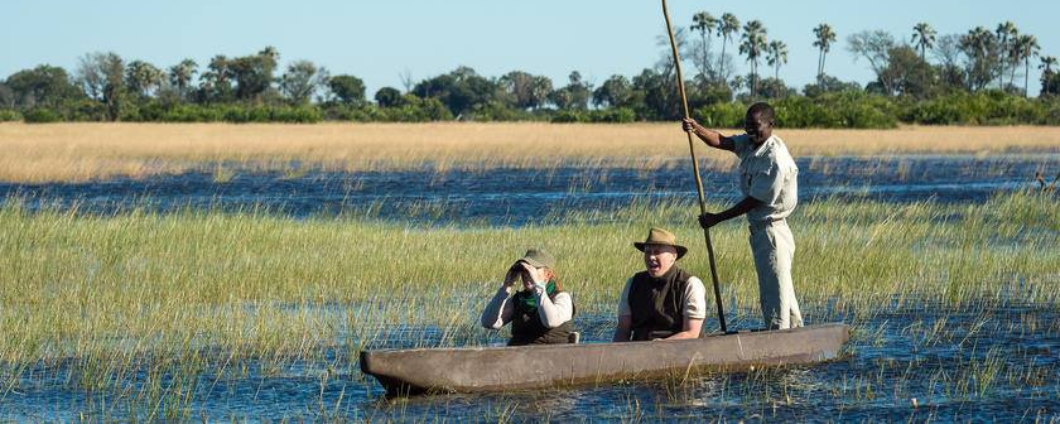
The next morning brought a truly unforgettable experience: a mokoro safari. A mokoro is a traditional dugout canoe, and my guide was Mr. Kebalepile, a knowledgeable member of the Xakanaxa community. Gliding silently through the waterways, propelled by Mr. Kebalepile's skillful poling, offered a unique perspective on the Delta's intricate ecosystem. The mokoro safari Okavango Delta is unparalleled.
The slow pace allowed me to appreciate the finer details – the vibrant colors of the African Jacana stepping delicately across lily pads, the piercing gaze of a Fish Eagle perched atop a dead tree. "The water levels are getting lower each year," Mr. Kebalepile shared, his voice tinged with concern. "It's impacting the wildlife and our way of life. We need Okavango Delta sustainable tourism to help us protect this place for future generations." This simple statement resonated deeply, highlighting the critical link between tourism and conservation.
Day 3: Tracking Wildlife on Foot
Day three was dedicated to a walking safari, a chance to connect with the landscape on a more intimate level. Mosa, another local guide with an encyclopedic knowledge of the bush, led me on a search for African wild dogs and Sable antelopes. The heat was intense, and the thirst was real, but the experience was worth every drop of sweat.
"In the dry season," Mosa explained, "tracking becomes more challenging. Animals concentrate near water sources, but the ground is harder, making it difficult to read their spoor." We eventually spotted a small pack of African wild dogs hunting near the Gomoti River and a majestic Sable antelope grazing gracefully in the open grasslands.
Day 4: Immersing in Local Culture and Craftsmanship
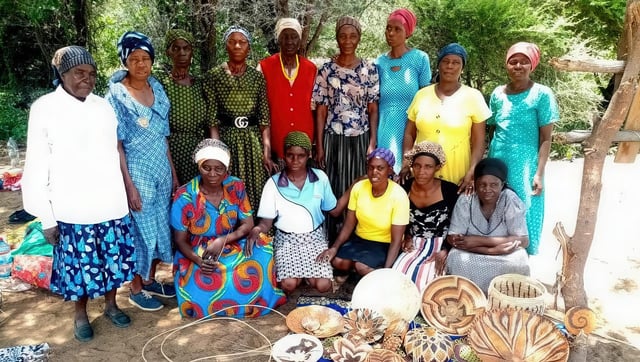
A visit to the community craft center in Xakanaxa village provided a fascinating glimpse into the local culture. I learned about traditional basket weaving, using local materials like palm leaves. The intricate designs and vibrant colors reflected the deep connection between the people and their environment. Talking with the artisans, I understood the importance of tourism in sustaining their livelihoods. This community based tourism Okavango Delta makes a difference.
Day 5: Capturing the Delta's Golden Hour
An early morning photography session was a must. The sunrise over the Delta was a spectacle of breathtaking beauty. I focused on capturing the iconic Sausage trees with their unique, sausage-shaped fruit and the elegance of a herd of Red Lechwe grazing peacefully in the floodplain.
Day 6: A Taste of Botswana
No trip to Botswana would be complete without sampling the local cuisine. At Xakanaxa Camp, I savored seswaa, a delicious pounded beef stew, rich and flavorful. In the village, I tried morogo, wild spinach with a slightly bitter taste, and mopane worms. I was initially hesitant about the mopane worms, but I was pleasantly surprised. They were surprisingly tasty and packed with protein – a valuable food source in this region. The locals shared the cultural significance of these foods, emphasizing their importance in traditional celebrations and everyday life.
Day 7: Farewell, Okavango
As I departed from Xakanaxa, I reflected on the profound impact of this ethical safari Okavango Delta. I'd witnessed the beauty of the Delta's landscape and wildlife, learned about the challenges facing the ecosystem, and experienced the power of community-based tourism. The trip reinforced the critical importance of empowering local communities to protect their natural resources.
The Importance of Ethical & Sustainable Tourism
Ethical safari Okavango Delta goes beyond simply visiting a place. It's about traveling responsibly, minimizing your environmental impact, and supporting local communities. Xakanaxa Camp's sustainable practices are a testament to this commitment. By choosing community-run eco-lodges, travelers can directly contribute to the well-being of local communities and the conservation of the environment.
Balancing Tourism with Conservation
The Okavango Delta faces numerous challenges, including climate change, water scarcity, and human-wildlife conflict. Balancing tourism with conservation is crucial. Okavango Delta community empowerment is key to success. By empowering local communities to manage their resources sustainably, we can ensure the long-term health of the Delta and the well-being of its people.
How You Can Help
You can support community based tourism Okavango Delta initiatives by:
- Staying at eco-lodges like Xakanaxa Camp: Xakanaxa Camp Rates (example link)
- Engaging with local communities respectfully.
- Minimizing your environmental impact.
- Donating to conservation organizations working to protect the Okavango Delta.
Final Reflections
The Okavango Delta is a treasure that must be preserved for future generations. I am committed to returning and continuing to support the Okavango Delta sustainable tourism initiatives that are making a real difference. Let's all do our part to protect this unique and precious ecosystem.
Ready to experience the Okavango Delta sustainably? Book your safari today!