Okavango Awakening: A Lens on Botswana's Sustain...
Kyoto’s quiet beauty has always been my muse, but recently, the call of the wild proved too strong to resist. As a semi-retired architect and avid wildlife photographer, I, Kenji Tanaka, traded the serene temples of Japan for the untamed splendor of Botswana’s Okavango Delta. My mission: to capture its essence through my Leica SL2-S camera, equipped with a 24-70mm f/2.8 and a 100-400mm f/5.6 lens, and to experience firsthand the sustainable tourism initiatives that are safeguarding this precious ecosystem. This August, during the dry season, I embarked on a two-week journey into the heart of the Delta, seeking the golden hour light and the diverse birdlife that defines this unique corner of Africa, immersing myself in the very best sustainable travel in Okavango Delta Botswana.
Mokoro Musings: Drifting with Kabelo
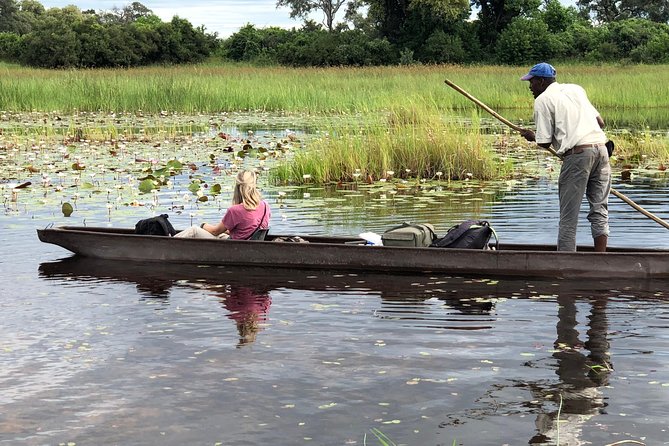
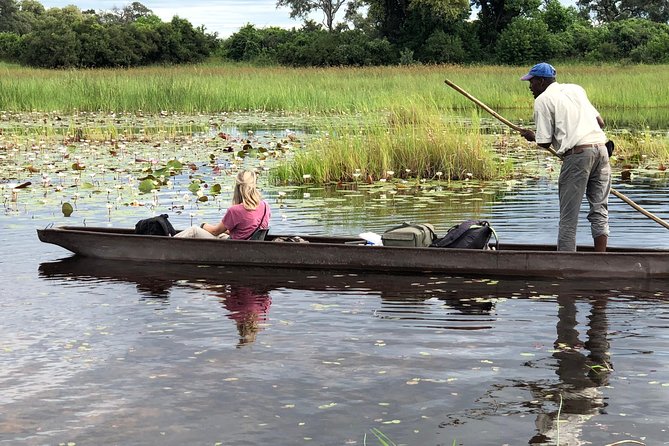
My Okavango adventure began with a mokoro safari, a traditional dugout canoe, guided by Kabelo, a knowledgeable local from the Okavango Community Trust. Gliding through the narrow waterways, I felt an immediate connection to the Delta's pulse. Papyrus reeds whispered secrets in the breeze, and water lilies painted the surface with delicate hues. Kabelo expertly navigated the channels, sharing his deep understanding of the ecosystem. "The Delta is our lifeblood," he explained, "We must protect it for future generations."
The birdlife was astounding. My primary target was the elusive malachite kingfisher, a jewel of the Delta. After what felt like an eternity of patient waiting, it finally perched on a reed, a vibrant splash of color against the green. I raised my camera, adjusted my settings (ISO 400, f/5.6, 1/500s), and clicked. The result? A slightly blurred image. The kingfisher, startled by the shutter, vanished in a flash of blue. But the thrill of the chase, the anticipation, was an experience in itself.
What is Sustainable Tourism in Botswana?
Sustainable tourism in Botswana focuses on minimizing environmental impact, supporting local communities, and preserving cultural heritage. It includes practices like employing local guides, using eco-friendly accommodations, and contributing to conservation efforts. Learn more about sustainable tourism initiatives.
Walking with Sarah: Bird Identification and Conservation
The next leg of my journey involved a walking safari, focusing on bird identification, led by Sarah, a specialist guide from Wilderness Safaris. Her encyclopedic knowledge of the Delta's avian residents was remarkable. She could identify birds by their calls alone. My Leica SL2-S felt like an extension of my arm as I tried to capture the winged wonders.
I managed to capture a striking shot of an African Fish Eagle, perched majestically on a dead tree, its powerful gaze fixed on the water below (ISO 800, f/4, 1/1000s). It was a moment of pure photographic joy.
But the Pel's Fishing Owl remained a frustratingly elusive subject. We spent hours searching, listening for its distinctive hoot. Sarah explained the owl's nocturnal habits and its preference for dense riverine forests. Despite my best efforts, it remained hidden.
Sarah also shared insights into the Delta's ecology and wildlife conservation efforts. "We work closely with local communities," she said, "to ensure that tourism benefits everyone and that the Delta's resources are managed sustainably."
Water Hyacinth Removal Project
One of the most rewarding experiences was assisting with the removal of Water Hyacinth near Jao Camp. This invasive plant threatens the Delta's waterways, choking out native vegetation and disrupting the ecosystem. It was strenuous work, but knowing that I was contributing to the Delta's health made it worthwhile. This Botswana Conservation Travel experience underscored my commitment to responsible tourism.
Gunotsoga Village: A Glimpse into Community Life
A visit to Gunotsoga village offered a valuable glimpse into the lives of the people who call the Okavango Delta home. I observed traditional crafts, particularly basket weaving using Mokolwane palm leaves. The intricate patterns and vibrant colors reflected the artistry and resourcefulness of the villagers.
I learned about their local farming practices, adapted to the Delta's unique environment. I spoke with villagers about the benefits of tourism, how it provides jobs and supports their livelihoods. The Community Tourism Botswana model is working. It's a testament to the power of responsible tourism to empower local communities.
Best Time to Visit Okavango Delta for Photography?
The dry season (May to October) is ideal for photography in the Okavango Delta. The vegetation is less dense, making wildlife easier to spot, and the water levels are lower, concentrating animals around water sources. The golden hour light is particularly stunning during this time.
Botswana Culinary Adventures: From Seswaa to Mopani Worms
The culinary journey in Botswana was an adventure in itself. I sampled Seswaa, pounded beef, slow-cooked to perfection. The rich, savory taste was unforgettable, a true reflection of Botswana's culinary heritage. I also tried Morogo, wild spinach, with its earthy flavor.
Then came the Mopani worms. I hesitated, but I knew I had to try them. Crunchy and surprisingly flavorful, they were a unique and culturally significant food. It was a reminder to embrace new experiences and to appreciate the diversity of cultures around the world. This contrasted sharply with the availability of Western-style options at Nxabega Okavango Tented Camp, where I stayed. It was good to see their commitment to sustainability, balancing luxury with environmental responsibility.
What to eat in Botswana?
- Seswaa: Pounded and slow-cooked beef, a national dish.
- Morogo: Wild spinach, often served as a side dish.
- Mopani Worms: A popular snack, rich in protein.
- Dikgobe: A hearty stew made with samp (dried corn kernels) and beans.
Discover more about Botswana's cuisine
Landscapes of Light and Shadow
The Okavango Delta's landscapes are a photographer's dream. The permanent swamps, with their papyrus reeds and water lilies, offered tranquil scenes of beauty. The seasonal floodplains teemed with life, especially red lechwe and elephants. The dry woodlands on the fringes of the delta revealed a different kind of beauty. Here I spotted a magnificent sable antelope. Even the 'islands' formed by termite mounds, with their unique vegetation, were fascinating subjects.
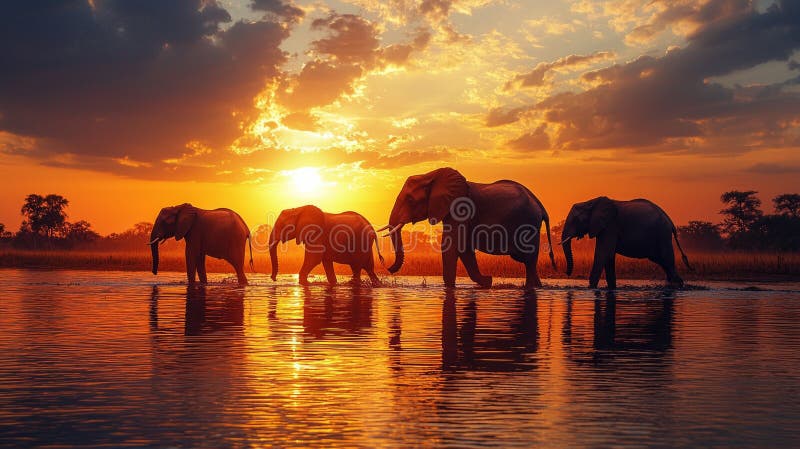
My early morning and late afternoon game drives were particularly rewarding. The light was magical. I spent time in a photographic hide overlooking a watering hole. One evening, as the sun began to set, a herd of elephants emerged from the bush, their massive silhouettes reflected in the water. I adjusted my settings (ISO 200, f/8, 1/125s) and captured the moment. It was a scene I will never forget.
I was hoping to photograph the endangered African Wild Dog. Despite my best efforts, they remained elusive.
Why is the Okavango Delta important?
The Okavango Delta is important because it is one of the largest inland deltas in the world, supporting a vast array of wildlife and providing a crucial water source for local communities. It is also a UNESCO World Heritage Site, recognized for its unique ecological significance.
A Sustainable Soul: Protecting the Delta
My journey to the Okavango Delta was more than just a photographic expedition. It was a profound experience that deepened my appreciation for the natural world and the importance of sustainable tourism. Witnessing the dedication of organizations like the Okavango Community Trust and Wilderness Safaris, their commitment to conservation and community empowerment, gave me hope for the future.
The Okavango Delta is a treasure worth protecting. Its beauty is undeniable, its ecosystem is fragile, and its people deserve our support.
Call to Action: I urge you to support the Okavango Community Trust and Wilderness Safaris' conservation efforts. You can donate to their programs or book responsible travel experiences that benefit local communities and protect the Delta's ecosystem. Every contribution, no matter how small, makes a difference.
- Donate to the Okavango Community Trust: https://www.okavangocommunitytrust.com/donate
- Book a responsible safari with Wilderness Safaris: https://www.wilderness-safaris.com/our-camps-safaris
Let us all be responsible travelers, seeking authentic experiences that leave a positive impact on the world. The Okavango Delta, with its sustainable soul, is waiting to awaken yours.
Video Concept: Okavango: In Kenji's Eyes
- Title: Okavango: In Kenji's Eyes
- Content:
- Time-lapse showcasing Kenji capturing the 'golden hour' light over the Okavango Delta.
- Scenes of Kabelo leading mokoro tours.
- Villagers in Gunotsoga creating crafts.
- Wilderness Safaris staff engaged in conservation activities (Water Hyacinth removal).
- Closing shot of Kenji shaking hands with a member of the Okavango Community Trust, symbolizing the partnership between tourism and conservation.
- Music: Traditional Botswana music with a modern, reflective feel.
- Voiceover (optional): Kenji reflecting on his experiences in the Okavango Delta.