Okavango Awakening: A Conservationist's Journey...
As a wildlife conservationist with 15 years immersed in the intricate ecosystems of Africa, I’ve learned that true understanding comes not just from research, but from experiencing the land firsthand. This journey led me to the Okavango Delta in Botswana, a place I had studied extensively from afar, but never truly grasped until I was gliding through its waterways in a mokoro, tracking wild dogs on foot, and working alongside the communities who call this unique place home. This blog post is an awakening, not just for me, but I hope for you too, to the importance of Okavango Delta sustainable tourism and the critical role it plays in preserving this invaluable ecosystem and fostering Botswana conservation travel.
Mokoro Safari: A Symphony of Water and Wildlife
My adventure began with a three-day mokoro safari, a traditional canoe excursion that offers an unparalleled perspective on the delta's intricate waterways. Leaving behind the rumble of vehicles, I stepped into a hand-carved mokoro, my heart filled with anticipation. Our poler, Ketumile, greeted me with a warm smile. His knowledge of the delta's ecology was profound, woven from generations of living in harmony with this landscape. As Ketumile skillfully guided the mokoro through the narrow channels, the silence was broken only by the gentle ripple of water against the reeds and the calls of unseen birds. This was a different kind of safari, intimate and profoundly tranquil.
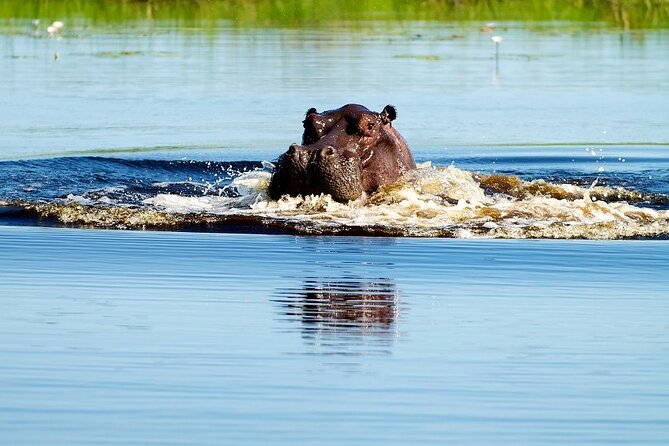
During our journey, we encountered a variety of wildlife that thrives in this unique environment. We spotted herds of red lechwe gracefully grazing on the floodplains, their reddish-brown coats blending seamlessly with the vegetation. African fish eagles, majestic birds of prey, perched on the branches of riverside trees, their keen eyes scanning the water for unsuspecting fish. Ketumile explained the delicate balance of the ecosystem, how the annual flood dictates the rhythm of life, and how important it is to protect it. He emphasized the importance of Okavango Delta ecotourism for generating revenue that directly supports conservation efforts.
The Wisdom of Ketumile
Ketumile shared stories passed down through generations, explaining how the local people traditionally used the delta's resources sustainably. He pointed out edible plants, medicinal herbs, and the telltale signs of animal activity. His deep connection to the land was evident in every word, reinforcing the importance of indigenous knowledge in conservation efforts.
Walking with Baeti: Tracking the Painted Wolves
The next leg of my journey involved a guided walking tour led by Baeti, a San bushman tracker whose keen senses and intimate understanding of the bush were truly remarkable. Baeti possesses an innate ability to read the landscape, deciphering animal tracks and identifying subtle changes in the environment that would go unnoticed by the untrained eye. Our objective was ambitious: to track African wild dogs, also known as painted wolves, one of Africa's most endangered predators. This is directly related to the Okavango Delta Wildlife Conservation efforts underway.
Following Baeti through the bush was an exercise in patience and observation. He taught me how to identify different animal tracks, distinguish between fresh and old spoor, and understand the subtle language of the bush. Tracking wild dogs on foot is a challenging endeavor, given their wide-ranging habits and their ability to cover vast distances. But Baeti's unwavering determination and expertise eventually paid off.
A Glimpse into the Lives of Wild Dogs
After hours of tracking, we finally spotted a pack of African wild dogs resting in the shade of an acacia tree. Watching these magnificent creatures in their natural habitat was an awe-inspiring experience. Baeti explained their unique hunting strategies, their complex social structure, and the threats they face from habitat loss and human-wildlife conflict. This sighting underscored the importance of conservation efforts aimed at protecting these endangered predators. We also learned about the specific plant species used for medicinal purposes, like the Devil's Claw, a plant that's vital to the local community.
Community Conservation in Seronga: Building a Future Together
My commitment to responsible travel Okavango Delta led me to the village of Seronga, where I participated in a three-day community-based conservation project. The project focuses on sustainable agriculture and wildlife conflict mitigation, empowering local communities to live in harmony with the surrounding wildlife. It's an approach designed to provide tangible benefits that support both people and animals.
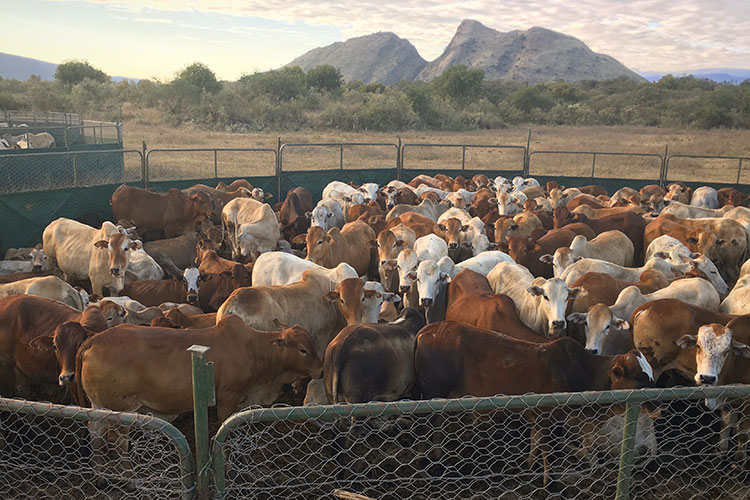
One of the specific tasks I undertook was helping build predator-proof livestock enclosures to protect cattle from lions. These enclosures are constructed from sturdy thorn bushes and provide a safe haven for livestock at night, reducing the risk of predation and minimizing retaliatory killings of lions. I spoke with Mma Gaolathe, a local resident who has benefited from the project. "The enclosures have made a huge difference," she told me. "We no longer have to worry about our cattle being attacked by lions, and we can sleep peacefully at night." She highlighted the importance of community-based tourism Botswana as a source of income and a way to promote sustainable livelihoods.
Mma Gaolathe’s Story
Mma Gaolathe explained how the project has improved the community's livelihood and fostered a sense of ownership in conservation efforts. She emphasized the importance of balancing the needs of people and wildlife, ensuring that future generations can continue to benefit from the delta's resources.
A Birdwatcher's Paradise: Spotting the Elusive Pel's Fishing Owl
The Okavango Delta is a haven for birdwatchers, boasting an astonishing diversity of avian species. From the majestic African fish eagle to the colorful lilac-breasted roller, the delta's skies are alive with vibrant colors and melodic calls. One of my most memorable experiences was a sunset boat trip dedicated to spotting the elusive Pel's Fishing Owl. The promise of seeing this rare bird was incredibly exciting, given my Okavango Delta birdwatching tours enthusiasm.
As the sun began to dip below the horizon, casting a golden glow over the delta, we ventured into a secluded lagoon fringed with towering papyrus reeds. Our guide, a local expert in avian behavior, knew the precise habitat where the owl was most likely to be found. After a period of quiet observation, we were rewarded with a sighting of the Pel's Fishing Owl perched on a branch of a dead tree, its large eyes scanning the water for prey. Its hunting behavior is fascinating: it silently swoops down to snatch fish from the surface. Other notable sightings included the African jacana, with its long toes enabling it to walk on lily pads, and the saddle-billed stork, an elegant wading bird with a distinctive red and black bill.
Immersing in Culture: A Visit to Seronga Village
A visit to the local village of Seronga provided a fascinating glimpse into the traditional culture and customs of the Okavango people. I had the opportunity to learn about traditional crafts, such as basket weaving, which is an integral part of the community's heritage.
I witnessed the intricate process of creating traditional baskets from Mokolwane palm leaves, a skill passed down through generations. The women of the village meticulously weave the leaves into intricate patterns, each with its own symbolic meaning. I interviewed an elder who explained the significance of the different patterns, revealing the stories and beliefs embedded within each basket. A lot of the practices are rooted in sustainable tourism practices.
Savoring Botswana: A Taste of the Delta
The local cuisine of the Okavango Delta is another aspect of its unique charm, emphasizing sustainable and locally sourced ingredients. I had the opportunity to try Mopane worms, a traditional delicacy that is surprisingly nutritious and delicious. While the idea of eating worms may seem unappetizing to some, they are a rich source of protein and a staple food in many parts of Southern Africa. They have an earthy flavor and a slightly chewy texture.
I also enjoyed a traditional Setswana meal prepared with sorghum, watermelons, and beans with a family from Seronga. The meal was simple but delicious, showcasing the fresh, natural flavors of the region. The eco-lodge where I stayed, Nxabega Okavango Tented Camp, is deeply committed to using locally sourced ingredients from nearby farms and gardens. This commitment not only supports local communities but also reduces the environmental impact of food transportation.
The Ever-Changing Landscape: A Symphony of Water and Life
The landscape of the Okavango Delta is truly breathtaking, a constantly evolving mosaic of water, vegetation, and wildlife. The annual flood transforms the drylands into a lush paradise, attracting a wealth of wildlife and sustaining the livelihoods of local communities.
The delta's vegetation is incredibly diverse, ranging from towering papyrus swamps to expansive floodplains teeming with wildlife and dryland forests of acacia and mopane trees. The towering papyrus swamps provide shelter for countless birds and aquatic animals, while the floodplains offer grazing for large herds of herbivores. The dryland forests provide refuge for a variety of mammals, reptiles, and insects.
The "Okavango: Threads of Life" Video
Imagine a 60-90 second short film titled "Okavango: Threads of Life." The video would visually showcase the interconnectedness of the Okavango Delta ecosystem, highlighting the relationship between the annual flood, the wildlife, and the local communities. The video would feature stunning drone footage of the delta's landscape, close-up shots of iconic wildlife species (e.g., lions, elephants, wild dogs), and interviews with local conservationists and community members. The video’s core message would emphasize the importance of conservation efforts in preserving this natural wonder for future generations. The final shot would show a silhouetted mokoro gliding across the sunset-lit delta, with a voiceover stating: "The Okavango: A place where every thread matters. Protect it."
The Okavango Delta is a place of unparalleled beauty and ecological significance. Its fragile ecosystem is threatened by a range of factors, including climate change, habitat loss, and human-wildlife conflict. Sustainable tourism plays a vital role in supporting local communities and protecting this natural wonder for future generations. I encourage you to visit the Okavango Delta responsibly, support local conservation efforts, and experience the magic of this unique destination firsthand. Consider looking into an ethical Okavango Delta tours with conservationist, so that you too can experience the wonder responsibly. By choosing sustainable tourism options, you can help ensure that the Okavango Delta remains a vibrant and thriving ecosystem for years to come.
Ready to embark on your own Okavango Awakening? Book your sustainable safari today!