Ocean Conservation Travel: Transformative Experi...
Imagine a vacation where you not only explore breathtaking destinations but also actively contribute to saving our oceans. Ocean Conservation Travel is a powerful movement that combines adventure with purpose, allowing you to make a tangible impact on marine ecosystems. From restoring coral reefs to rescuing endangered seabirds, your travel choices can directly support vital scientific research and conservation efforts. Ready to dive in? Let's explore some transformative ocean conservation experiences.
Coral Reef Restoration Diving in Raja Ampat, Indonesia
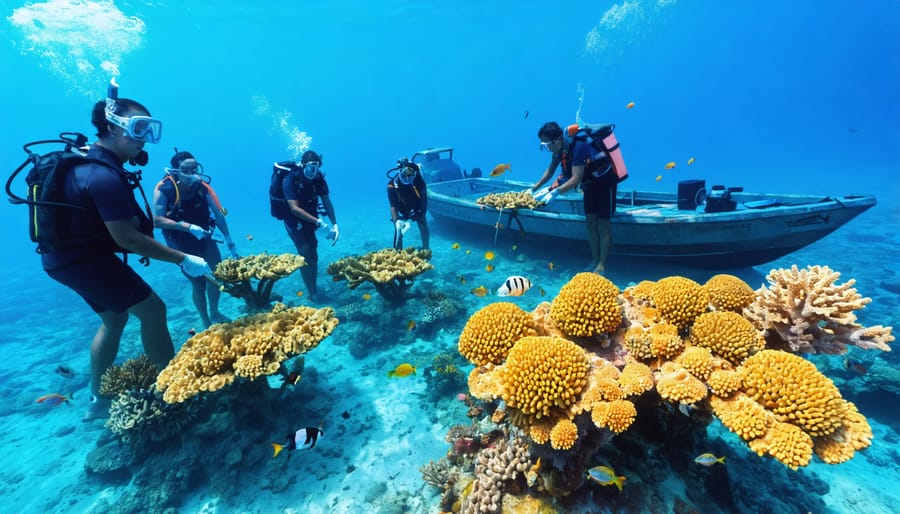
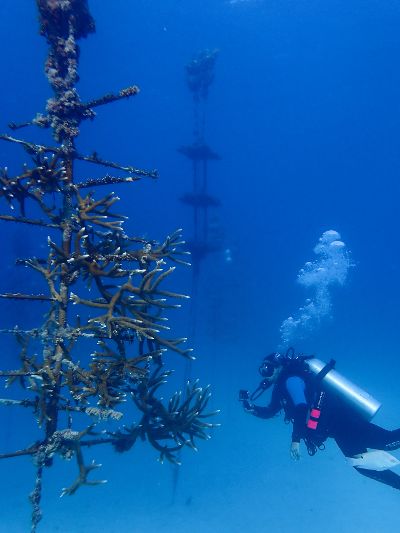
Raja Ampat, a paradise in Indonesia, boasts some of the world's most biodiverse coral reefs. But even this underwater Eden faces threats. You can become a "Coral Gardener" and actively restore damaged reefs. Through specialized dive trips, you'll learn to transplant coral fragments, creating artificial reefs using mineral accretion technology. This innovative approach accelerates coral growth, attracting a vibrant array of marine life. Divers partner with local marine biologists, monitoring reef health and documenting the incredible regrowth after coral transplantation. Research consistently demonstrates increased fish populations and overall biodiversity in restored areas. This is active ocean conservation tourism at its finest.
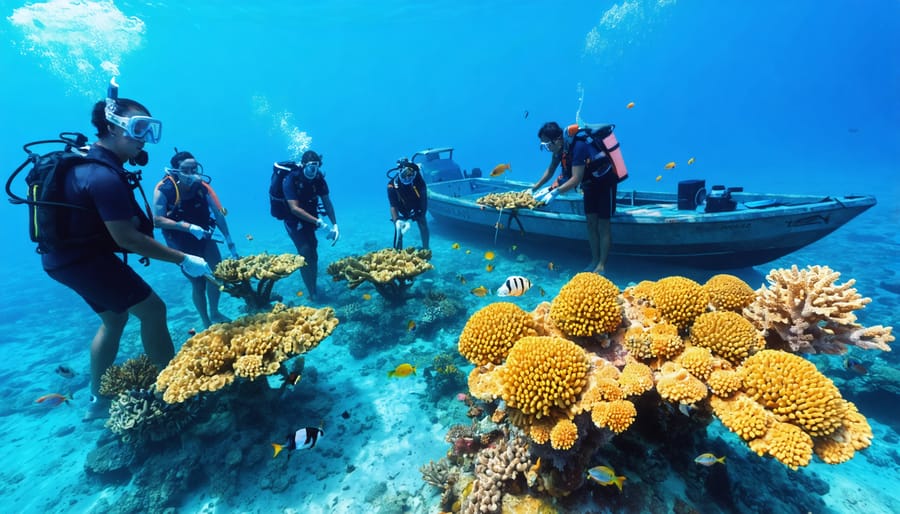
Want to help rebuild Raja Ampat's vibrant reefs? Sign up for a Coral Gardener diving expedition!
Citizen Science Whale Research Expedition in the Azores
The Azores archipelago, a remote Portuguese paradise in the Atlantic, is a haven for whales. You can contribute to crucial whale conservation research with Marine Azores on a citizen science expedition. These expeditions offer a unique opportunity to collect data on whale behavior and migration patterns.
Specific research projects involve using hydrophones to record sperm whale acoustics, helping scientists understand their communication. Travelers also assist in identifying individual whales through photo identification, contributing to long-term monitoring efforts. The data collected contributes to scientific publications that inform whale conservation strategies. Participating in research expeditions are an active ocean conservation tourism opportunity to contribute to science.
Ready to help protect these majestic creatures? Join Marine Azores on a citizen science expedition and contribute to whale conservation research.
Seabird Rehabilitation Volunteering in Cape Town, South Africa
Cape Town is not only known for its stunning landscapes but also its commitment to protecting marine life. SANCCOB (Southern African Foundation for the Conservation of Coastal Birds) is a leading organization dedicated to rescuing, rehabilitating, and releasing endangered African penguins and other seabirds. You can participate in a hands-on volunteering experience.
As a volunteer, you'll assist with various tasks, including feeding chicks, cleaning enclosures, and assisting with medical treatments. SANCCOB has an impressive success rate in rehabilitating penguins, significantly contributing to the recovery of the African penguin population. Their work highlights the ocean conservation travel benefits, and can be a life saving mission for birds that need your help.
Give endangered African penguins a second chance. Volunteer at SANCCOB and help save them!
Microplastic Collection Kayaking Tour in Cornwall, UK
Plastic pollution is a major threat to our oceans, but you can help tackle it directly. In Cornwall, UK, purpose-driven kayaking tours are focused on removing microplastics from coastal waters. Partnering with Keep Britain Tidy and their "Source to Sea" campaign, these tours provide a unique opportunity to clean up the coastline while enjoying the natural beauty of Cornwall.
Participants collect various types of microplastics, and the data gathered is used to analyze and track their sources. This information contributes to national environmental policies and helps reduce pollution. You are providing ethical travel impact through ocean conservation.
Ready to make a difference? Join a microplastic collection kayaking tour with Keep Britain Tidy and clean up Cornwall's coast.
Ghost Net Removal Scuba Diving in the Maldives
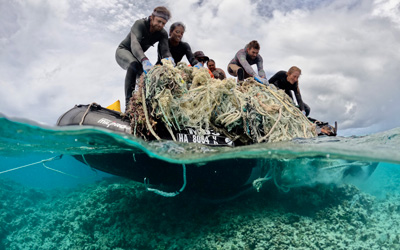
Abandoned fishing nets, or ghost nets, pose a significant threat to marine life, entangling and killing countless animals. In the Maldives, you can join diving expeditions dedicated to removing these deadly nets from coral reefs.
Working with the Olive Ridley Project, divers learn techniques to safely remove ghost nets from reefs, rescuing entangled species in the process. The organization also recycles retrieved nets into usable products, turning a harmful waste product into something beneficial. This is transformative ocean conservation experiences, where you provide hands on help.
Protect marine life in the Maldives. Dive to remove ghost nets with the Olive Ridley Project!
The Importance of Quantifiable Impact in Ocean Conservation
While many travel companies claim to be eco-friendly, it's crucial to look for quantifiable impact. Sustainable tourism options with measurable ocean impact are key to ensuring your vacation dollars truly make a difference. Look for programs that provide data on:
- Coral regrowth rates
- Number of animals rescued
- Amount of plastic removed
- Contribution to scientific publications
By choosing trips with transparent and measurable results, you can be confident that your participation has a real and lasting impact on ocean conservation.
Viral Video Concept: Raja Ampat Coral Reef Restoration
Here's a concept for a viral stop-motion video centered around the coral reef restoration project in Raja Ampat to promote awareness and engagement:
- HOOK (0-3 seconds): Begin with a rapid time-lapse of a bleached coral skeleton rapidly gaining color and algae within seconds as it gets re-planted. This will immediately stop the scroll.
- SCENE: Capture the reef restoration process in cinematic 4K underwater footage. Film divers using GoPro cameras to document themselves carefully transplanting coral fragments onto a designated reef area. Underwater lights illuminate the vibrant colours of the healthy coral against the stark white of the damaged areas. Camera orbits the divers as they work.
- TWIST (Payoff): End with a split-screen showcasing the flourishing vibrant reef on one side versus a stark and haunting shot of a dense ghost net entangling marine life on the other side, underscoring the alternative.
- VIRAL ELEMENTS:
- SURPRISE: The unexpectedly rapid regrowth of color on the bleached coral is visually stunning.
- CLARITY: The stop-motion format simplifies the complex process of coral restoration.
- EMOTION: Generates hope, motivation, and a sense of agency.
- VISUAL STYLE: Underwater time-lapse, crystal clear 4K footage, saturated colors, and dramatic slow motion, with a Pixar-like feel.
Conclusion: Your Next Adventure Awaits
Ocean Conservation Travel offers a unique opportunity to explore the world while making a positive impact on our oceans. Whether you're diving to restore coral reefs, collecting data on whale behavior, or rescuing endangered seabirds, your participation directly contributes to vital conservation efforts. Choose a transformative ocean conservation experiences that aligns with your passions and make your next vacation an adventure with a purpose.
Ready to embark on your active ocean conservation tourism journey? Browse our curated ocean conservation travel packages today!