Oaxaca's Seven Moles: A Culinary Journey Through...
Oaxaca, Mexico, is a land celebrated for its vibrant culture, stunning landscapes, and, most importantly, its unparalleled cuisine. Among its many gastronomic treasures, the seven moles of Oaxaca stand out as a testament to the region's rich culinary heritage. These complex sauces, each with a distinct personality, offer a journey through flavor that captivates the senses and connects you to centuries of tradition. Prepare to be immersed in a world where chili peppers, chocolate, spices, and painstaking preparation create magic on a plate.
A Taste of History: The Origins of Mole
The story of mole is deeply intertwined with the history of Oaxaca. Its roots can be traced back to pre-Hispanic times, where indigenous communities created complex sauces using chili peppers, spices, and other local ingredients. With the arrival of the Spanish, new ingredients like chocolate, nuts, and various spices were incorporated, resulting in the diverse range of moles we know today. More than just a sauce, mole represents a fusion of cultures and a symbol of Oaxacan identity. It's a dish prepared with love and patience, often reserved for special occasions and celebrations.
The Magnificent Seven: Exploring Oaxaca's Moles
Each of Oaxaca's seven moles boasts a unique flavor profile, reflecting the region's diverse ingredients and culinary traditions. Let's delve into each one:
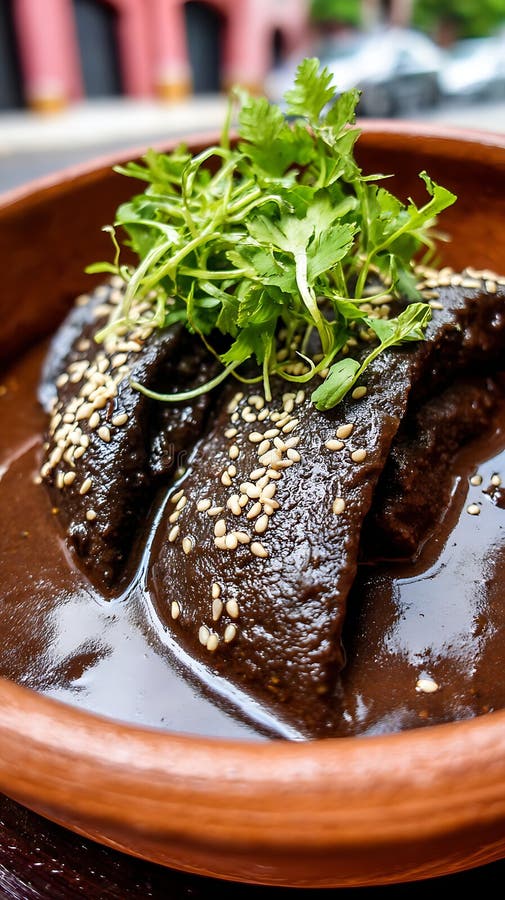
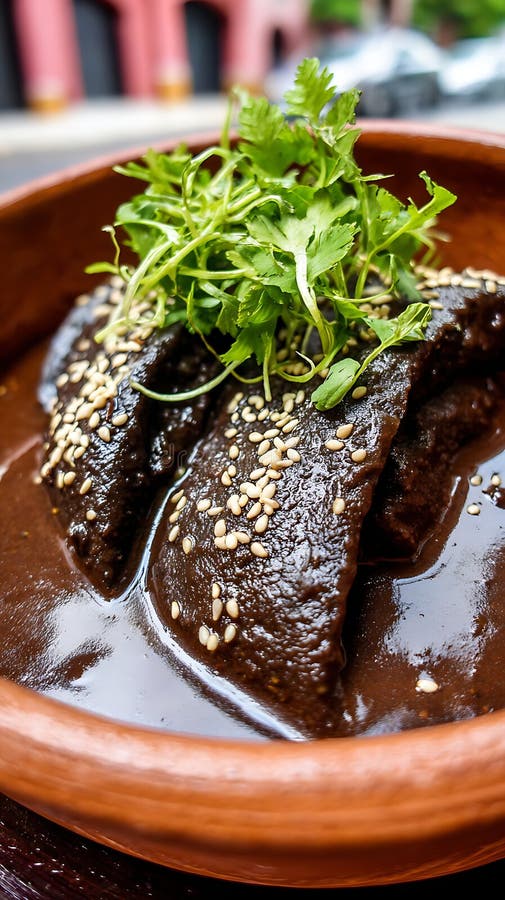
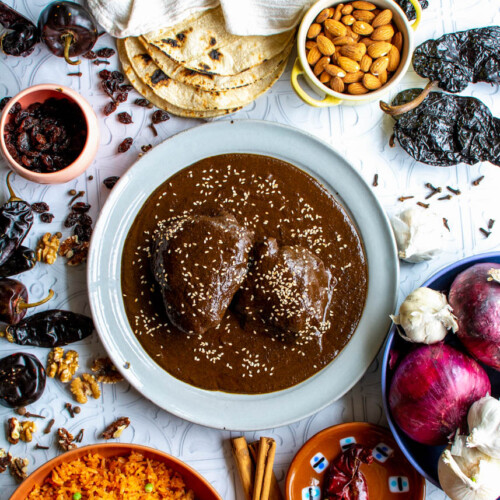
1. Mole Negro (Black Mole): Often considered the "king" of Oaxacan moles, Mole Negro is a complex and deeply flavorful sauce characterized by its dark, almost black color. Key ingredients include chili peppers (chilhuacle negro being the most prized), chocolate, spices like cloves and cinnamon, nuts, and seeds. The preparation is long and arduous, involving roasting and grinding the ingredients, followed by hours of simmering. The result is a rich, smoky, and slightly sweet sauce that's traditionally served with turkey or chicken.
2. Mole Rojo (Red Mole): Mole Rojo is a vibrant and versatile sauce, known for its reddish hue derived from ancho and guajillo chili peppers. It typically includes tomatoes, onions, garlic, nuts, seeds, and a blend of spices. While it shares some ingredients with Mole Negro, the absence of chocolate and the different chili peppers create a distinctly different flavor profile: warm, earthy, and slightly sweet.
3. Mole Coloradito (Little Red Mole): As the name suggests, Mole Coloradito is a milder and sweeter version of Mole Rojo. It gets its color from ancho chilies and often includes plantains or sweet potatoes to enhance its sweetness. This mole is a good option for those who prefer a less spicy sauce.
4. Mole Verde (Green Mole): Fresh and vibrant, Mole Verde showcases the abundance of herbs and greens found in Oaxaca. Key ingredients include tomatillos, cilantro, parsley, green chili peppers, and pepitas (pumpkin seeds). Its flavor is bright, herbaceous, and slightly tangy, making it a refreshing choice, often served with chicken or pork.
5. Mole Amarillo (Yellow Mole): Mole Amarillo stands out with its vibrant yellow color, thanks to the use of yellow chilies, such as chilcostle. It typically includes vegetables like zucchini and green beans, as well as herbs and spices. This mole has a lighter, more vegetable-forward flavor compared to the darker moles, making it a perfect complement to chicken, beef, or even fish.
6. Mole Chichilo: A unique and complex mole, Chichilo incorporates a charred or slightly burnt chili, giving it a distinctive smoky and slightly bitter flavor. It often includes beef broth and herbs like hoja santa, creating a savory and deeply satisfying sauce.
7. Estofado: While technically a stew, Estofado is often considered one of the seven moles due to its complex flavors and traditional preparation. It's a rich, meat-based stew featuring ingredients like olives, capers, almonds, and dried fruits, simmered in a tomato-based sauce.
Experiencing Authentic Mole: Three Must-Visit Locations
To truly appreciate the artistry of Oaxacan mole, you need to experience it firsthand. Here are three locations that offer distinct and unforgettable mole experiences:
1. Origen Restaurant (Miguel Hidalgo 820, Centro, Oaxaca):
Origen, helmed by Chef Rodolfo Castellanos, offers a modern and elevated take on traditional Oaxacan cuisine. The restaurant's ambiance is dimly lit and rustic-chic, creating an intimate setting for a memorable dining experience. Here, you'll find Mole Negro presented with artistry and innovation. Chef Castellanos elevates the classic dish with creative plating and the use of locally sourced, high-quality ingredients. This is a must-visit for foodies seeking a refined mole experience.
Photographic Guidance: Capture a close-up shot of the Mole Negro at Origen, glistening in the low light. Highlight the rich, dark color and complex texture, using a shallow depth of field to emphasize the sauce. Include rustic pottery in the background to add to the authenticity.
2. Criollo Restaurant (Francisco I. Madero 119, Centro, Oaxaca):
Criollo offers a completely different but equally authentic mole experience. Situated in an open-air courtyard filled with lush greenery, the restaurant provides a communal dining atmosphere that embodies the warmth and hospitality of Oaxacan culture. Their Mole Amarillo, prepared with local herbs and spices, exemplifies Oaxacan home cooking. The flavors are simple, honest, and deeply satisfying, showcasing the quality of the local ingredients. Eating at Criollo feels like being welcomed into a traditional Oaxacan home.
Photographic Guidance: Take a wide shot of the outdoor courtyard at Criollo, capturing the green surroundings and diners enjoying the vibrant yellow mole. Use natural light to enhance the colors and create a sense of warmth.
3. Mercado Benito Juárez (Corner of Las Casas and Flores Magón, Centro, Oaxaca):
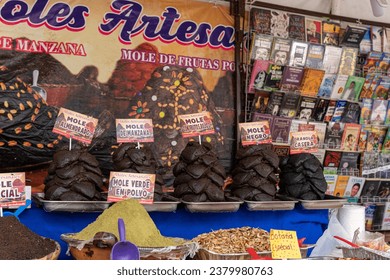
For a truly immersive experience, head to Mercado Benito Juárez, a bustling marketplace where you can witness the heart of Oaxacan culinary culture. Here, vendors proudly display a rainbow of mole pastes, each with its own unique aroma and color. The vibrant atmosphere and intense aromas will awaken your senses. This is the perfect place to sample different moles from various vendors, ask questions, and purchase ingredients to try making mole at home. Remember to engage respectfully with the vendors and be prepared to haggle for the best price.
Photographic Guidance: Capture a high-angle shot of the various mole pastes on display at Mercado Benito Juárez, showcasing the diverse colors and textures. Capture the movement and energy of the market in the background. Use a wider depth of field to capture the entire scene.
Tips for Exploring Mole in Oaxaca
- Best Time to Visit: Oaxaca is beautiful year-round, but the Guelaguetza festival in July offers a particularly vibrant cultural experience.
- Engage Respectfully: When interacting with local vendors and chefs, show genuine interest in their craft and traditions. Ask questions and listen attentively.
- Take a Cooking Class: Many cooking schools in Oaxaca offer mole-making classes, providing a hands-on experience and a deeper understanding of the process.
- Be Adventurous: Don't be afraid to try all seven moles! Each one offers a unique flavor experience that will broaden your culinary horizons.
- Bring Home Souvenirs: Purchase mole paste or individual ingredients from the market to recreate the flavors of Oaxaca in your own kitchen.
The Soul of Oaxaca on a Plate
Oaxaca's seven moles are more than just sauces; they are a reflection of the region's history, culture, and community. Each mole tells a story, passed down through generations, and represents the love and dedication of Oaxacan cooks. By exploring these culinary treasures, you'll not only tantalize your taste buds but also gain a deeper appreciation for the soul of Oaxaca. So, embark on this culinary journey, and let the flavors of mole transport you to the heart of Mexico.