Oaxaca's Culinary Soul: Tlayudas, Mole Negro, an...
Imagine cobblestone streets bathed in the warm glow of sunset, the air thick with the scent of roasting chiles and the rhythmic strumming of a lone guitarist. This is Oaxaca, where culinary traditions run deep and every bite tells a story. From the crispy, oversized tlayudas sold by street vendors to the complex, centuries-old recipes for mole negro, Oaxacan cuisine is a sensory experience unlike any other. And, of course, no exploration of Oaxaca's culinary soul is complete without discovering the magic of mezcal, the region's iconic spirit. This article delves into the heart of Oaxacan food culture, highlighting must-try dishes, immersive experiences, and the unique stories behind them, offering an authentic Oaxaca culinary travel adventure.
Tlayudas Doña Flavia: A Midnight Feast
Forget late-night pizza – in Oaxaca, the real after-dark indulgence is a tlayuda. Head to the plaza outside the Basílica de la Soledad after dark to experience the magic firsthand. Amidst a chorus of vendors, seek out Tlayudas Doña Flavia. Her family's secret recipe, passed down through generations, transforms a giant, crispy tortilla into a canvas of flavor.
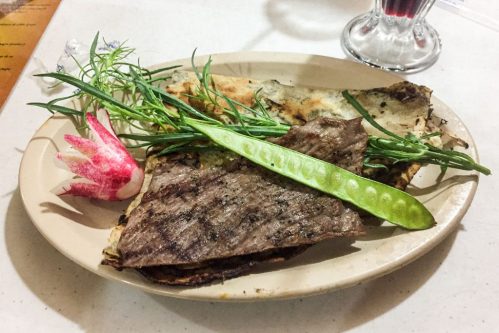
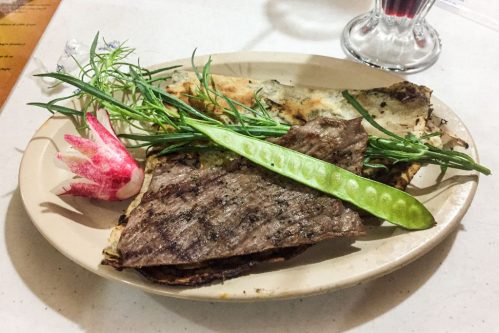
Picture this: a thin layer of asiento (rendered pork lard), followed by refried beans, shredded cabbage, quesillo cheese that stretches for days, your choice of grilled meat (perhaps tasajo, thin-cut salted beef), and a fiery salsa roja. The tlayuda crackles with each bite, a symphony of textures and tastes that lingers long after the last crumb. The smoky tasajo, the tangy quesillo, the fiery salsa, all harmonizing on that giant tortilla. Don't be shy; ask Doña Flavia for a recommendation – she might share a secret salsa if you're lucky. Learn to make tlayudas at Doña Flavia's Oaxaca for an unforgettable experience! For a taste of authentic Oaxaca food culture immersion, this experience can't be beat.
Tlayuda Oaxaca Recipe and History
The tlayuda's origins are humble, rooted in the ingenuity of Oaxacan cooks seeking a way to preserve tortillas for longer periods. The large size and toasting process allow them to last for days, making them a staple for travelers and farmers. Today, the tlayuda has evolved into a culinary masterpiece, with regional variations and countless toppings. It truly represents Oaxaca gastronomy. The recipe itself is relatively simple: a large, thin corn tortilla is toasted until crispy, then topped with a variety of ingredients. The key is the quality of the ingredients, from the locally sourced corn to the freshly made quesillo.
Casa Oaxaca Cooking School: Unlocking the Secrets of Mole Negro
Mole Negro isn't just a sauce; it's a labor of love, a testament to Oaxaca's culinary heritage. Immerse yourself in its creation by taking a cooking class at Casa Oaxaca Cooking School. This is a great way to enjoy an Authentic Oaxacan cuisine tour.
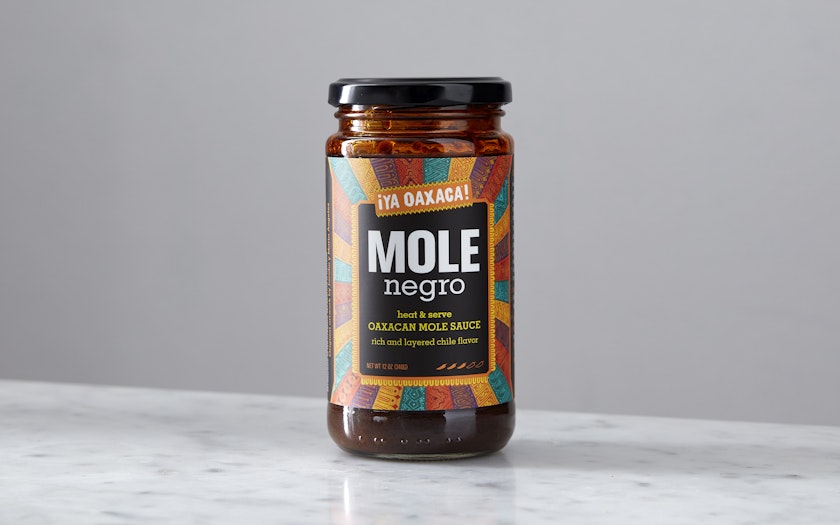
The experience begins in the market, selecting the freshest ingredients. The heart of the experience lies in the metate. Feel the weight of the stone, the rhythm of your arms as you grind the roasted chiles – ancho, pasilla, guajillo, spices, and chocolate into a smooth, fragrant paste. The air fills with an intoxicating aroma – earthy, sweet, spicy, and complex. This is where the magic of mole happens, and it's a truly humbling experience. Book your Oaxaca cooking class cultural experience at Casa Oaxaca today! You can also find some of the best restaurants in Oaxaca City for authentic Mole Negro.
Mole Negro Oaxaca Traditional Cooking
The process of making mole negro is a time-honored tradition, passed down through generations. It requires patience, skill, and a deep understanding of the ingredients. The base typically includes a blend of dried chiles, such as ancho, pasilla, and guajillo, which are roasted to develop their flavors. Other common ingredients include chocolate, nuts, seeds, spices, and even plantains. The ingredients are carefully ground, often using a metate, and then simmered for hours until the flavors meld together into a rich, complex sauce. The history of mole negro is deeply intertwined with Oaxacan heritage, dating back centuries. The traditional cooking methods reflect a respect for the ingredients and a commitment to preserving cultural traditions.
Mezcal El Cortijo: From Agave to Spirit
Venture into the Valles Centrales to discover the soul of mezcal. A guided tour of Mezcal El Cortijo, a small, family-owned palenque, offers an intimate look at this ancient spirit.
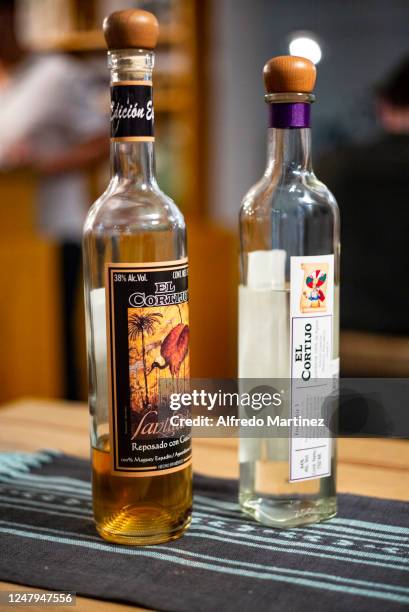
Witness the entire process: the agave piñas roasting in an underground oven, releasing their smoky sweetness; the fermentation in wooden vats, bubbling with life; and the distillation in copper stills, transforming the fermented juice into the potent elixir. Feel the heat radiating from the still, inhale the earthy aroma of the roasted agave, and savor the first sip of El Cortijo's mezcal, a testament to tradition and craftsmanship. Consider a Sustainable mezcal tour Oaxaca family distillery for a responsible experience.
Best Mezcal Distilleries Oaxaca Valles Centrales
The Valles Centrales region of Oaxaca is the heartland of mezcal production, home to numerous distilleries, known as palenques, that produce this iconic spirit. These palenques range from small, family-run operations to larger, more commercial enterprises. However, many of the best distilleries are those that adhere to traditional methods, using locally sourced agave and time-honored techniques. When visiting the Valles Centrales, be sure to seek out distilleries that prioritize sustainability and fair labor practices. Mezcal El Cortijo is one such example, offering an authentic and responsible mezcal experience. This sustainable approach ensures that the production of mezcal benefits the local communities and preserves the environment for future generations.
Experience Oaxacan Food Culture: Essential Dishes and Flavors
Here's a list of other essential dishes to sample for an Oaxaca food culture immersion:
- Chapulines: Crispy, seasoned grasshoppers, a surprisingly delicious and protein-rich snack.
- Oaxacan Chocolate: Rich, dark chocolate, often flavored with cinnamon, almonds, and chili. Try Mayordomo Chocolate, a local favorite.
- Tejate: A refreshing pre-Hispanic beverage made from corn, cacao, rosita flowers, and pixtle.
- Sopa de Guías: A traditional soup made with squash tendrils, corn, and beans.
- Enmoladas: Tortillas filled with cheese or meat, smothered in mole sauce.
- Tlayudas: A large tortilla that is grilled and topped with refried beans, lettuce or cabbage, avocado, meat, quesillo, and salsa.
When To Visit Oaxaca For the Best Culinary Experiences
- Día de Muertos (Day of the Dead): (Late October/Early November) Witness the elaborate altars and traditional foods prepared in honor of the deceased. Oaxaca food festivals Dia de Muertos offer a unique cultural experience.
- Guelaguetza: (July) A vibrant indigenous festival celebrating Oaxacan culture with traditional dances, music, and food.
- Christmas: (December) Enjoy festive holiday meals and traditional treats.
Conclusion:
Oaxaca's culinary scene is more than just food; it's a living tapestry woven with history, tradition, and community. From the sizzling tlayudas under the night sky to the complex flavors of mole negro and the smoky allure of mezcal, every bite and sip tells a story. Immersing yourself in this culinary landscape is an invitation to connect with the heart and soul of Oaxaca. So, pack your bags, sharpen your appetite, and prepare for an authentic Oaxacan cuisine tour that will tantalize your taste buds and leave you with a profound appreciation for this remarkable region. Learn more about Oaxaca culinary travel at vistalocation.com.
- Book your cooking class at Casa Oaxaca Cooking School: https://www.casaoaxacacooking.com/
- Plan your Mezcal tour to Mezcal El Cortijo: [No link provided]
- Learn more about Oaxacan cuisine at vistalocation.com