Oaxaca's Culinary Heart: Tlayudas, Mole Negro,...
Oaxaca, Mexico. The name conjures images of vibrant colors, intricate textiles, and a rich cultural heritage. But beyond the visual splendor, Oaxaca holds a secret weapon: its cuisine. Forget what you think you know about Mexican food; Oaxacan cuisine is a world unto itself, a complex tapestry of flavors and traditions passed down through generations. Prepare your taste buds for an adventure as we delve into three essential Oaxacan food experiences: the mighty Tlayuda, the enigmatic Mole Negro, and the surprisingly addictive Chapulines.
Tlayudas: A Crispy Oaxacan Pizza Experience
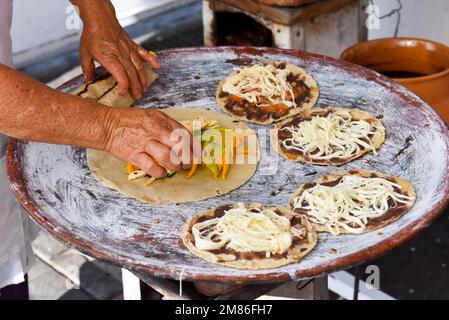
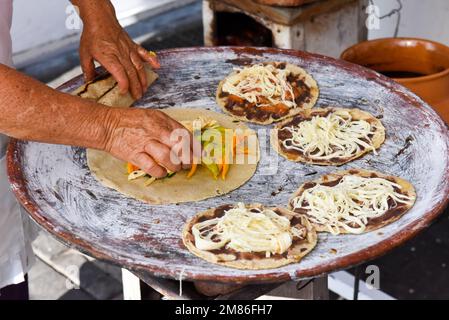
Our culinary journey begins in the heart of Oaxaca City, within the bustling walls of Mercado 20 de Noviembre. This isn't just a market; it's a sensory explosion. The air crackles with the sizzle of grilled meats, the sweet perfume of ripe mangoes, and the earthy aroma of toasted tortillas. Navigate through the maze of stalls, and you'll inevitably be drawn to the Tlayuda vendors. These are no ordinary tortillas; Tlayudas are massive, thin, and crispy, almost like a Oaxacan-style pizza crust.
Seek out "Tlayudas La Abuelita Elena," a fictional stall with a hand-painted sign depicting a smiling grandmother. Imagine her station: a blazing charcoal grill radiating heat, a meticulously arranged array of ingredients – mounds of shredded cabbage, glistening quesillo (Oaxacan cheese), and bowls overflowing with vibrant salsas.
Ordering is an experience in itself. Point to your desired meat – perhaps tasajo (thinly sliced grilled beef), chorizo (spicy sausage), or cecina (thinly salted pork). Watch as La Abuelita Elena expertly assembles your Tlayuda. First, the giant tortilla is warmed on the grill, then slathered with asiento (rich pork lard), followed by a generous layer of refried beans. Next comes the cabbage, the quesillo, the salsa, and finally, your chosen meat. The price? A steal at around 80-120 pesos.
The taste is a revelation. The crispy tortilla provides a satisfying crunch, while the asiento adds a savory depth. The refried beans offer a creamy counterpoint, and the quesillo melts into a gooey, flavorful mess. The meat adds a protein punch, and the salsa provides a welcome kick. Eating a Tlayuda is often a communal affair. Find a spot at one of the crowded tables under the bright fluorescent lights of the market, and share your Tlayuda with friends and family. It's a taste of Oaxaca you won't soon forget.
Mole Negro: Unlocking the Secrets of Oaxacan Soul Food
From the street food frenzy of the market, we move to a dish steeped in history and tradition: Mole Negro. This isn't just a sauce; it's a culinary masterpiece, a testament to the patience and artistry of Oaxacan cooks. Mole Negro traces its origins back to pre-Hispanic traditions, and the process of making it is a ritual in itself. It involves roasting chilies, grinding spices, and simmering the sauce for days, sometimes weeks.
To truly understand Mole Negro, consider taking a hands-on Oaxacan cooking class. "El Corazón de la Cocina," is a hypothetical cooking school that specializes in teaching the art of mole-making. The experience begins with a trip to a local market, where you'll learn to identify the various types of chilies and spices that go into the sauce. You'll then return to the kitchen, where you'll grind the spices by hand using a traditional metate (a stone grinding tool).
The roasting of the chilies is a delicate process, requiring constant attention to prevent them from burning. Once the spices and chilies are prepared, they're added to a pot with a variety of other ingredients, including chocolate, nuts, seeds, and even plantains. The sauce is then simmered for hours, allowing the flavors to meld and deepen.
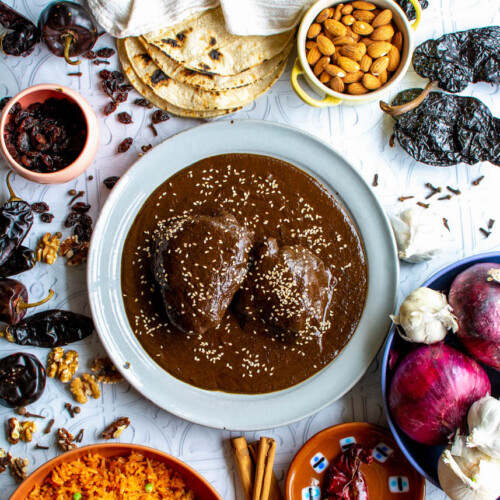
The final result is a rich, complex, dark sauce that's typically served over chicken or turkey. The taste is an incredible balance of sweet, spicy, and smoky flavors. There's a subtle sweetness from the chocolate, a pleasant heat from the chilies, and a deep smokiness from the roasting. Creating Mole Negro is a labor of love, and the feeling of accomplishment after completing this intensive dish is incredibly rewarding. This class typically costs between 1200-1800 pesos, but it's an investment in an unforgettable culinary experience.
Chapulines: Embracing the Crunchy Snack of Oaxaca
Now, for the truly adventurous: Chapulines. These toasted grasshoppers are a common sight in Oaxacan markets, and while the idea of eating them may initially seem daunting, they're a surprisingly delicious and nutritious snack.
You'll find them in abundance near the Zocalo, Oaxaca's main square. The air is filled with the sounds of vendors hawking their goods, and the earthy smell of the chapulines hangs heavy in the air. They're typically seasoned with chili powder, garlic, and lime, and piled high on stalls.
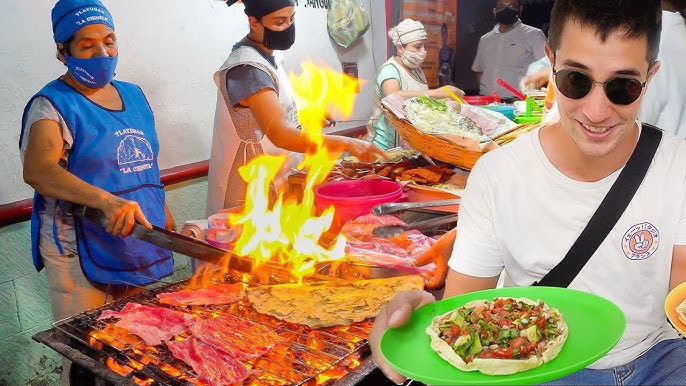
Resist the urge to shy away and be brave! Buy a small bag for around 30-50 pesos. The texture is crunchy and slightly salty. The taste is earthy, nutty, and subtly spicy. They might not be for everyone, but chapulines are a surprisingly addictive snack. They're also packed with protein and have been a staple of the Oaxacan diet for centuries.
Chapulines were a vital food source for pre-Hispanic cultures and continue to be enjoyed today. Pair them with a cold bottle of Mexican beer for the ultimate Oaxacan snack experience. You might just find yourself converted!
Beyond the Plate: Experiencing Oaxacan Culture
Oaxacan cuisine is more than just the sum of its ingredients; it's a reflection of the region's rich culture, history, and traditions. Exploring the culinary scene is a journey into the heart of Oaxaca.
To further immerse yourself in Oaxacan culture, consider booking a mezcal tasting tour. Visit the agave fields and learn about the traditional methods of mezcal production. Click here to book your mezcal tasting tour today!
From the bustling markets to the cozy cooking classes, Oaxaca offers a culinary adventure unlike any other. So, pack your bags, prepare your palate, and get ready to discover the vibrant flavors of Oaxaca.