
Oaxaca: A Journey Through the Seven Moles
Oaxaca
Oaxaca. The name itself evokes a sense of ancient mystery and vibrant tradition. Nestled in a valley cradled by the Sierra Madre mountains, this Mexican city pulses with a rhythm all its own. The air, thick with the scent of roasting chilies and blooming jacaranda trees, hints at the culinary treasures that lie within. Here, food is more than sustenance; it's a language, a history, a deeply personal expression of Oaxacan identity. And at the heart of this culinary tapestry lies mole – not just a sauce, but a symbol of heritage, passed down through generations of skilled cooks. Prepare to embark on a flavorful journey through the seven iconic moles of Oaxaca, each a unique masterpiece of ingredients and tradition.

Mole Negro: A Symphony of Dark Flavors
My introduction to the intricate world of Oaxacan mole began in a cooking class at Casa de los Sabores. The morning air was cool and crisp, carrying the intoxicating aroma of roasting mulato and pasilla chilies. Inside, under the soft glow of hanging paper lanterns, the rhythmic thwack of the grinding stone filled the air. I joined a small group gathered around a metate, learning the ancient art of transforming humble ingredients into culinary gold.
Mole Negro, the "black mole," is perhaps the most complex and celebrated of Oaxaca's sauces. Its preparation is a testament to patience and dedication, a slow, deliberate process that takes the better part of a day. We began by charring earthy mulato chilies and fruity pasilla chilies over an open flame, coaxing out their smoky depths. Then came the grinding, a labor of love that transformed the dried peppers into a rich, fragrant paste. Bittersweet Oaxacan chocolate, crunchy almonds, sesame seeds, and a complex blend of warm spices like clove and cinnamon joined the chorus, each ingredient contributing its unique voice to the final composition.
Hours later, the mole simmered gently in a traditional clay pot over a wood-fired stove, its aroma filling the air with a tantalizing blend of sweet, smoky, and spicy notes. The taste was an explosion of flavors: the deep, bittersweet chocolate melding seamlessly with the smoky chilies, the warm spices adding a comforting embrace, and a lingering, pleasant heat that danced on the tongue. This is more than just a sauce; it's an experience, a journey through the heart of Oaxacan cuisine. If you want to truly immerse yourself in the preparation of this dish, consider taking a cooking class with Oaxaca Culinary Tours.
Mole Rojo: A Taste of the Market
The vibrant energy of Mercado 20 de Noviembre is intoxicating. In the mid-afternoon sun, the market pulsates with life: the cacophony of vendor calls, the vibrant colors of produce overflowing from stalls, and the overwhelming array of mole pastes displayed in earthenware bowls. It was here, amidst the organized chaos, that I discovered the magic of Mole Rojo, the "red mole."
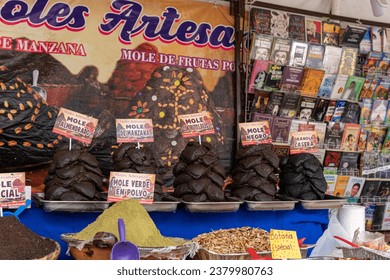
The aroma of Mole Rojo is a symphony of earthy and sweet notes, a blend of guajillo chilies, ripe tomatoes, pungent onions, garlic, and warming spices like oregano and thyme. I met Dona Elena, a woman with weathered hands and a warm smile, surrounded by her meticulously arranged mole pastes. She offered me a taste, and the vibrant, earthy flavor exploded on my tongue, with a hint of sweetness and a pleasant, tingling heat. It was a taste of Oaxaca in its purest form, a reflection of the region's rich agricultural heritage.
Mole Verde: A Modern Interpretation
For a different perspective on Oaxacan mole, I ventured to Origen, a restaurant known for its modern interpretations of traditional cuisine. The sleek, minimalist décor and soft lighting created a hushed atmosphere, a stark contrast to the bustling market. Here, Mole Verde, the "green mole," was presented as a work of art.
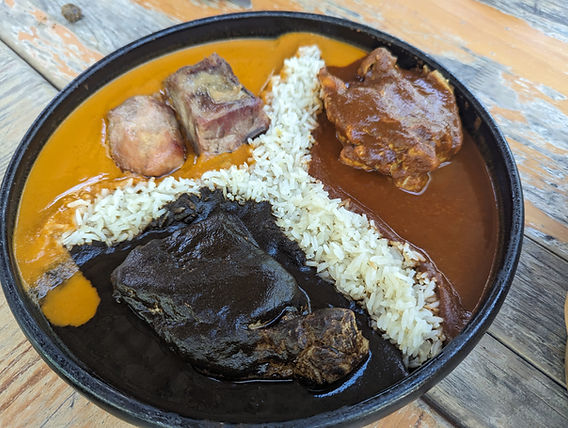
A perfectly seared piece of chicken nestled in a pool of vibrant green sauce, garnished with edible flowers and microgreens. The ingredients were a refreshing departure from the darker, richer moles: tart tomatillos, fiery green chilies (serranos and jalapeños), fresh herbs like epazote, cilantro, and parsley, and nutty pumpkin seeds. The taste was equally vibrant, a fresh, herbaceous flavor with a bright acidity and a subtle heat that built over time. It was a reminder that Oaxacan cuisine is not static, but a living tradition that continues to evolve.
Mole Amarillo: The Yellow Wonder
Mole Amarillo, often referred to as the "yellow mole," distinguishes itself with its unique color and flavor profile largely attributed to the chilhuacle amarillo pepper. Unlike its darker counterparts, Mole Amarillo presents a lighter, brighter taste experience. The chilhuacle amarillo boasts a fruity, almost citrusy note that sets it apart. Its preparation involves careful toasting and grinding to release its aromatic oils, which infuse the dish with its signature yellow hue and subtle sweetness. This mole is a testament to how a single ingredient can drastically alter the character of a dish.
Mole Chichilo: Embracing the Ash
Mole Chichilo is perhaps the most intriguing of the seven, distinguished by its use of charred tortillas. These tortillas aren't just toasted; they're intentionally burned to ash, giving the mole its unique dark color and a rich, umami flavor unlike any other. The process of charring and incorporating the ash imparts a smoky depth that is both complex and satisfying. Traditionally served with beef or lamb, Mole Chichilo is a dish that celebrates the transformative power of fire and the resourcefulness of Oaxacan cooks.
Street Mole Empanadas: A Taste of the Zocalo
No culinary journey through Oaxaca is complete without sampling street food. One evening, as dusk settled over the Zocalo, I found myself drawn to a small cart illuminated by a single flickering lightbulb. A man with a handlebar mustache and a worn apron presided over a stack of steaming empanadas. The air was cool and scented with woodsmoke, mariachi music drifted from a nearby plaza, and children chased pigeons through the square.
He handed me an empanada, and the slightly greasy, crispy masa shell gave way to a savory filling of mole and shredded chicken. The contrast between the rustic street food and the refined restaurant versions was striking. This was a simpler, more direct expression of mole, a perfect embodiment of Oaxacan comfort food. This is the perfect snack after you check out some of the sustainable tourism initiatives promoted by The Mole Route which help connect travellers to local artisans.
Embark on Your Oaxacan Culinary Adventure
Oaxaca is a feast for the senses, a place where ancient traditions and modern innovation intertwine. The seven moles are just the beginning of a culinary exploration that will captivate your palate and enrich your understanding of Oaxacan culture. Seek out authentic Oaxacan restaurants, explore the bustling markets, and connect with local cooks to experience the true flavors of mole. From weddings to Day of the Dead celebrations, mole is an integral part of Oaxacan life, a symbol of community, heritage, and the enduring power of food. Come, discover the magic of Oaxaca, one mole at a time.