Nosy Be: A Sustainable Slice of Malagasy Paradis...
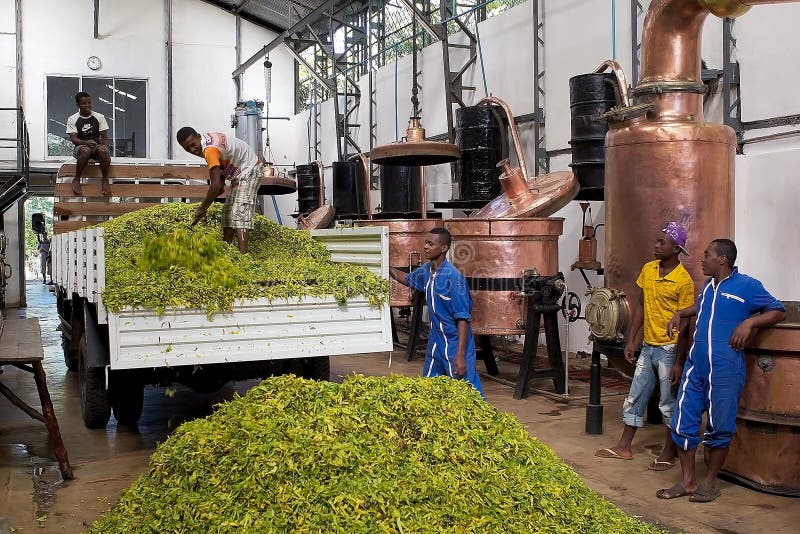
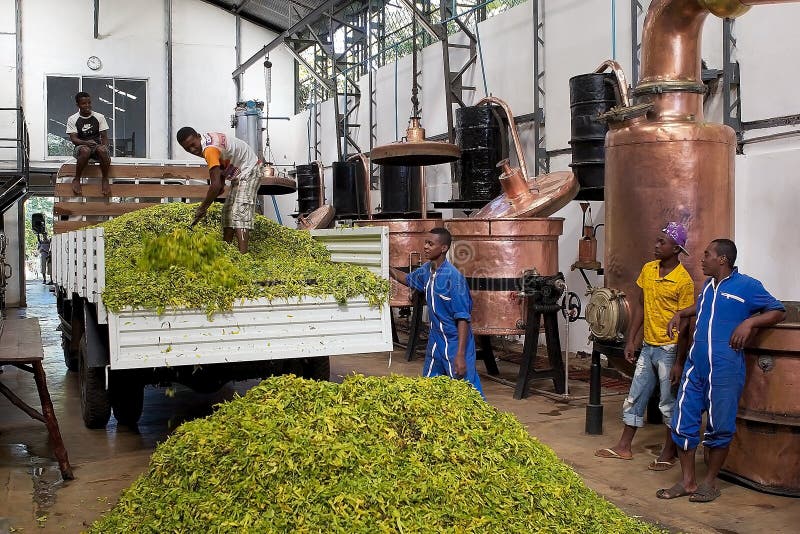
Landing in Nosy Be was like stepping into a vibrant, fragrant dream. The air, thick with the sweet perfume of ylang-ylang, immediately enveloped me. My senses were instantly ignited – the chaotic, colourful tapestry of the market in Hell-Ville, a sensory overload of spices and textiles, and the comforting warmth of the Malagasy sun kissing my skin. I knew instantly that this 10-day trip to Nosy Be, Madagascar, would be unlike any other, a journey focused on sustainable tourism and deep cultural immersion. This Nosy Be Madagascar travel experience promised to be something special.
Days 1 & 2: Settling In and Exploring Hell-Ville
My first stop was the Vanila Hotel & Spa, carefully chosen for its commitment to eco-friendly hotels Nosy Be practices. The hotel truly embraces sustainable tourism Nosy Be. I was immediately impressed by their efforts; solar panels lined the roofs, providing a significant portion of their energy needs. They also have a sophisticated water conservation system, recycling water for irrigation and other non-potable uses. The Vanila Hotel’s dedication to reducing its environmental footprint was evident in every detail, from the locally sourced toiletries to the composting program for food waste.
Once settled, I ventured into Hell-Ville, the bustling capital of Nosy Be. The market was a feast for the eyes, a swirling kaleidoscope of colours and textures. I was on a mission to find Madame Zafindraony, a renowned local artisan known for her exquisite hand-woven baskets. After navigating the maze of stalls, I found her, her hands nimble as she wove intricate patterns with dyed raffia. I purchased several baskets, knowing that my money was going directly to support her craft and family, embodying the principles of responsible tourism. Learning how to support local communities Nosy Be is easier than one might think.
That evening, I indulged in the local cuisine. A street vendor’s charcoal grill beckoned, and I couldn't resist the aroma of freshly grilled seafood. I savored succulent grilled octopus, perfectly charred and seasoned, paired with a refreshing THB (Three Horses Beer), the local brew. It was a simple yet unforgettable introduction to the flavours of Madagascar.
Day 3: Lemur Trekking in Lokobe National Park
A trip to Nosy Be things to do should always include Lokobe National Park. Today was all about experiencing the unique wildlife of Madagascar, specifically the adorable lemurs. I booked a guided tour with Madagascar Green Tours, a company committed to responsible and ethical tourism. Their guides are trained to minimize disturbance to the animals and their habitat, ensuring the lemur welfare is prioritized. Choosing a tour operator that supports local conservation efforts is crucial.
The trek through the lush rainforest was an adventure in itself. Our guide expertly navigated the dense foliage, pointing out various medicinal plants and explaining the importance of preserving this fragile ecosystem. The highlight, of course, was spotting the black lemurs, their mischievous eyes peering down from the trees. We also encountered a panther chameleon, its skin a vibrant display of changing colours. Seeing these creatures in their natural habitat was a humbling and unforgettable experience. My Nosy Be lemur trekking adventure was an incredible success.
Day 4: A Celebration of Sakalava Culture
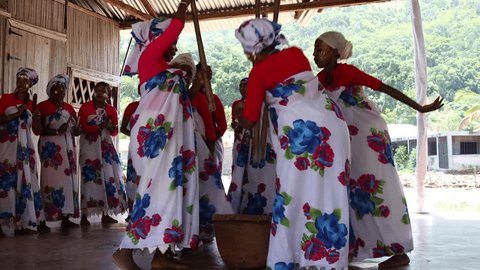
Today, I had the privilege of attending a traditional Sakalava dance performance in a nearby village. The Sakalava are one of the major ethnic groups in Madagascar, and their culture is rich with history and tradition. The dancers were adorned in elaborate costumes, their faces painted with intricate designs. The music, played on traditional instruments, was both mesmerizing and powerful. The Sakalava dance is truly part of the Nosy Be culture and traditions.
The dance told stories of their ancestors, their beliefs, and their connection to the land. It was a beautiful display of cultural heritage, a living testament to their enduring traditions. After the performance, I had the opportunity to speak with the dance troupe leader, who emphasized the importance of preserving their cultural heritage for future generations. He explained how tourism, when done responsibly, can help support their efforts.
Day 5: Snorkeling in Nosy Tanikely Marine Reserve
A snorkeling trip to Nosy Tanikely Marine Reserve was next on my Nosy Be Madagascar itinerary. The turquoise waters teemed with life, a vibrant underwater paradise waiting to be explored. I made sure to apply reef-safe sunscreen, a crucial step in protecting the delicate coral reefs from harmful chemicals. This is an incredibly important responsible tourism tip for Nosy Be Madagascar.
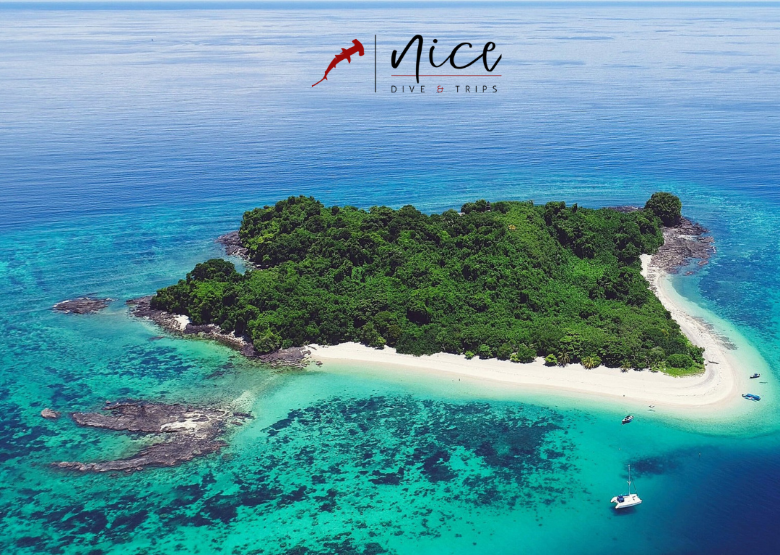
As I slipped beneath the surface, I was immediately surrounded by a kaleidoscope of colourful fish. The coral reefs were breathtaking, a living tapestry of intricate shapes and textures. I even had the incredible experience of swimming alongside a graceful sea turtle, its ancient eyes seemingly unfazed by my presence. The sheer biodiversity of this marine reserve was awe-inspiring, a reminder of the importance of protecting our oceans.
Day 6: Tranquility at Lac Amparihibe
Seeking a change of pace, I spent the day relaxing at Lac Amparihibe, a volcanic crater lake nestled in the heart of Nosy Be. The lake was surrounded by lush vegetation, creating a tranquil and serene atmosphere. It was the perfect place to escape the hustle and bustle of the island and reconnect with nature. The air was still and peaceful, broken only by the gentle sounds of birdsong. I spent hours simply sitting by the lake, soaking in the beauty and tranquility of this hidden gem.
Day 7: Immersed in Malagasy Music
While my trip didn't perfectly align with the Donia Music Festival (something to consider if you are planning your trip), I was fortunate enough to attend a local community music event. The music was a vibrant blend of traditional Malagasy rhythms and contemporary styles. The energy was infectious, and I found myself clapping along to the beat, caught up in the joyous celebration of Malagasy culture. It was a reminder that music is a universal language, capable of transcending cultural barriers and bringing people together.
Day 8: Sunset Dhow Cruise around Nosy Sakatia
A sunset dhow cruise around Nosy Sakatia was the perfect way to end another day in paradise. As the sun began to dip below the horizon, the sky exploded in a riot of colours, painting the coastline in hues of orange, pink, and purple. The gentle rocking of the dhow, the warm sea breeze, and the stunning panoramic views created a truly magical experience.
Day 9: Nosy Iranja's Pristine Beauty
My final full day was dedicated to exploring Nosy Iranja, a pair of islands connected by a stunning white sandbar. The beaches were pristine, the sand soft and powdery, and the turquoise waters were crystal clear. Walking along the sandbar, with the ocean stretching out on either side, felt like a dream.
Before leaving, I purchased some vanilla-infused rum as a souvenir. I made sure to buy it from a reputable local producer, knowing that my purchase would directly support the local economy. It’s important to seek out authentic Malagasy cuisine Nosy Be, or locally made souvenirs to improve the positive impact of tourism.
Day 10: Farewell, Nosy Be
As I prepared to leave Nosy Be, I couldn't help but reflect on the incredible experiences I had enjoyed over the past 10 days. From the vibrant markets to the serene landscapes, from the unique wildlife to the rich culture, Nosy Be had captivated my heart. I savored a final meal of Romazava, a traditional Malagasy stew. I noticed the chef used ginger, garlic, tomato, and brèdes (greens) to bring it to life. I also enjoyed some Koba, a sweet treat made from ground peanuts, rice flour, and honey, wrapped in banana leaves. It was the perfect way to end my culinary journey through Madagascar.
But beyond the beauty and adventure, what resonated most with me was the warmth and resilience of the Malagasy people. Their commitment to preserving their culture and protecting their environment was truly inspiring. Is Nosy Be Madagascar safe for tourists? Absolutely. I felt incredibly welcome and safe during my stay.
A Call to Responsible Action
My journey to Nosy Be Madagascar has reinforced my belief in the power of responsible tourism. When we travel, we have a responsibility to minimize our impact on the environment and to support the local communities we visit. Choose eco-friendly hotels Nosy Be and support locally owned businesses, such as artisan shops and restaurants. Seek out tour operators that prioritize sustainability and ethical practices, such as Madagascar Green Tours. Best Nosy Be tours will directly benefit the local community. By making conscious choices, we can ensure that our travels leave a positive impact on the world.
As the sun set one last time, painting the sky in breathtaking hues, I felt a sense of hope for the future of sustainable tourism in Madagascar. With a continued commitment to responsible practices, Nosy Be can remain a paradise for generations to come. Book your trip today and experience the magic of Nosy Be responsibly. Check out Vista Location travel packages for your next Malagasy adventure.