Nosy Be: A Marine Biologist's Perspective on Par...
Hello everyone, Idris here. As a marine biologist originally from the vibrant shores of Zanzibar, now based in London, my life revolves around the ocean. Specifically, I'm dedicated to coral reef conservation. Coral reefs, these underwater cities teeming with life, face unprecedented threats. When the opportunity arose to visit Nosy Be, Madagascar, a place often touted as a tropical paradise and a prime diving location, I jumped at the chance. I envisioned vibrant reefs, healthy marine ecosystems, and a haven for biodiversity. What I discovered was a more complex, bittersweet reality – a paradise simultaneously lost and fighting to be found.
Coral Restoration Workshop: A Beacon of Hope
My trip to Nosy Be wasn't just about leisure; it was about contribution. One of my primary goals was to learn about the local conservation efforts. I participated in a coral restoration workshop organized by Madagascar Marine Conservation, a local NGO doing incredible work. The workshop focused on coral gardening, a technique where coral fragments, carefully collected from healthy donor colonies, are attached to artificial reefs – structures designed to provide a stable base for new coral growth.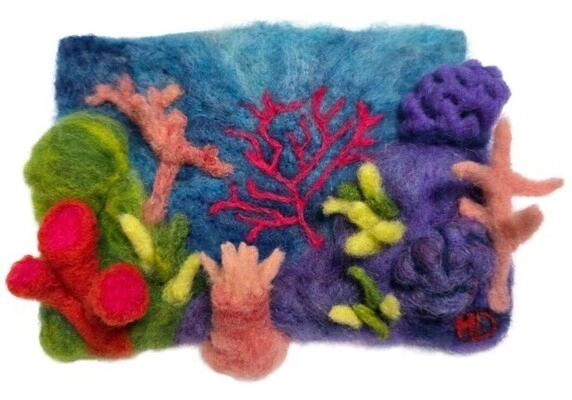
The goal? To combat coral bleaching and actively promote reef regeneration. We learned about the devastating impact of climate change and unsustainable practices on these delicate ecosystems. My involvement included helping to prepare coral fragments, meticulously cleaning and attaching them to the artificial structures. It was painstaking work but incredibly rewarding.
"Our reefs are the lifeblood of our community," explained Tahiry, a passionate Malagasy conservationist who ran the workshop. "They provide food, livelihoods, and protect our coastlines. Coral restoration is not just an environmental project; it's about securing our future."
Diving into Reality: Nosy Tanikely Marine Reserve
The highlight of my trip was undoubtedly snorkeling and diving in the Nosy Tanikely Marine Reserve. Touted as a pristine underwater sanctuary, I was eager to witness its famed biodiversity. While the reserve did offer glimpses of its former glory, the experience was tinged with a stark awareness of the challenges it faces.
I observed several species of coral. Staghorn coral (Acropora cervicornis), once a dominant reef builder, was sadly in a fragile state, with limited presence. The effects of coral bleaching were clearly visible. Brain coral (Diploria labyrinthiformis), on the other hand, appeared healthier in comparison, showcasing the resilience of certain species. I also spotted a vibrant array of fish, including Parrotfish, Butterflyfish, and playful Clownfish, each playing a crucial role in the reef ecosystem. Parrotfish, for example, are essential for controlling algae growth, while Butterflyfish help maintain coral health by feeding on parasites. Clownfish and anemones are also crucial and important symbionts.
However, the future of these species is increasingly threatened by climate change. Ocean acidification, rising sea temperatures, and pollution all contribute to the degradation of their habitat. The experience was a stark reminder of the urgent need for conservation efforts.
A Taste of Madagascar: Romazava and Koba Akondro
Beyond the underwater world, I immersed myself in the local culture, including the cuisine. A visit to a local market in Hell-Ville offered a sensory explosion. I tried Romazava, a traditional Malagasy beef and vegetable stew. Made with zebu beef, ginger, tomato, onion, and greens like brèdes mafana, it had a unique taste – a comforting warmth with a slight numbing effect from the brèdes mafana. The aroma was rich and inviting, a testament to the fresh, local ingredients. I also indulged in Koba Akondro, a peanut and banana cake wrapped in banana leaves and steamed. It was dense, sweet, with a subtle smoky flavor imparted by the banana leaves. The sustainability of sourcing local ingredients was evident; the market bustled with vendors selling produce directly from their farms.
The Vanilla Trail: A Sweet But Complex Story
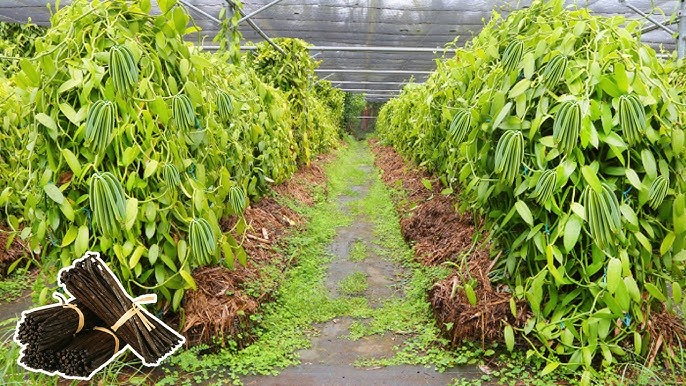
A visit to a local vanilla plantation offered a glimpse into another vital aspect of the local economy. I learned about the intricate process of vanilla cultivation, from hand-pollination to the long and arduous curing process. Vanilla is big business.
I spoke with Rivo, a local vanilla farmer, who shared his insights on the economic impact of vanilla production on the community. Vanilla production is the lifeblood of many families in the area. He also highlighted the challenges they face, including fluctuating market prices and fierce competition from synthetic vanilla. "The price of vanilla can change dramatically from one season to the next," Rivo explained. "When the price is good, we can earn a decent living. But when it's low, it's a struggle." He also explained that this is largely due to the global market.
A Landscape of Contrasts
Nosy Be is an island of striking contrasts. Lush, tropical rainforests cascade down to meet the azure waters of the Indian Ocean. The beauty is undeniable. However, this beauty masks underlying environmental challenges. The impact of deforestation on the coral reefs is a major concern. I witnessed firsthand the impact of deforestation. After a heavy rainfall, I observed muddy water flowing into the sea, carrying sediment that smothers coral and reduces water clarity, hindering their ability to photosynthesize.
A Paradise Worth Fighting For: Call to Action
My trip to Nosy Be was a powerful reminder that paradise is not a given; it requires constant effort and vigilance. Witnessing both the beauty and the environmental challenges left a profound impact. The vibrant marine life, the warmth of the Malagasy people, and the dedication of local conservationists inspired hope. However, the threats facing the coral reefs – climate change, deforestation, and unsustainable practices – are real and pressing.
We all have a role to play in protecting this fragile paradise. I urge you to support responsible tourism and conservation efforts in Madagascar. Choose eco-friendly accommodations, support local businesses, and be mindful of your impact on the environment. Consider donating to organizations like Madagascar Marine Conservation, who are working tirelessly to restore and protect Nosy Be's coral reefs. Your contribution, no matter how small, can make a difference.
Let's work together to ensure that Nosy Be remains a paradise found, not a paradise lost.
Video Concept Idea:
Reef Revival: The Community Saving Nosy Be's Coral
- Short video showcasing highlights from the coral restoration workshop.
- Time-lapse footage of coral growth on artificial reefs.
- Interviews with local conservationists and Idris actively participating in the workshop.
- Focus on the hopeful message of restoration and community involvement.