North Rim Campground: A Stargazer and Botanist's...
For Elena and me, Javier, a trip to the Grand Canyon's North Rim was more than just a vacation; it was an immersion into two worlds we deeply cherish: the intricate ecosystem of desert flora and the boundless expanse of the cosmos. Our five-day camping adventure at the North Rim Campground offered a unique blend of daytime discoveries and nighttime wonders, experiences we're excited to share with fellow nature and astronomy enthusiasts. Nestled at around 8,000 feet, the North Rim presents a different perspective of the Grand Canyon than its southern counterpart, offering cooler temperatures and a sense of serene isolation.
Finding Our Home Under the Stars
Finding the North Rim Campground was relatively straightforward, even without relying solely on GPS. Inputting the coordinates (36.1866° N, 112.1210° W) into my phone got us right to the entrance. Still, the well-marked park roads made it easy to navigate. One thing to note is the elevation, which definitely made us feel a little winded the first day. Take it easy when you first arrive to acclimatize and drink plenty of water!
The campground itself is well-maintained. Campground rules are clearly posted: quiet hours are strictly enforced, and campfire regulations are in place to protect the surrounding forest. It's all about respecting nature and ensuring everyone has a pleasant experience.
The bathrooms were surprisingly clean, especially considering how remote the area is. I was impressed to see they use composting toilets, a great example of the park's commitment to sustainability. There are no showers, though, so plan accordingly. Elena, ever the resourceful one, suggested dry shampoo, which worked wonders! The campground really emphasizes water conservation.
Nights Under the Darkest Skies
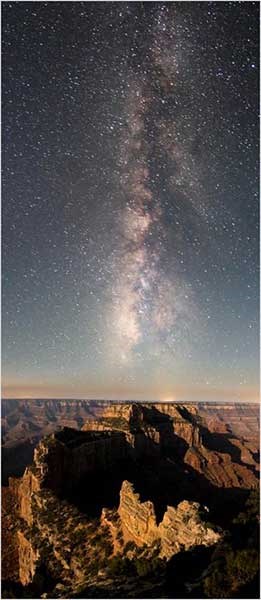
As an amateur astrophotographer, the North Rim's dark skies were the biggest draw for me. I spent my nights venturing to Cape Royal and Point Imperial, two locations offering unobstructed views of the celestial canvas.
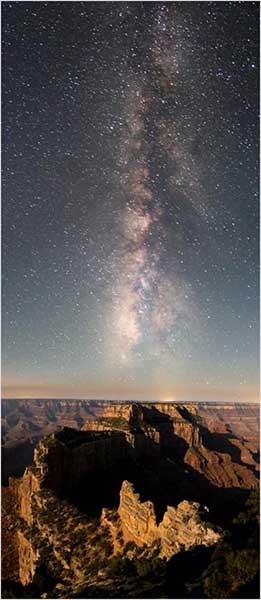
I brought my trusty Celestron NexStar 8SE telescope and a Sony a7S III camera, a combination that's proven reliable for capturing faint celestial objects. Exposure settings were a constant experiment, balancing light capture with minimizing noise. I found that longer exposures (around 30-60 seconds) at a high ISO (between 6400 and 12800) worked best, especially when using a star tracker. Light pollution is minimal here, but I still used techniques like dithering to further reduce its impact.
To navigate the constellations, I downloaded the SkyView Lite app on my phone. It was incredibly helpful in identifying constellations like Orion, the Big Dipper, and Cassiopeia. Being able to point my phone at the sky and instantly know what I was looking at added a whole new dimension to the experience. The North Rim truly is a Grand Canyon stargazing paradise.
Days Exploring Desert Flora and Fauna
While I was chasing stars, Elena was busy exploring the unique flora of the North Rim. One day, she attended a ranger-led talk on the endangered Kanab ambersnail.
She learned that these tiny snails are only found in a few isolated springs within the Grand Canyon and are incredibly sensitive to changes in their habitat. Conservation efforts are crucial to their survival, and it's inspiring to see the park service's dedication to protecting them. It’s amazing how this place is more than the big landscape, but the tiny inhabitants that make up the ecosystem too.
I also spent a day hiking the Transept Trail. The trail offers stunning photographic opportunities. Capturing the canyon's layered geology, the play of light and shadow, and the glimpse of the Colorado River in the distance was truly rewarding. It's a moderate hike, but the altitude definitely adds to the challenge. Remember to bring water and wear sturdy shoes!
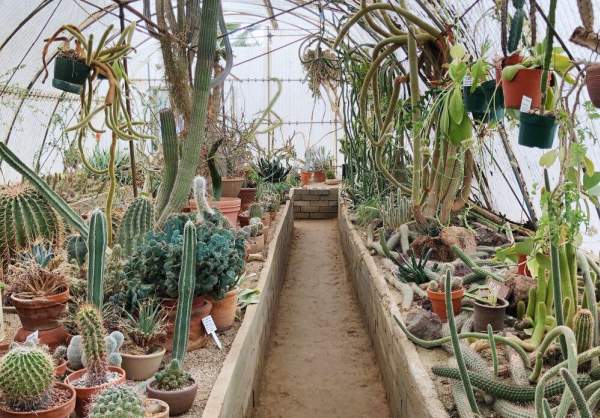
Along the trail, Elena identified several fascinating desert plant species, including Utah agave, prickly pear cactus, and cliffrose. She explained how each plant has adapted to survive in this arid environment. The Utah agave, with its towering stalk, was particularly impressive. If you're interested in botany, the North Rim is a treasure trove of unique species. If you are interested in Desert flora Grand Canyon North Rim, Elena highly recommends you do your research first before you visit.
A Close Encounter of the Squirrel Kind
One afternoon, we had a memorable encounter with a Kaibab squirrel at our campsite. This fluffy-tailed creature, unique to the Kaibab Plateau, seemed quite curious about our presence. It hopped around our picnic table, sniffing for any potential snacks. We quickly learned that these little guys are not shy!
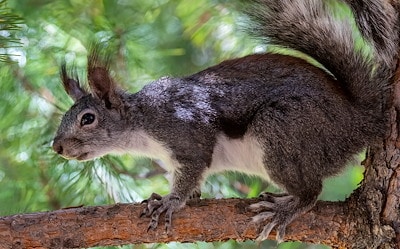
It's crucial to remember not feeding the wildlife and maintaining a safe distance. While it was tempting to offer the squirrel a treat, we knew it was important to protect both the animal and ourselves. We watched it for a few minutes, admiring its unique markings, before it scampered off into the trees. This endearing encounter underscored the importance of responsible wildlife viewing practices.
Final Verdict: A Must-Visit Destination
Overall, we wholeheartedly recommend the North Rim Campground as a fantastic destination for astronomy enthusiasts and nature lovers alike. The Grand Canyon stargazing opportunities are unparalleled, and the diverse flora and fauna offer endless opportunities for exploration and discovery.
However, it's important to be prepared for the altitude and cooler temperatures at night, even in summer. Layering clothing is essential, and drinking plenty of water is crucial for acclimatization. We advise checking the National Park Service website before your visit for any alerts or closures. The GPS coordinates (36.1866° N, 112.1210° W) make the campground easily accessible, but remember to respect the rules and regulations to protect this natural wonder.
Whether you're an experienced astrophotographer or a budding botanist, the North Rim Campground offers an unforgettable experience. We can't wait to return and explore even more of this incredible landscape. Plan your North Rim camping adventure today! Don't forget to book your reservations well in advance as the North Rim season is shorter than the South Rim. The North Rim is normally only open from mid-May to mid-October.
If you are a beginner looking to camp at Grand Canyon's North Rim, then we recommend you use a trusted resource for getting to know how to make reservations. We highly recommend you learn about making reservations through the National Park Service website National Park Service Website.