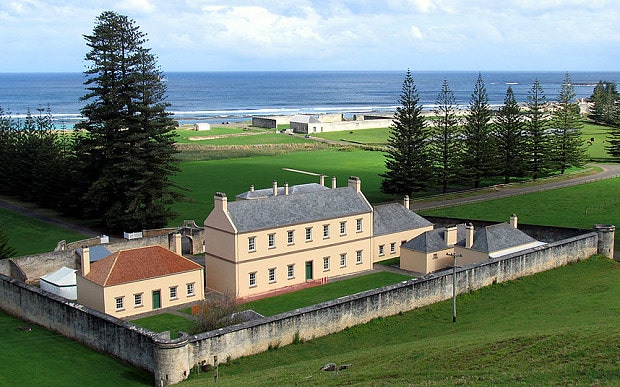
Norfolk Island: A Journey Through Time, Family...
Norfolk Island. The name alone conjures images of swaying pines, turquoise waters, and a rich, often turbulent, history. But for me, Norfolk Island was more than just a destination; it was a pilgrimage – a journey to connect with my ancestral past, a past irrevocably intertwined with the infamous mutiny on the HMS Bounty. As an amateur genealogist, I had painstakingly traced my family roots back to John Adams (Alexander Smith), one of the last surviving mutineers who found refuge on Pitcairn Island, and whose descendants eventually settled on Norfolk Island. Walking in his footsteps, and those of his family, was an emotional and profound experience that forever changed my understanding of history and my place within it.
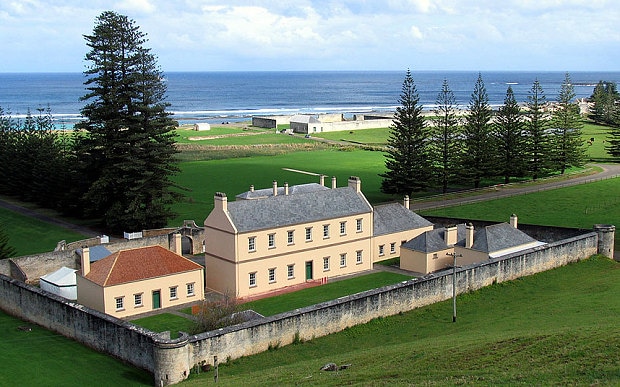
A dramatic view of the Norfolk Island coastline, showcasing the iconic Norfolk pines and the vast expanse of the ocean. The image captures the raw beauty and isolation of the island.
The Allure of the Bounty and a Personal Connection
The story of the Bounty is a well-worn one, a tale of tyranny, rebellion, and survival against all odds. The details are etched in popular culture: Captain Bligh's harsh command, Fletcher Christian's desperate act of mutiny, and the subsequent search for a safe haven. But what often gets lost in the broader narrative are the individual stories of the mutineers themselves – men grappling with complex moral dilemmas and forced to forge a new life in the face of unimaginable circumstances.
My connection to John Adams, while distant, gave these stories a personal resonance. I found myself poring over historical records, ship manifests, and genealogical databases, piecing together the fragments of his life and the lives of his descendants. It was this fascination that ultimately led me to Norfolk Island, a place where the echoes of the Bounty still reverberate through the generations.
Kingston and Arthur's Vale Historic Area (KAVHA): A UNESCO World Heritage Site
No visit to Norfolk Island is complete without exploring the Kingston and Arthur's Vale Historic Area (KAVHA), a UNESCO World Heritage Site that stands as a testament to the island's multifaceted history. Before my visit, I ensured I had the necessary permits to fully explore the area. These can be obtained from the Norfolk Island National Parks & Wildlife Service. KAVHA is not just a collection of old buildings; it's a living museum, a palpable reminder of the island's past as a penal colony, a Polynesian settlement, and, of course, the final home of the Bounty descendants before their return to Pitcairn.
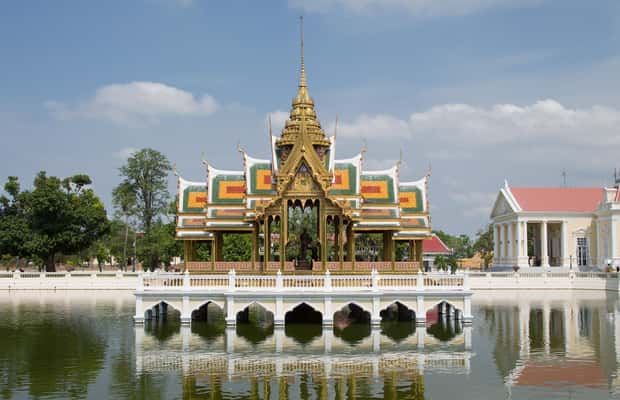
A well-preserved stone building in KAVHA. This image highlights the architectural style and historical significance of the structures within the UNESCO World Heritage Site.
I spent days wandering through KAVHA, camera in hand, trying to capture the essence of this historically charged landscape. The Salt House, the Pier Store, and the Commissariat Store, each building whispered stories of hardship, resilience, and the enduring human spirit. I could almost picture the convicts toiling under the harsh sun, the bustling activity of the pier as ships arrived with supplies, and the officials meticulously recording every transaction in the Commissariat Store.
Delving Deeper: A Tale from the Bounty's Journey
Before the infamous mutiny, the Bounty's mission was to collect breadfruit plants from Tahiti and transport them to the West Indies to provide a cheap food source for slaves. One poignant, less-discussed, incident occurred during the Bounty's stay in Tahiti. The crew became deeply enamored with the Tahitian culture, lifestyle, and the island's women. Several sailors, including some who would later become mutineers, even requested to be discharged so they could remain on the island. Captain Bligh, of course, denied these requests, further fueling the growing resentment and discontent that would eventually erupt into mutiny. This story highlights the cultural clash and the human element that contributed to the unfolding drama, making the mutiny more than just a simple act of rebellion. The pull to stay in Tahiti underscores the human cost involved.
The Norfolk Island Museum: Unraveling the Past
To further enrich my understanding of the island's history, I visited the Norfolk Island Museum. The museum houses an impressive collection of artifacts, documents, and photographs that chronicle the island's past, from its Polynesian origins to its present-day identity. I spent hours poring over the exhibits, meticulously examining every detail and absorbing the wealth of information on display. The museum provided invaluable context and helped me to connect the dots between historical events and the lives of my ancestors.
Foundation Day Celebrations: A Cultural Immersion
My trip coincided with the Foundation Day celebrations (March 6th), an event commemorating the arrival of the Pitcairn Islanders on Norfolk Island in 1856. Attending the celebrations was an incredible opportunity to immerse myself in the island's unique culture and traditions. The festivities included traditional music and dancing, historical reenactments, and a vibrant display of local crafts and cuisine.
The highlight for me was the reenactment of the landing of the Pitcairn Islanders. Watching the performers recreate this pivotal moment in the island's history was a deeply moving experience, bringing to life the stories I had read in books and seen in documentaries. I had the chance to speak with some of the local descendants, hearing firsthand accounts of their ancestors' struggles and triumphs. The atmosphere was one of joy, pride, and a deep connection to the past. I recorded several videos to remember the experience.
Discovering the Norfolk Language
One of the most rewarding experiences on Norfolk Island was participating in a language workshop where I learned some basic phrases in the Norfolk language, also known as Norf'k or Norfuk. This unique language, a blend of 18th-century English and Tahitian, is a living testament to the island's unique cultural heritage.
Learning even a few phrases in Norf'k was a powerful way to connect with the local community and to gain a deeper appreciation for their cultural identity. The instructor, a passionate advocate for language preservation, emphasized the importance of keeping the language alive for future generations. The cultural significance of language preservation on the island is substantial, and the community's dedication to revitalizing it is inspiring.
Encountering the Endemic Norfolk Island Green Parrot
Beyond its rich history and cultural heritage, Norfolk Island boasts a stunning natural environment. As a keen birdwatcher, I was particularly eager to see the endemic Norfolk Island Green Parrot. I joined a birdwatching tour led by a knowledgeable local guide named Alain. Alain took us to several prime viewing locations within Mount Pitt National Park, where we were fortunate enough to spot several of these beautiful birds.
Alain shared fascinating insights into the parrot's ecology and conservation status, highlighting the challenges it faces due to habitat loss and introduced species. Seeing these vibrant birds in their natural habitat was a truly unforgettable experience, and it reinforced the importance of responsible tourism and conservation efforts.
The Dramatic Cliffs and Lush Rainforests
The landscape of Norfolk Island is breathtakingly diverse, ranging from dramatic cliffs along the northern coast to the lush rainforest of Mount Pitt National Park. The view from Captain Cook Lookout is simply stunning, offering panoramic vistas of the coastline, with the waves crashing against the jagged rocks below. The scent of the sea air and the cries of the seabirds filled the air, creating an atmosphere of wild, untamed beauty.
The dramatic Norfolk Island coast from an overlook. The image captures the rugged terrain and the powerful ocean waves.
A hike through Mount Pitt National Park was an equally rewarding experience. The rainforest is teeming with unique flora and fauna, including towering tree ferns, ancient pines, and a variety of bird species. Reaching the summit of Mount Pitt, I was rewarded with panoramic views of the entire island, stretching out to the horizon in all directions.
Emily Bay: A Golden Paradise
No trip to Norfolk Island is complete without spending time at Emily Bay, a sheltered lagoon renowned for its crystal-clear waters and pristine white sand. The light at sunset is particularly magical, casting a golden glow on the water and silhouetting the Norfolk pines against the sky. Using a polarizing filter on my DSLR (with a 24-70mm lens) helped to reduce glare and enhance the colors, allowing me to capture the scene's true beauty. I even used a tripod for some long-exposure shots to capture the smoothness of the water. The air had a soft, almost luminous quality, adding to the sense of tranquility.
A Taste of Norfolk: Authentic Cuisine
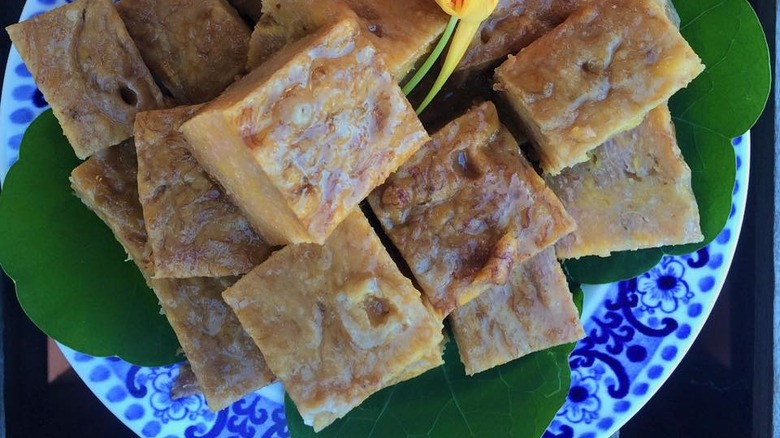
Food is an integral part of any travel experience, and Norfolk Island did not disappoint. I was particularly eager to try Pilhi, a traditional banana dessert cooked in an underground oven. The Pilhi I sampled was sweet, slightly smoky, and incredibly satisfying, a true taste of the island's culinary heritage. The texture was soft and almost custard-like, and the flavor was a delightful combination of banana, coconut milk, and a hint of earthiness from the cooking process.
I also visited Hilli Restaurant & Bar, known for its fresh seafood and stunning ocean views. I tried the grilled Trumpeter fish, a local delicacy, and it was cooked to perfection. The fish was succulent, flaky, and bursting with flavor. I interviewed the chef, who explained that the ingredients are sourced locally whenever possible, ensuring the freshest and most authentic taste. The seafood platter at Dino's at Bumboras is also a must-try. Expect to pay around $30-$40 AUD for a main course at these restaurants.
Local produce markets offer a vibrant array of fresh fruits, vegetables, and other local delicacies. Be sure to sample some of the local beverages, such as Norfolk Island coffee and homemade lemonade.
Practical Information for Your Journey
Best Time to Visit: The best time to visit Norfolk Island depends on your interests. For the Norfolk Island Country Music Festival, plan your trip for May. For Foundation Day celebrations, March is the ideal time.
Entry Requirements and Permits: Australian and New Zealand citizens do not require a passport to enter Norfolk Island, but photo identification is required. Ensure you obtain the necessary permits to explore KAVHA from the Norfolk Island National Parks & Wildlife Service.
Accommodation: There are a variety of accommodation options on Norfolk Island, ranging from hotels and guesthouses to self-catering apartments and holiday homes. Some popular choices include the Governor's Lodge Resort Hotel and Tintoela Holiday Apartments.
Car Rental: Renting a car is highly recommended for exploring the island at your own pace. Several car rental companies operate on the island, including Avis and Hertz.
Engaging Respectfully with the Community:
Norfolk Islanders are known for their warm hospitality. Showing respect for their culture and traditions is essential. It is important to dress modestly when visiting churches or attending community events. A simple "Good morning" or "Good afternoon" is a pleasant greeting. Loud and disrespectful behaviour will not be tolerated.
- Appropriate Clothing: When visiting historical sites or attending cultural events, dress modestly out of respect for local traditions.
- Greeting Locals: A simple "Good morning" or "Good afternoon" (or "Watawieh" in Norf'k) goes a long way in showing respect.
- Respecting Privacy: Be mindful when taking photos, especially of individuals. Always ask for permission first.
- Supporting Local Businesses: Choose locally owned restaurants, shops, and tour operators to support the local economy.
- Preserving the Environment: Be mindful of your impact on the environment. Dispose of waste properly and avoid disturbing wildlife.
- Avoiding sensitive Topics: refrain from talking about topics such as politics, religion, or personal matters unless a strong relationship is established.
- Participating in Community Events: Engage with the local culture by attending events and festivals.
- Being Punctual: arriving on time for scheduled activities and appointments shows respect for others’ time.
- Mindful Language: Avoid offensive or disrespectful language and learn a few basic phrases in Norf’k.
Conclusion: A Timeless Connection
My journey to Norfolk Island was more than just a vacation; it was a deeply personal and transformative experience. Walking in the footsteps of my ancestors, exploring the island's rich history, and immersing myself in its vibrant culture, I gained a newfound appreciation for the resilience, adaptability, and enduring spirit of the Bounty descendants. Norfolk Island is a place where the past comes alive, where the echoes of history resonate in every corner, and where the spirit of community thrives. It's a destination that will stay with me long after I've returned home, a timeless connection to my family history and a reminder of the enduring power of the human spirit.
Keywords: Norfolk Island Bounty Ancestry Tour, Norfolk Island Genealogy Holiday Package, Bounty Mutineer History Travel Norfolk Island, Norfolk Island Heritage Travel, Norfolk Island family history research, Norfolk Island Bounty descendant tours, KAVHA Bounty history experience, Norfolk Island genealogy travel guide, Tracing Bounty family on Norfolk Island, Norfolk Island Foundation Day travel package.