
Niue: Oceania's Ultimate Dark Sky Destination fo...
Forget crowded beaches and overdeveloped resorts. If you're an eco-conscious traveler with a thirst for adventure, Niue, the "Rock of Polynesia," is calling your name. Getting here is surprisingly easy – a direct flight from Auckland whisks you away to this unspoiled paradise. Beyond its stunning limestone cliffs and vibrant coral reefs, Niue offers a unique experience: unparalleled access to the cosmos. Prepare to be amazed by a place where the stars shine brighter, whales sing louder, and the local culture welcomes you with open arms. Let's dive into my recent Niuean adventure.

Image Alt Text: A breathtaking view of the Milky Way over Niue's coastline, showcasing the island's pristine dark skies.
Unveiling the Night Sky: A Photography Workshop
Niue's designation as a Dark Sky Sanctuary is no exaggeration. The incredibly low light pollution transforms the night into an astronomer's dream. I jumped at the opportunity to attend a night sky photography workshop, eager to capture the celestial beauty.
For beginners venturing into astrophotography, I highly recommend bringing a DSLR or mirrorless camera with a wide-angle lens (something around 14-24mm is ideal). A sturdy tripod is non-negotiable, and a remote shutter release will prevent camera shake during those crucial long exposures.
The workshop was a revelation. We learned the art of long exposure photography, crucial for capturing faint starlight. Experimenting with settings like aperture (f/2.8 or lower for maximum light), ISO (start at 3200 and adjust), and shutter speed (20-30 seconds is a good starting point) allowed us to pull detail from the darkness. Focus stacking, combining multiple images with different focus points, helped achieve sharpness across the entire frame. Composition tips, like using foreground elements (trees, rocks, the ocean) to create depth and interest, truly elevated our images. The Milky Way arced majestically overhead, its brilliance amplified by the complete absence of artificial light. It was an experience I won't soon forget, and I highly recommend booking a Night Sky Photography Workshops Niue tour.
Exploring the Depths of Avaiki Cave
The next day, adventure called beneath the surface of Niue. I joined a guided tour of Avaiki Cave, a place steeped in geological wonder and Polynesian legend. This is where the first settlers from Samoa are believed to have landed, making it a site of immense cultural significance.
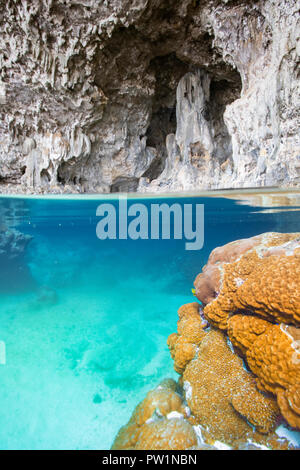
Image Alt Text: Inside Avaiki Cave, the entrance light reflects on the crystal-clear water, illuminating stalactites and stalagmites.
Navigating the cave system was an ethereal experience. Stalactites dripped from the ceiling like frozen waterfalls, meeting their stalagmite counterparts rising from the ground. Underwater pools shimmered with an otherworldly glow, reflecting the light filtering in from the entrance. Our guide shared captivating stories about the cave's history and the legends associated with it. The water was incredibly clear.
Safety is paramount when exploring Avaiki Cave. Our guide provided essential safety briefings and ensured we stayed within designated areas. A permit from the local tourism office is required to visit Avaiki Cave, and it’s highly recommended to go with a knowledgeable local guide, ensuring both your safety and respect for this sacred site. Exploring Avaiki Cave Niue History and Tours offer a glimpse into the past.
A Gentle Encounter: Swimming with Humpback Whales
From July to October, Niue becomes a haven for migrating humpback whales. The opportunity to swim alongside these gentle giants was the highlight of my trip. However, it's crucial to emphasize the importance of ethical whale swimming Niue practices.
I chose Niue Dive for my excursion, a tour operator renowned for its commitment to whale safety and conservation. Explore Niue is another highly reputable option. Both companies strictly adhere to guidelines designed to minimize disturbance to the whales.
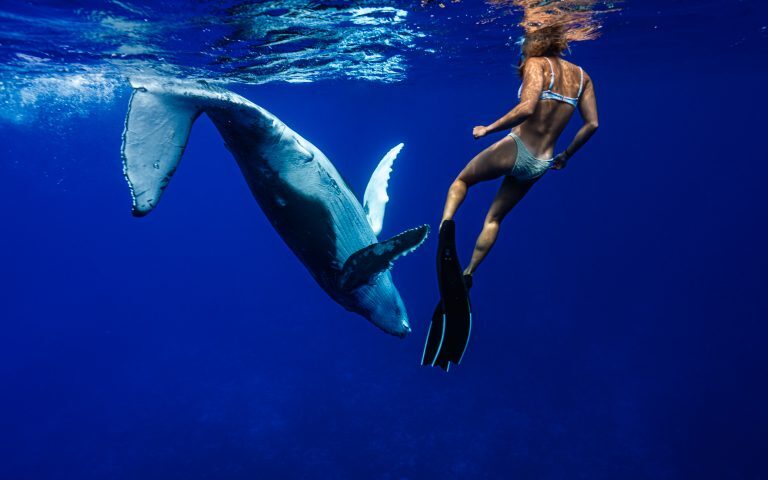
Image Alt Text: A majestic humpback whale gracefully swims in the turquoise waters off Niue, captured from a responsible distance.
Before entering the water, we received a thorough briefing on whale behavior and the rules of engagement. Maintaining a safe distance was paramount, avoiding any sudden movements or loud noises. Flash photography was strictly prohibited. Our guide emphasized the importance of observing the whales' behavior and exiting the water immediately if they showed any signs of distress.
The experience itself was breathtaking. Seeing these massive creatures up close, hearing their haunting songs, and witnessing their graceful movements was truly humbling. Swimming with Humpback Whales Niue is an experience of a lifetime. This powerful experience reinforced my commitment to responsible tourism. Remember, respecting their natural behavior is paramount to ensuring their well-being and the sustainability of whale watching tourism in Niue.
Feasting on Tradition: The Umu
No trip to Niue is complete without experiencing a traditional Umu feast Niue Traditional Cooking. The Umu is an earth oven, a time-honored cooking method used throughout Polynesia. The preparation is a labor of love, involving heating volcanic rocks in a fire, then layering them with banana leaves and the ingredients to be cooked.
Taro, a staple crop, coconut cream, and fresh reef fish formed the heart of our feast. The smoky flavor imparted by the Umu elevated the simple ingredients to new heights. I even had the opportunity to try "uga" (coconut crab), a local delicacy.
It’s important to acknowledge the potential impact of coconut crab consumption on the species' population. Sustainable consumption and supporting local communities that prioritize conservation are crucial. Ask about the source of the uga and choose restaurants committed to responsible harvesting practices.
Participating in the Umu feast wasn't just about the food; it was about cultural exchange. We learned about the significance of sharing the meal, the etiquette involved (always accept food with both hands as a sign of respect), and the importance of community in Niuean culture. Learning about Niue's Culture during the feast enhanced the overall experience.
The Unique Landscape: Limestone Cliffs and Coral Reefs
Niue's dramatic landscape is a geological marvel. The island is essentially a raised coral atoll, formed over millions of years. The towering Niue Limestone Cliffs Exploration that ring the island are a testament to the power of geological forces.
These cliffs aren't just visually stunning; they're also ecologically important. They provide habitat for seabirds and other wildlife. Below the cliffs, vibrant coral reef ecosystems teem with life. I encountered countless species of reef fish, from brightly colored parrotfish to elusive moray eels.
Ongoing conservation efforts are vital to protecting Niue's unique ecosystems. The island is committed to sustainable tourism practices, including marine protected areas and initiatives to reduce plastic waste. The Niue Island Conservation Efforts ensure the natural beauty remains for generations.
Niue Travel Guide: Final Thoughts
Niue is a destination unlike any other. It's a place where you can disconnect from the stresses of modern life and reconnect with nature and yourself. Far from the overdeveloped tourist traps, Niue offers authentic experiences, genuine hospitality, and a chance to make a positive impact through responsible travel. Whether you're captivated by the cosmos, drawn to underwater adventures, or eager to immerse yourself in Polynesian culture, Niue promises an unforgettable journey. Plan your Niue Eco-Adventure Travel today.